


Brazil’s 2023 Economic Growth: Bolsonaro’s Legacy or Lula’s Luck?
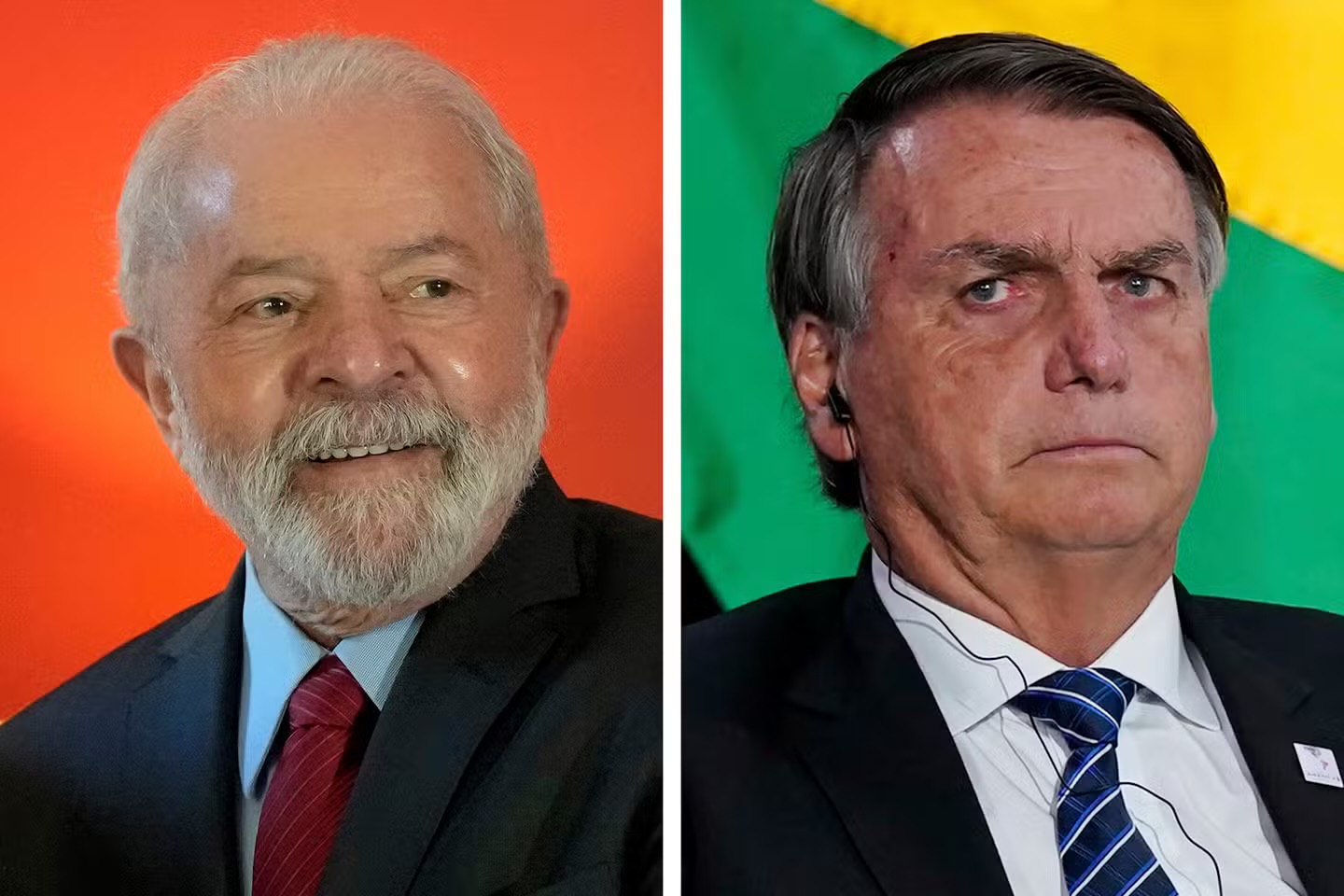
Mar 29, 2025- Hotspotorlando News. When Luiz Inácio Lula da Silva reclaimed Brazil’s presidency on January 1, 2023, he inherited an economy that had just posted a robust 2.9% GDP growth in 2022—a figure that, remarkably, held steady through his first year in office. For a country often battered by boom-and-bust cycles, this continuity was striking. But as Lula’s administration touts economic stability as a win, a lingering question looms: was 2023’s success his doing, or was he simply riding the coattails of Jair Bolsonaro’s prior term? A closer look at the numbers, policies, and context suggests the latter holds more weight.
The Bolsonaro Baseline: A Running Start
Bolsonaro’s presidency, ending December 31, 2022, leaned hard into deregulation, agribusiness, and export-driven growth. In 2022, Brazil’s economy hummed along, fueled by a commodities bonanza—soybeans, beef, and iron ore flew off the shelves, with exports hitting a record $334 billion. Agriculture alone accounted for 24% of GDP, a testament to policies like tax breaks for farmers and infrastructure privatization (think highways and ports auctioned off for $11 billion in 2021). Pension reform from 2019 had steadied fiscal nerves, and a post-COVID labor market recovery saw unemployment dip to 7.9% by late 2022, with 2 million jobs created that year.
This momentum didn’t vanish overnight. In Q1 2023, GDP jumped 1.9% over the prior quarter, with agriculture soaring 21% thanks to a soybean harvest planned and planted under Bolsonaro’s watch. Global demand, particularly from China, kept commodity prices buoyant—soybeans averaged $14 per bushel—and private investment, sparked by earlier concessions, flowed steadily. The OECD had already forecast 3.1% growth for 2023 before Lula’s inauguration, and the IMF pegged it at 1.5%. The actual 2.9% landed squarely in that ballpark, hinting at a trajectory set before Lula unpacked his bags.
Lula’s First Year: Steady Hand, Light Touch
Lula’s early agenda focused on restoring his hallmark social programs and signaling a shift from Bolsonaro’s polarizing style. Bolsa Família got a $27 billion infusion, reaching 21 million families, while initiatives like Mais Médicos and Farmácia Popular aimed to rebuild healthcare access. These moves, rolled out by mid-2023, were redistributive—cash transfers and medicine don’t grow GDP overnight. His first budget, passed in April, prioritized spending over structural reform, and a new fiscal framework replaced Bolsonaro’s spending cap with little immediate economic jolt.
Big-ticket items like tax reform—a VAT overhaul decades in the making—only cleared Congress in December 2023, too late to drive that year’s numbers. Monetary policy, controlled by an independent Central Bank, stayed tight at 13.75% until cuts began in August, dropping to 12.25% by year-end as inflation eased from 5.8% to 4.6%. Lula griped about high rates, but he couldn’t touch them. Job creation continued—1.3 million formal jobs in 2023—but it mirrored 2022’s trend, tied more to post-COVID recovery than fresh policy.
What Moved the Needle?
So why did 2023 match 2022’s 2.9%? Commodities held firm, exports rolled on, and consumer spending—possibly nudged by Bolsa Família cash—didn’t crater (retail sales rose 1.8%). But these feel like echoes of 2022’s playbook, not a new chapter. The bumper harvest wasn’t Lula’s seed; the export boom wasn’t his deal. Even his stability—avoiding a post-election spiral after the January 8 Brasilia riots—kept markets calm but didn’t rewrite the script. Social media chatter on platforms like X often credits Bolsonaro for “leaving a full plate,” casting Lula as a caretaker riding inherited momentum.Could Lula claim any credit? His minimum wage hikes and labor-friendly tone didn’t tank employment, and his early restraint—eschewing radical shifts—avoided spooking investors. But these are marginal gains, not growth engines. Environmental wins, like slashing Amazon deforestation, and global pledges (e.g., $1.3 billion for the Amazon Fund) were symbolic, not economic, in 2023’s frame.
The Verdict: Legacy Over Luck
The data tilts heavily toward Bolsonaro’s legacy powering 2023. Brazil’s $1.9 trillion economy doesn’t turn on a dime—policy lags mean last year’s planting yields this year’s harvest, and yesterday’s reforms shape today’s confidence. Lula’s first year was more about not fumbling the handoff than scoring a touchdown. His concrete wins—tax reform, social spending—needed time to ripen, and 2023’s fruit grew from seeds sown before he arrived.
That’s not to say Lula’s tenure lacks promise. Growth estimates for 2024 (3.2–3.5%) suggest his policies might start bearing weight, though global factors like commodity prices still loom large. For now, 2023 stands as a testament to inertia—a solid year, yes, but one where the past did the heavy lifting. Whether Lula can claim the harvest in years ahead remains the real test.