


Analysis: Trump’s new Iran economic pressure and its implications for Brazil
By Hotspotnews
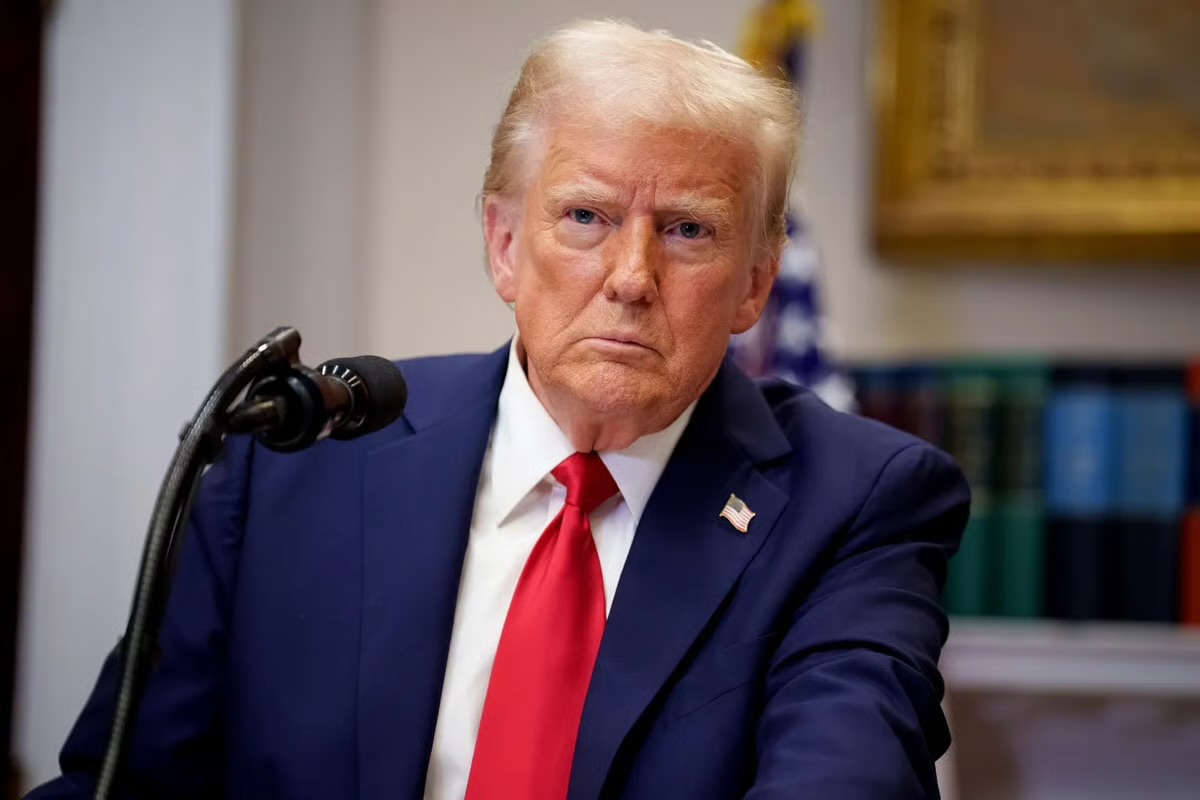
In mid-to-late August 2026, President Donald Trump announced what he described as the “most crushing economic operation ever taken against any country” directed at Iran, framing it as an “Economic D-Day.” The core of the policy is intensified isolation of the Iranian regime through maximum economic pressure, including the toughest sanctions in history (details expected from the U.S. Treasury). Critically, Trump warned that any country allowing its financial institutions, businesses, airports, or government entities to provide Iran an economic “lifeline” would itself face “tremendous economic consequences.” Treasury Secretary Scott Bessent reinforced the possibility of secondary sanctions and measures targeting those who continue commercial or financial support for Tehran.
This builds on existing U.S. efforts to constrain Iranian oil revenues, shipping, and financing amid ongoing regional conflict. Secondary pressure is not new in U.S. sanctions architecture, but the explicit breadth of the language raises the stakes for third countries.
Brazil’s exposure
Brazil maintains a sizable and profitable trade relationship with Iran concentrated in agriculture. In 2025, Brazilian exports to Iran reached approximately US$2.9 billion, generating a surplus of around US$2.8 billion. Corn alone accounted for the bulk (roughly US$2 billion and a major share of Brazil’s total corn shipments), followed by soybeans, soybean meal, and sugar. Trade remained robust into 2026, with first-half or year-to-date figures showing continued growth in the range of US$1.3–1.6 billion. Iran has ranked as a top destination for Brazilian corn in recent years.
While this volume is modest relative to Brazil’s overall exports (under 1 percent of the total), it is meaningful for specific producers, exporters, and logistics chains in the Center-West and other agribusiness regions. The relationship is almost entirely one-way in Brazil’s favor and involves relatively few non-agricultural goods.
Brazil already faces separate U.S. tariffs of 25 percent on a range of products (imposed in July 2026 under a Section 301 investigation into alleged unfair trade practices), plus additional measures. The U.S. remains a far larger and more strategic market for Brazilian goods than Iran. Any escalation involving secondary measures tied to Iran trade would compound existing bilateral frictions.
About the “military equipment”
The tariffs on agricultural exports are the lesser problem. The more serious risk is disruption to Brazil’s military capabilities.
Brazil’s Armed Forces depend heavily on Western technology and supply chains:
• Gripen E fighter jets (Saab/Sweden)
• French-designed submarines (Riachuelo class)
• German frigates (ThyssenKrupp)
• Various systems, electronics, training, and parts from European and Israeli suppliers
• Embraer KC-390 (which uses significant foreign components)
If the U.S. applies broad secondary sanctions linked to Iran ties, access to spare parts, software updates, maintenance, training courses, and future purchases could be restricted.
Possible consequences for Brazil
A conservative assessment prioritizes measurable economic and strategic risks over speculative or ideological framing:
- Trade and agribusiness impact: The most direct risk is pressure on Brazilian banks, trading houses, shipping, and exporters to reduce or halt dealings with Iranian counterparties to avoid secondary exposure. This could force diversion of corn, soy, and meal volumes to other markets, potentially at lower prices or higher logistics costs. Producers in key export corridors would feel the squeeze first. Self-sanctioning by risk-averse financial institutions often precedes formal U.S. designations and can occur rapidly.
- Financial and compliance costs: Brazilian entities with any U.S. dollar exposure, correspondent banking relationships, or U.S. market presence face heightened compliance burdens. Secondary sanctions historically raise the cost of doing business even for non-targeted parties through de-risking.
- Limited but real strategic spillovers: Brazil’s military and high-tech sectors rely heavily on Western (including European and U.S.-aligned) suppliers for aircraft, ships, electronics, training, and spare parts. Broad secondary pressure linked to Iran associations could complicate access, maintenance, or future acquisitions, though this remains a secondary rather than immediate effect. Past reporting on private contacts involving Iranian entities and mentions of Brazilian officials has already drawn domestic scrutiny and parliamentary requests for information.
- Macro and political effects: Loss or disruption of the Iran market would be absorbable at the national level but politically sensitive for the agribusiness lobby and regional economies. It would add to existing tariff-related pressures with the United States. Brazil’s participation in BRICS, which includes Iran, creates an inherent tension with U.S. maximum-pressure objectives. Continued deepening of economic or political ties with Tehran risks elevating Brazil’s profile as a secondary target, while abrupt disengagement carries short-term commercial costs.
- Upside or mitigation paths: Pragmatic reduction of exposure, clearer compliance protocols, and negotiation for carve-outs or time-bound transitions are realistic options. The U.S. market’s scale and the existing bilateral tariff talks provide leverage for Brazil to seek relief on other fronts in exchange for demonstrating restraint on Iran. Diversification of agricultural destinations remains a long-term national interest regardless of this episode.
Overall, the policy introduces tangible downside risk to a profitable but secondary export channel. From a national-interest perspective, preserving access to the much larger U.S. market and reliable Western technology partnerships outweighs the benefits of unrestricted trade with a heavily sanctioned regime. Abrupt secondary measures would hurt Brazilian exporters more than they would decisively alter Iranian behavior; gradual, negotiated adjustment is preferable to confrontation or denial of the exposure.
Was this why Lula called Trump?
No. President Lula initiated the roughly 80-minute phone call with President Trump on August 21, 2026 (requested days earlier). According to official Brazilian government statements, the primary focus was the existing U.S. tariffs on Brazilian goods, which Lula described as based on “unfounded” allegations. The two sides discussed the need to preserve strong commercial ties and agreed that technical teams should meet soon. Other topics included cooperation against organized crime (with Brazil rejecting the U.S. terrorism designation for certain domestic groups) and broader global conflicts.
The Iran situation was addressed in the context of international crises: Trump shared views on prospects for resolving the conflict with Iran, while Lula criticized the ineffectiveness of the UN Security Council and proposed an extraordinary meeting. The call was not driven by the new secondary-sanctions threat announced days earlier, though the timing overlaps and the Middle East conflict formed part of the global agenda. Official readouts emphasize the bilateral tariff dispute and the desire to keep channels open ahead of Brazil’s October elections.
Sources for this analysis include official Brazilian presidential (Planalto) statements, Reuters reporting on the Trump announcement and trade data, U.S. Treasury comments relayed through major outlets, Brazilian Ministry of Development trade statistics, VEJA coverage of export values, and contemporaneous accounts of the Lula-Trump call from Brazilian and international wire services.
#Trump #IranSanctions #Brazil #Lula #USBrazil #Agronegócio #SecondarySanctions #TradePolicy #ForeignPolicy #NationalInterest