


Banco Master Liquidation: Recovering Assets and Restoring Accountability
By Hotspotnews
The collapse and subsequent liquidation of Banco Master represent a costly failure of financial discipline and oversight. Ordered by Brazil’s Central Bank in late 2025, the process has rightly extended across borders through U.S. and Bahamian court recognition. Authorities continue searching for assets that may have been moved or concealed. A conservative view of this episode prioritizes rule of law, protection of ordinary depositors and taxpayers, and firm consequences for those who treat other people’s money as personal capital.
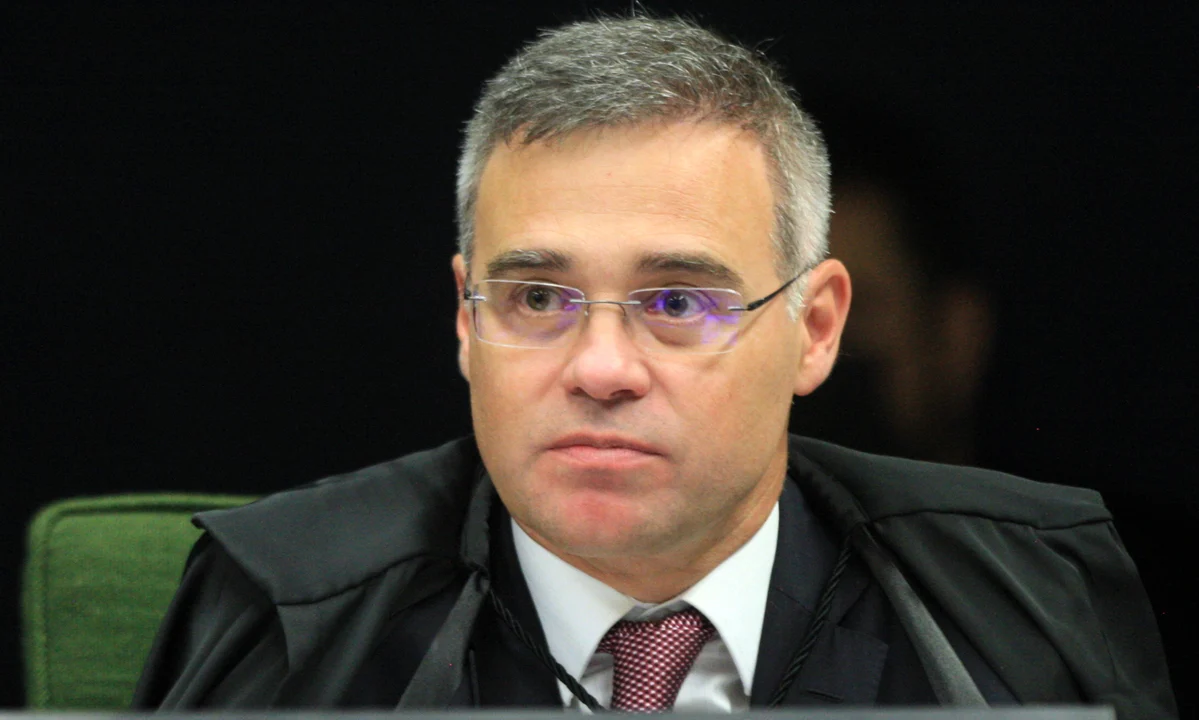
The liquidator, backed by Brazilian proceedings and foreign court orders freezing U.S. holdings, is actively tracing real estate, aircraft, art, and offshore structures linked to former controller Daniel Vorcaro and associates. Federal Police efforts have been reinforced by a decision from Supreme Court Minister André Mendonça authorizing international cooperation to track assets abroad. This authorization expands the practical reach of the investigation into specific high-value items and related holdings. These tools exist for a clear purpose: to maximize recovery for the estate rather than leave losses socialized through the Credit Guarantee Fund or absorbed by larger institutions. Additional finds remain possible precisely because complex financial arrangements often leave trails—transactions, titles, and intermediaries that patient investigation can follow. Success depends on consistent enforcement, not political convenience.
The consequences of incomplete recovery are straightforward and unfair. The guarantee fund has already paid out tens of billions of reais to cover eligible claims, drawing on resources ultimately supported by the broader banking system and, indirectly, the public. Amounts beyond the guarantee limit will be recovered only to the extent real assets can be located and sold. Every real recovered reduces the residual burden on solvent institutions and depositors who played by the rules. Soft treatment of diverted wealth would reward opacity and punish prudence.
This case also exposes weaknesses that conservatives have long warned against: concentrated risk, opaque credit portfolios, and insufficient early intervention when liquidity problems become visible. Large-scale failures of this kind erode confidence in the system and invite pressure for ever-larger safety nets. Strong resolution tools, credible cross-border cooperation, and genuine personal accountability are preferable to repeated rescues that shield decision-makers from the results of their choices. Property rights and contractual obligations mean little if significant sums can be moved offshore or into luxury holdings with limited consequence.
Vorcaro’s ongoing detention and the civil claims against related parties test whether institutions will apply the law evenly. The liquidation itself is an administrative process aimed at orderly wind-down, yet its practical results will signal whether Brazil prioritizes recovery for creditors or tolerates the dissipation of value. Rigorous pursuit of remaining assets, supported by judicial authorizations such as Mendonça’s, serves the public interest by affirming that financial institutions operate under rules, not privileges.
Further discoveries would strengthen that principle. They would demonstrate that international legal mechanisms and domestic authority can work together to reclaim value rather than allow it to disappear into complex structures. The alternative—limited recovery and lingering losses—would confirm that the costs of mismanagement and alleged misconduct too often fall on those least responsible. Sound policy demands the opposite: enforce the rules, recover what can be recovered, and reduce the incentives for the next costly failure.