

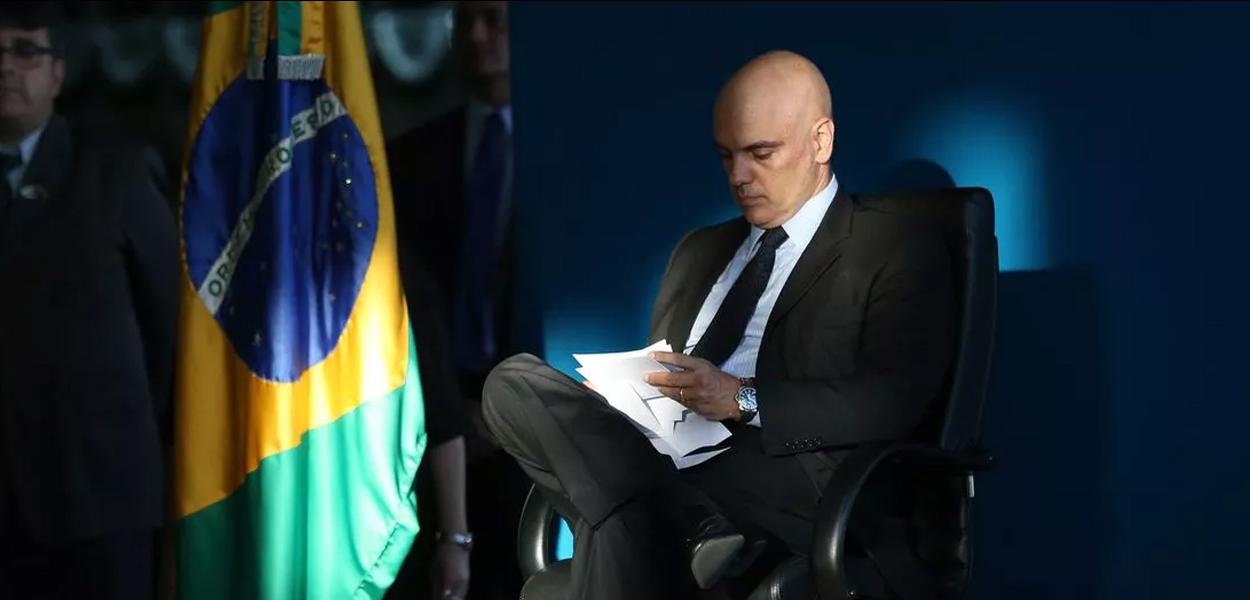

The Erosion of Freedom: Brazil’s Judicial Overreach Sparks U.S. Retaliation and Global Alarm
By Hotspotorlando News
In a chilling escalation of international tensions, Martin de Luca, a prominent lawyer for Trump Media, has publicly lambasted Brazilian Supreme Court Justice Alexandre de Moraes for what he describes as a blatant assault on democratic principles. De Luca’s scathing remarks, posted on social media, accuse Moraes of “making a fool of himself” while pretending to safeguard democracy through aggressive censorship orders. This isn’t just rhetoric—it’s a wake-up call for conservatives everywhere who cherish free speech as the bedrock of liberty.
De Luca’s statement pulls no punches. He highlights how the U.S. government has officially deemed Moraes’ actions—specifically his censorship directives targeting American citizens and platforms—as a direct threat to national security. This declaration isn’t empty words; it has triggered real economic consequences. The imposition of a staggering 50% tariff on Brazilian exports is a bold move, one that underscores America’s commitment to defending its interests against foreign judicial meddling. As de Luca aptly notes, Brazil is hemorrhaging credibility, trade opportunities, and vital investments because of one judge’s unyielding grip on power, all funded by hardworking Brazilian taxpayers.
From a conservative perspective, this saga is deeply troubling. We’ve long warned about the dangers of unelected officials wielding unchecked authority, and Moraes exemplifies this nightmare. His orders to silence dissenting voices on platforms like those associated with Trump Media echo the very authoritarian tactics conservatives fight against at home—think of the left’s attempts to stifle conservative speech on Big Tech. In Brazil, this has manifested in arbitrary bans and suppressions that not only violate individual rights but also strain alliances between nations that should be united in promoting freedom.
The broader implications are alarming.
If a single justice can provoke such a rift, leading to economic sanctions that hurt everyday Brazilians, what does this say about the fragility of global democracy?
Conservatives have always advocated for strong borders and fair trade, but when judicial overreach abroad threatens American sovereignty, retaliation becomes necessary. The tariffs, announced in late July, serve as a stern reminder that the U.S. won’t stand idly by while allies slide toward despotism. Yet, this comes at a cost: Brazilian families, already grappling with economic pressures, bear the brunt of Moraes’ ego-driven decisions.
Moreover, de Luca’s direct address to Moraes—”literally nobody believes that you are ‘saving the democracy'”—resonates with a truth that conservatives know all too well: Tyrants often cloak their power grabs in the language of protection. We’ve seen it in socialist regimes and overreaching governments worldwide. In Brazil, this could be the tipping point, eroding public trust and inviting further instability. As supporters of limited government and personal freedoms, we must ask: How long before such tactics inspire copycats in other nations, including our own?
This incident should prompt urgent reflection among conservatives. We applaud the U.S. for standing firm, but the path forward demands vigilance. Brazil’s leadership must rein in this judicial excess to restore balance and rebuild ties. Failure to do so risks not just economic isolation but the very soul of a nation once seen as a beacon in South America. In these uncertain times, defending free expression isn’t optional—it’s essential to preserving the freedoms we hold dear.