

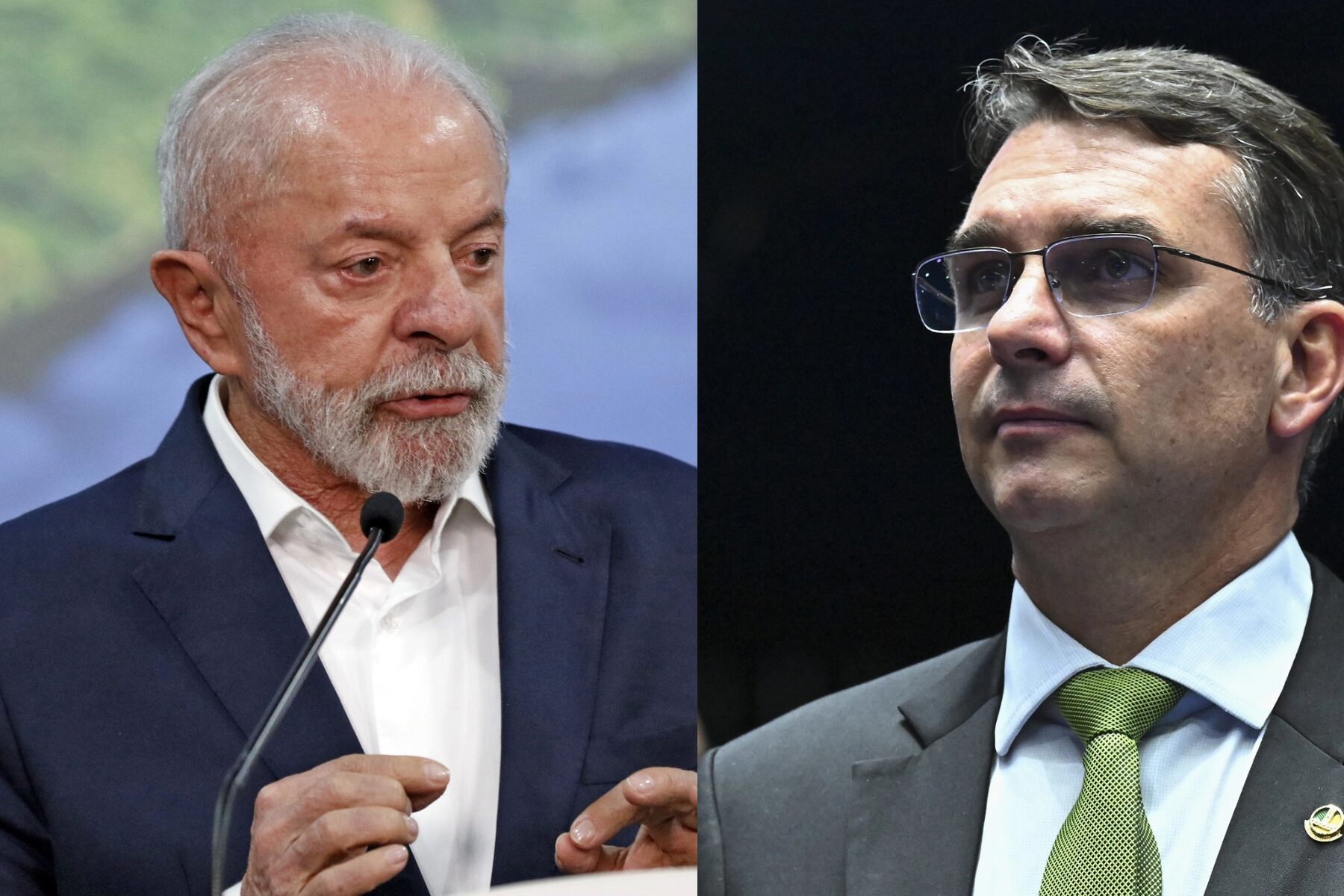

While President Lula spends his days lamenting the past, hurling attacks at the Bolsonaro family, and recycling tired accusations of betrayal and conspiracy, Senator Flávio Bolsonaro is quietly doing the hard work of building a real alternative for Brazil’s future.
In recent weeks, Flávio has rolled up his sleeves and assembled a serious economic advisory team—pulling in proven reformers like Gustavo Montezano, the former BNDES president who cleaned up cronyism and redirected the bank toward genuine private-sector growth, and Adolfo Sachsida, the ex-Minister of Mines and Energy who pushed liberalization and attracted investment to unleash Brazil’s natural resources. These aren’t flashy appointments for headlines; they’re deliberate choices signaling continuity with the market-friendly reforms that brought down unemployment, tamed inflation, and restored investor confidence during the Bolsonaro administration.
Flávio isn’t sitting back complaining—he’s engaging directly with São Paulo’s financial community, addressing concerns head-on, and promising a “tesouraço” (big cuts) to the avalanche of new taxes and wasteful spending that define the current government. His message is straightforward: fiscal discipline, deregulation, tax relief, and unleashing entrepreneurship to get Brazil growing again. While the left clings to big-government experiments that have delivered deficits and stagnation, Flávio is showing voters a path back to prosperity built on proven conservative principles.
Meanwhile, Lula continues his pattern of personal attacks—labeling the Bolsonaro family as traitors, defending extreme judicial measures against them, and framing any opposition as a threat to democracy itself. Instead of tackling runaway public debt, rising costs for families, or security failures, the president prefers to dwell on old grievances and family feuds. It’s a tired playbook from a leader more focused on preserving power than solving problems.
The contrast couldn’t be clearer. One side is whining and pointing fingers; the other is working, planning, and preparing to govern with competence and vision. As 2026 approaches, Brazilians deserve leaders who build teams, propose solutions, and respect hard-working citizens—not endless complaints and partisan vendettas.
Flávio Bolsonaro is proving he’s ready to lead by action, not just words. Brazil needs that energy now more than ever.