


Israel’s Vow to Make Tehran ‘Burn’ Signals Dangerous New Phase in Iran Conflict
By Hotspotorlando News
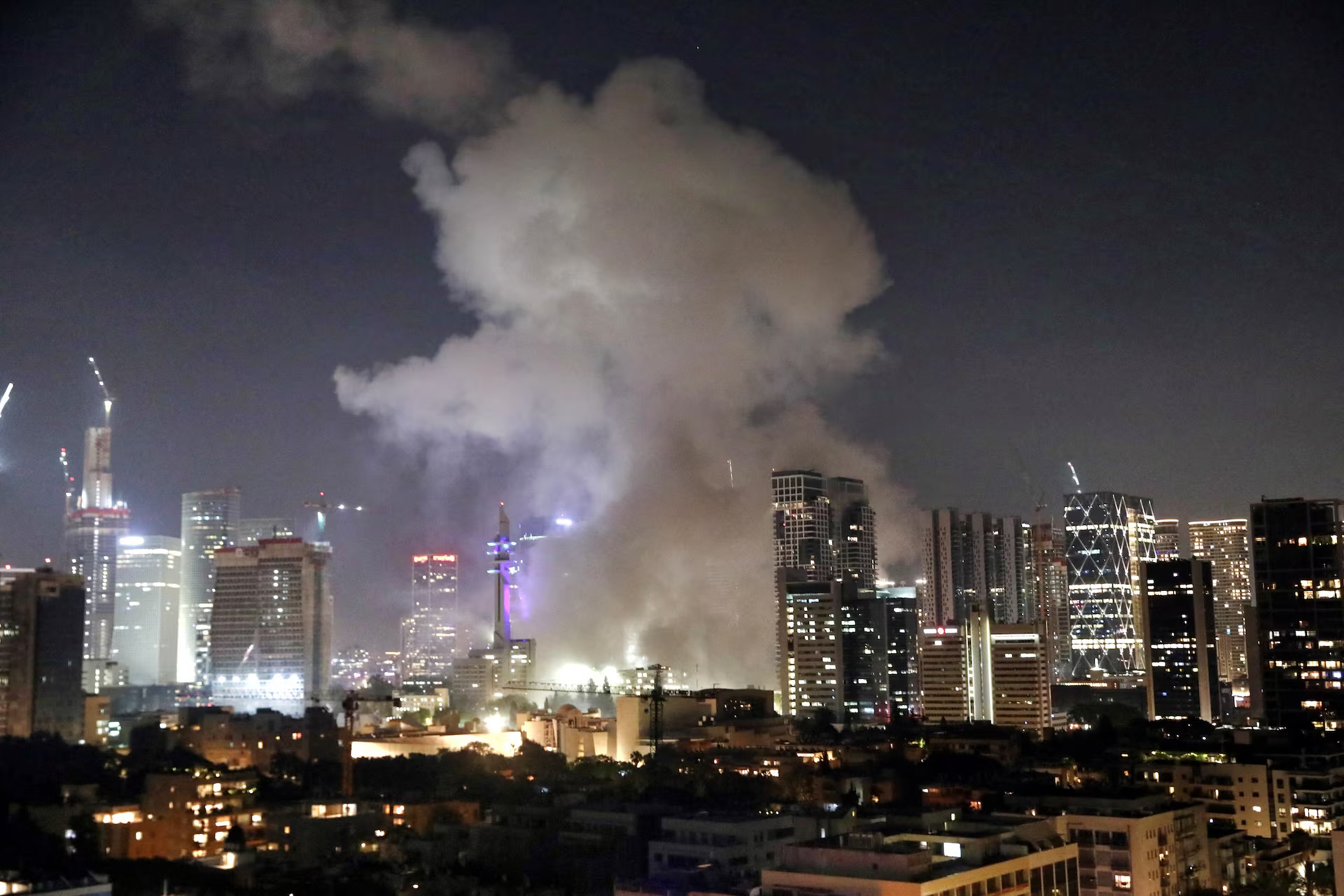
As of 08:51 AM EDT on Saturday, June 14, 2025, the Middle East teeters on the edge of a potentially catastrophic escalation. Israel’s Defense Minister Israel Katz has issued a chilling warning to Iran, vowing that “Tehran will burn” if the Islamic Republic continues its missile and drone attacks on Israeli soil. This stark threat follows Iran’s retaliatory barrages, launched in response to Israel’s unprecedented airstrikes on Iran’s nuclear facilities and military leadership. With both nations locked in a cycle of retaliation, the conflict risks spiraling into a broader regional crisis, though it falls short of a third world war. The world watches anxiously, grappling with the implications of a clash that could reshape the region and beyond.
### The Spark: Israel’s Operation Rising Lion
On June 13, Israel launched Operation Rising Lion, a sweeping campaign targeting Iran’s nuclear program, ballistic missile infrastructure, and senior military figures. The strikes killed high-ranking Revolutionary Guard commanders, including Hossein Salami, and at least nine nuclear scientists, dealing a severe blow to Iran’s military and scientific capabilities. Nuclear sites like Natanz and Esfahan were hit, with reports indicating significant damage to Natanz’s above-ground facilities, though underground centrifuge halls may have sustained less impact. Prime Minister Benjamin Netanyahu framed the operation as a matter of survival, citing Iran’s pursuit of nuclear weapons and its support for proxies like Hezbollah and Hamas, which have long targeted Israel.
The International Atomic Energy Agency (IAEA) condemned attacks on nuclear facilities, warning of “catastrophic consequences,” but Israel’s actions reflect a calculated decision that the threat of a nuclear-armed Iran outweighs immediate risks. The operation underscores Israel’s determination to neutralize Iran’s ability to threaten the Jewish state.
Iran’s Retaliation and Escalating Rhetoric
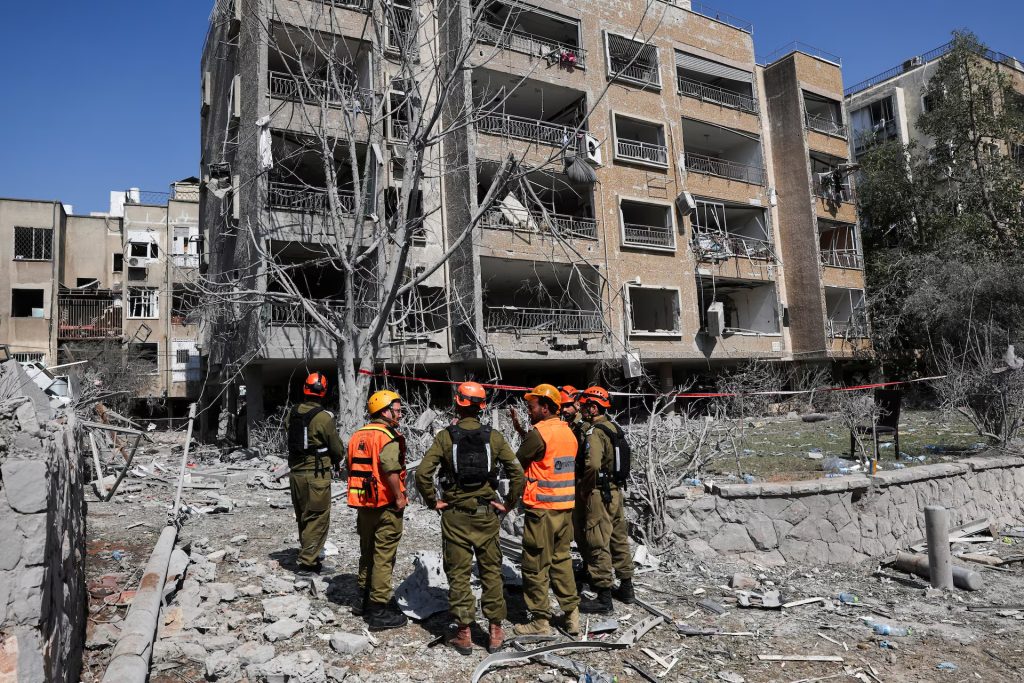
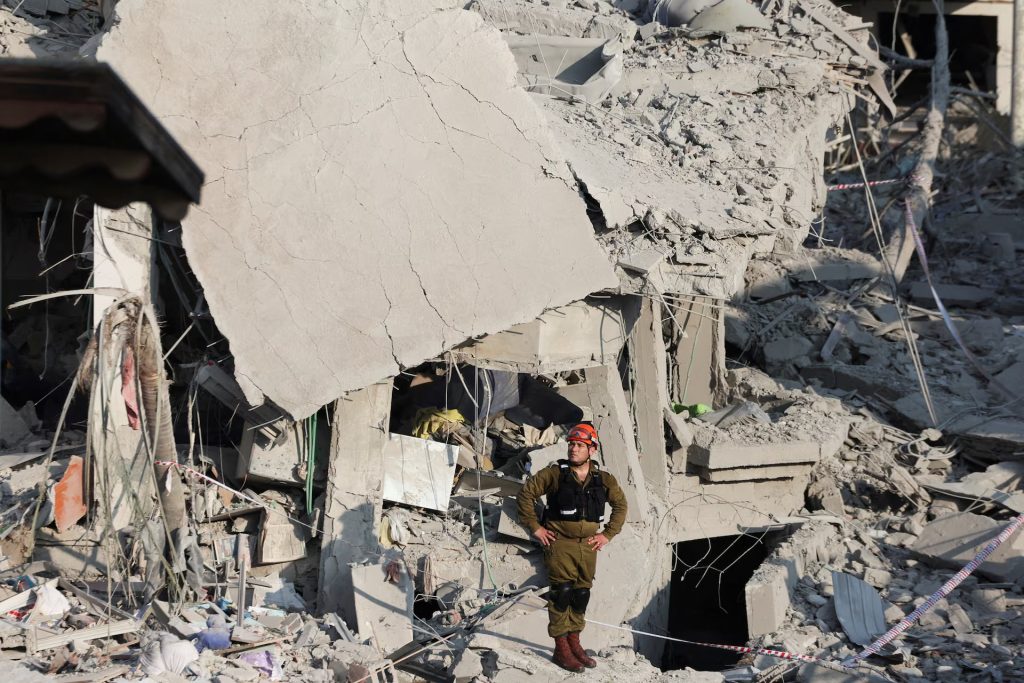
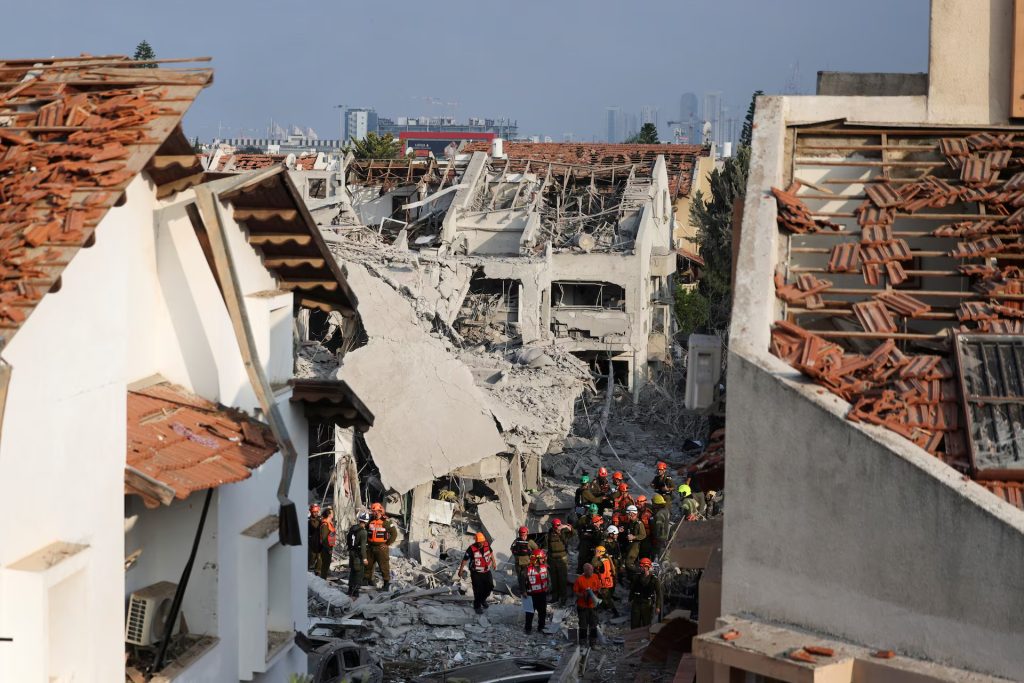
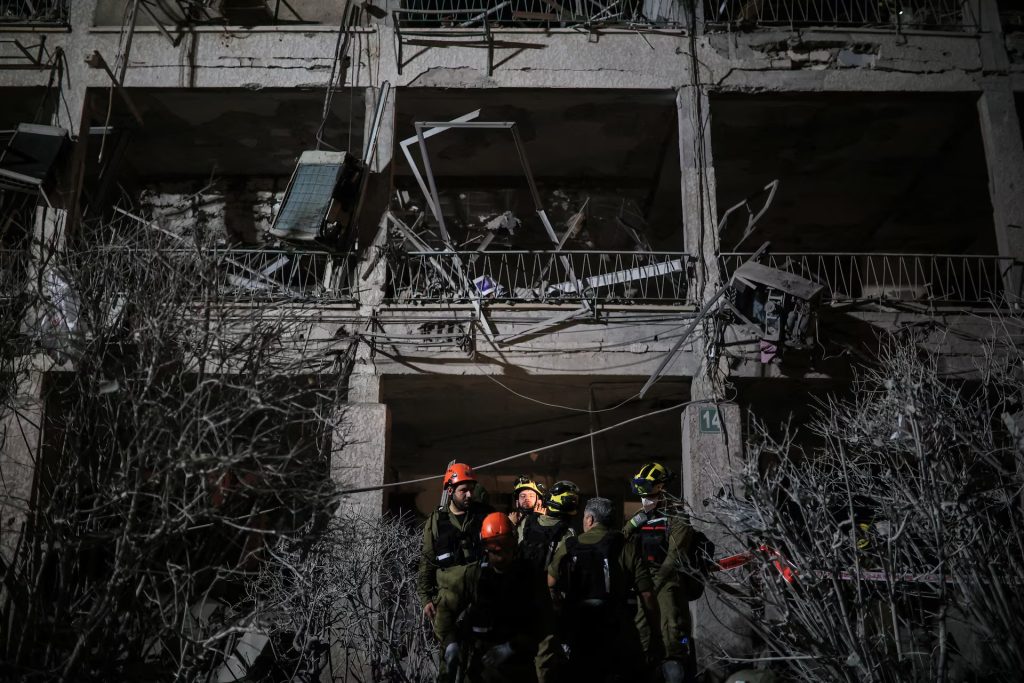
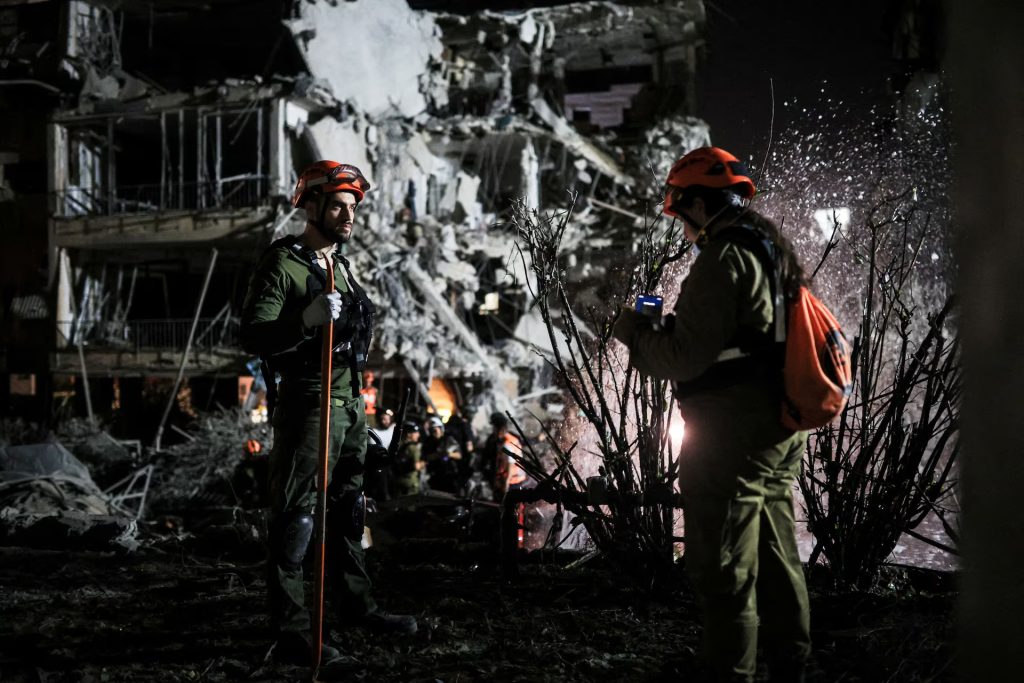
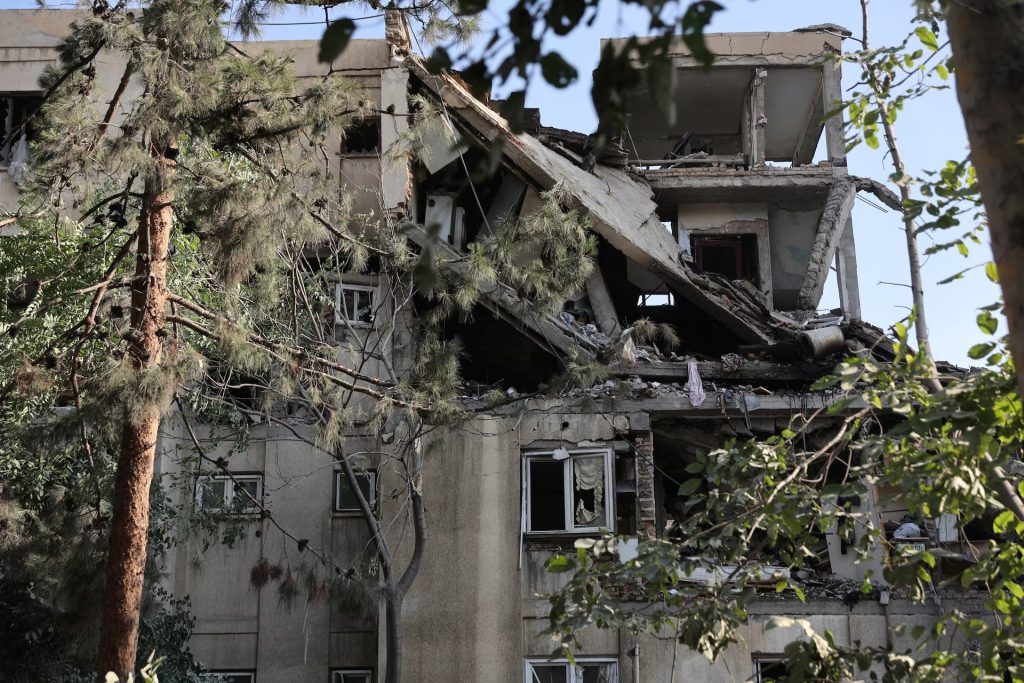
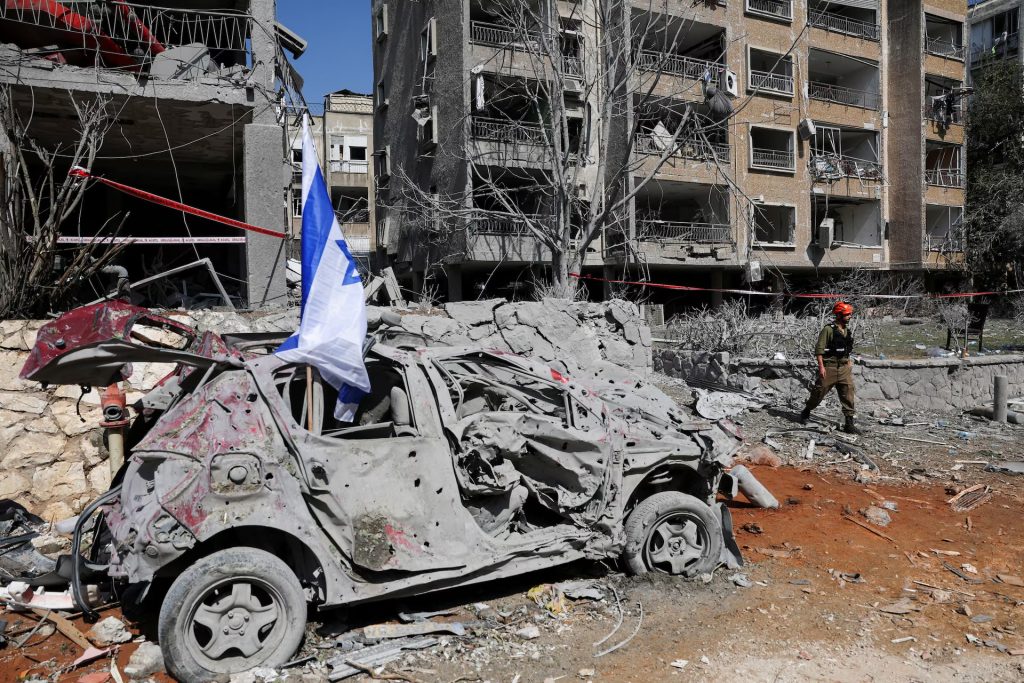
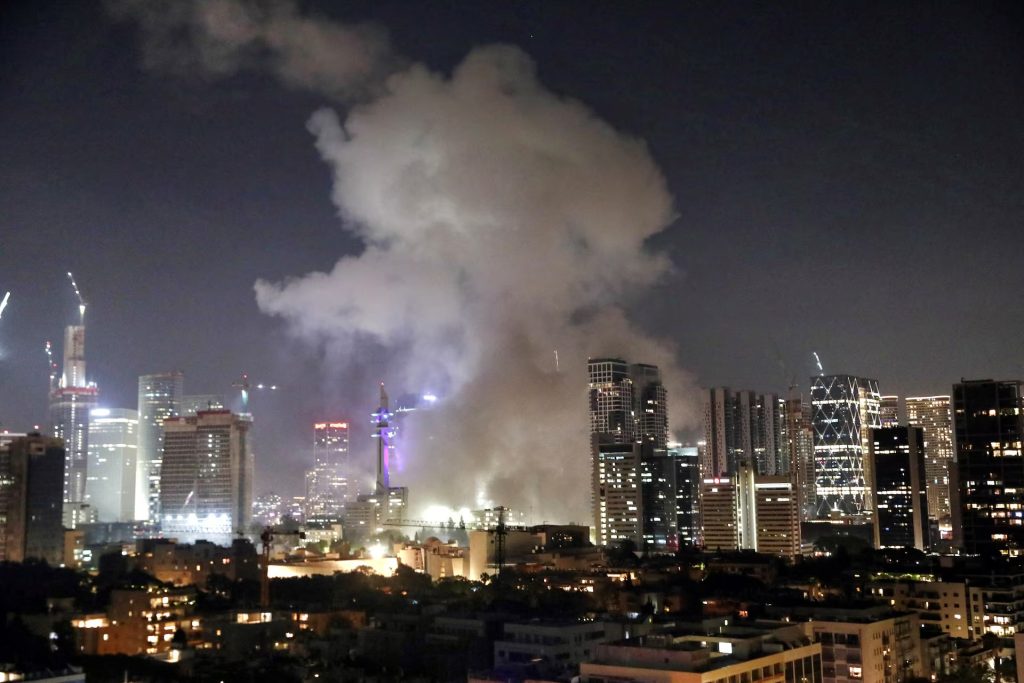
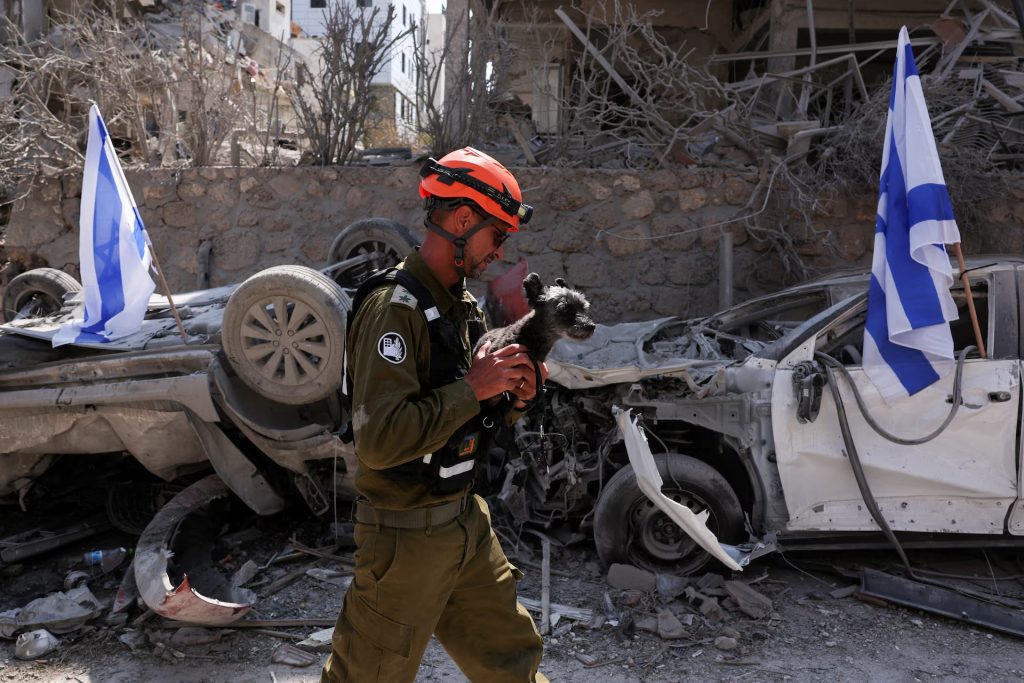
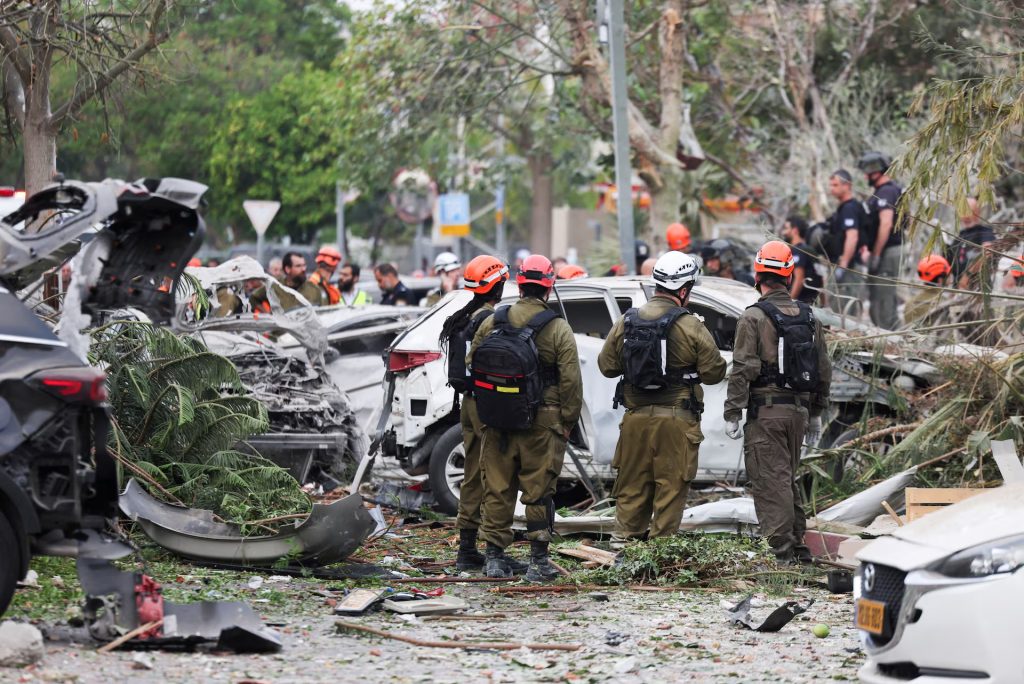
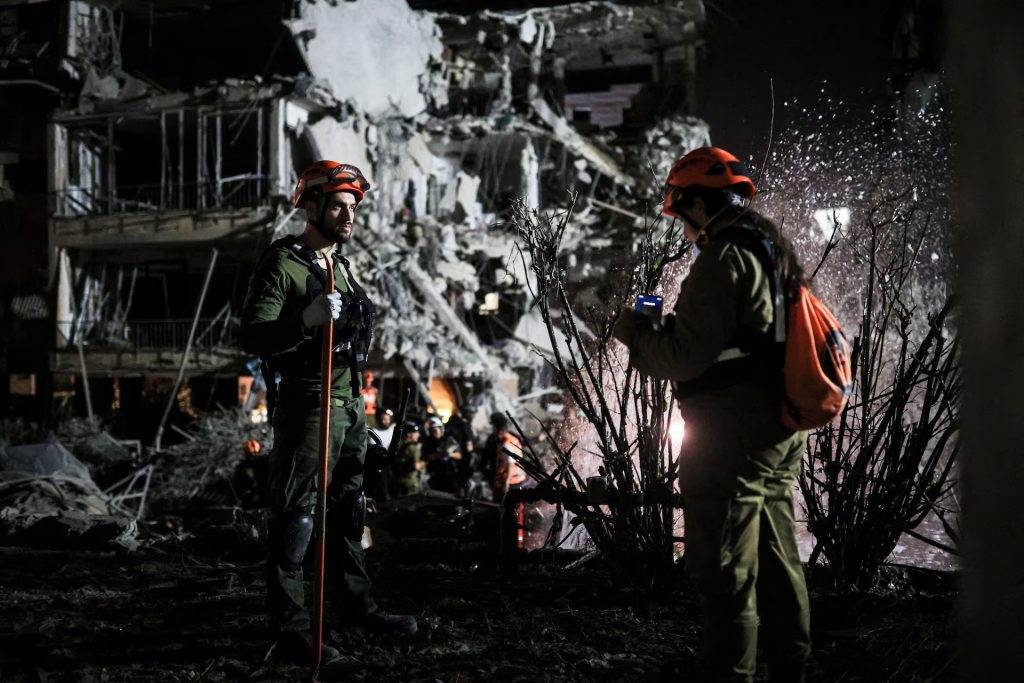
Iran responded with fury, launching multiple waves of ballistic missiles and over 100 drones targeting Tel Aviv, Jerusalem, and Israeli military bases on June 13 and into June 14. The attacks killed at least three Israelis, injured dozens, and damaged infrastructure, including a residential building in Tel Aviv. Iran’s Supreme Leader Ayatollah Ali Khamenei labeled Israel’s strikes a “declaration of war” and vowed a “harsh punishment,” signaling potential further attacks. Iranian state media claimed 78 deaths, mostly civilians, from Israel’s strikes, though these figures remain unverified as of 08:51 AM EDT.
Israel’s advanced air defenses, including the Iron Dome, intercepted many of Iran’s projectiles, with critical assistance from U.S. forces and regional allies like Jordan and Iraq, who neutralized drones traversing their airspace. Despite these efforts, the scale of Iran’s assault—its largest-ever direct attack on Israel—underscored Tehran’s determination to retaliate. In response, Defense Minister Katz’s warning that “Tehran will burn” reflects Israel’s readiness to escalate, potentially targeting Iran’s political and economic core. Katz accused Iran’s leadership of endangering its own citizens, suggesting Tehran’s residents could face severe consequences for further aggression.
Conflict Escalation Analysis: Is This World War III?
The current conflict, while highly volatile, does not constitute a third world war. A global war would involve multiple major powers (e.g., U.S., China, Russia, NATO) engaged in direct, sustained combat across multiple theaters, with massive mobilization and catastrophic consequences. This clash remains a regional conflict, primarily bilateral between Israel and Iran, with limited direct involvement from global powers. However, the risk of escalation toward a broader crisis is real, and several factors could push the situation closer to a wider war.
Why This Isn’t World War III
– **Scope and Scale**: The conflict is confined to the Middle East, with targeted strikes rather than all-out warfare. Iran’s missile barrages, while significant, were largely intercepted, and casualties remain relatively low (three confirmed Israeli deaths, dozens injured; unverified claims of 78 Iranian deaths). This is far from the global, multi-theater devastation of a world war.
– Limited International Involvement: The U.S. has supported Israel’s defense but distanced itself from the initial strikes, avoiding direct combat. Jordan and Iraq’s interception of Iranian drones was defensive, not offensive. Russia and China, with ties to Iran, are not militarily engaged, and NATO and the EU are urging de-escalation, not mobilization.
– Nature of the Conflict This is an escalation of a long-standing Israel-Iran proxy war, now spilling into direct confrontation. Israel’s strikes targeted specific assets, and Iran’s retaliation aimed to demonstrate resolve without triggering total war. Both sides have strategic reasons to avoid all-out conflict—Israel due to its focus on Gaza and Lebanon, and Iran due to its weakened military and economic constraints.
Factors That Could Escalate the Conflict
Despite its regional scope, several triggers could broaden the conflict:
– Direct U.S. Involvement: Iran has threatened to target U.S. bases if American support for Israel expands. A U.S. official warned Iran against this, but an attack on U.S. assets could draw the U.S. into combat, potentially involving allies like the UK or France.– Iran’s Proxies: Iran could activate Hezbollah, the Houthis, or other proxies to attack Israel or U.S. interests, opening new fronts. Hezbollah’s rocket attacks from Lebanon have intensified, and a major escalation there could complicate Israel’s strategy.
– Nuclear Escalation: Israel’s strikes on nuclear sites like Natanz raise the stakes. If Iran perceives its nuclear program as irreparably damaged, it might escalate unconventionally, though it lacks a functional nuclear weapon. Israel’s threat to make “Tehran burn” suggests potential urban or regime-targeting strikes, which could provoke a desperate response.
– Regional Spillover: Jordan and Iraq’s defensive actions risk their entanglement. If Iranian projectiles crash in their territory or Israel’s strikes cause collateral damage (e.g., nuclear fallout), neutral states could be drawn in.
– Global Power Alignment: Russia and China, while not directly involved, have strategic interests in supporting Iran to counter U.S. influence. If they provide significant military aid or if the conflict disrupts global energy markets (oil prices are up nearly 12% as of 08:51 AM EDT), economic and diplomatic tensions could internationalize the crisis.
Current Dynamics and De-escalation Prospects
– Israel’s Position: Israel’s ongoing campaign, which may last “days or weeks,” aims to neutralize Iran’s nuclear and missile capabilities. Its threat to target Tehran signals readiness to escalate, but its advanced defenses and strategic focus suggest a preference for a decisive, contained operation.
– Iran’s Constraints: Iran’s military is weakened by the loss of commanders and faces economic strain. Its missile attacks, described as “one-dimensional,” were largely ineffective, indicating limited capacity for sustained warfare. However, domestic pressure on Khamenei to retaliate strongly could drive further escalation.
– U.S. Role: The U.S. is urging restraint while supporting Israel’s defense, avoiding full commitment. President Trump’s call for Iran to negotiate on its nuclear program hints at a diplomatic off-ramp, though Iran’s distrust of the U.S. complicates this.
– Global Response: The IAEA’s warnings about nuclear site attacks and rising oil prices reflect global concern, but no major power is mobilizing for war. Diplomatic efforts, particularly from the U.S. and Europe, may push for a ceasefire or backchannel talks.
A Region and World on Edge
The stakes extend beyond Israel and Iran. The U.S.’s role in intercepting Iranian missiles highlights its delicate balancing act, while a U.S. official’s warning against attacks on American bases signals the risk of broader involvement. Regional actors like Jordan and Iraq are already entangled, and Iran’s proxies could escalate attacks on Israel or U.S. interests. Oil prices, up nearly 12% by 08:51 AM EDT, reflect global fears of energy disruptions.
The IAEA and world leaders have called for de-escalation, emphasizing the dangers of targeting nuclear sites. A nuclear catastrophe could have environmental and geopolitical consequences for decades. Yet, as of this morning, both Israel and Iran appear entrenched, driven by existential fears and domestic pressures.
A Critical Perspective
The mainstream narrative frames Israel’s strikes as a response to Iran’s nuclear threat, while portraying Iran’s retaliation as aggressive but limited. This oversimplifies a rivalry rooted in decades of hostility, ideological divides, and regional power struggles. Israel’s preemptive strikes risk inflaming anti-Israel sentiment, potentially fueling Iran’s proxy network. Iran’s missile barrages, though militarily ineffective, signal a willingness to escalate that could miscalculate Israel’s resolve.
The U.S.’s dual role as de-escalator and enabler of Israel’s defense complicates diplomacy. Domestic politics—Netanyahu’s need to project strength and Khamenei’s need to rally a restive population—may override restraint. Some X posts speculate that Iran’s attacks are symbolic, while others suggest Israel’s strikes aim for regime change, highlighting distrust in official narratives.
As of 08:51 AM EDT on June 14, 2025, Israel’s vow to make Tehran “burn” marks a perilous new phase in this conflict. The targeting of nuclear sites, loss of Iranian leaders, and Iran’s missile barrages escalate a decades-long rivalry, but this is not World War III. It remains a regional clash with global implications, not a global war involving major powers. The risk of escalation—through U.S. involvement, proxy wars, or nuclear missteps—remains high, but both sides have reasons to avoid total war.
The international community, particularly the U.S., must prioritize diplomacy backed by credible deterrence to prevent a catastrophe. For now, the world holds its breath, hoping cooler heads prevail before the flames of war consume the region.
Source: Reuters, Times, AP. X-AI, GROK.