


Lula’s Desperate Last-Minute Dash to the G7 Exposes Weakness in Brasilia
By Hotspotnews
Brazilian President Luiz Inácio Lula da Silva has long positioned himself as a global statesman for the left, lecturing on multilateralism while pursuing socialist policies at home. Yet recent developments surrounding the G7 summit in France reveal a different picture: one of reactive scrambling rather than confident leadership.
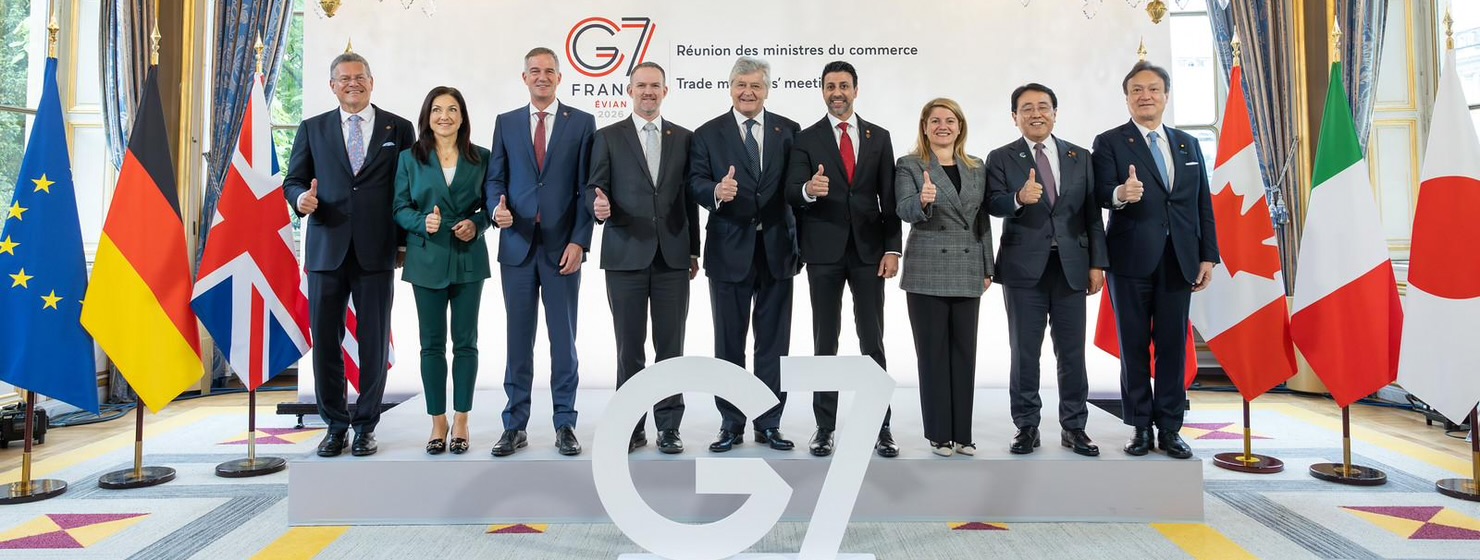
As a non-member nation, Brazil is not a core participant in the G7. Lula attends only as a guest at the invitation of the host. Despite this limited role, he had no initial plans to attend the gathering of the world’s leading industrialized democracies. He only reversed course at the eleventh hour, rushing preparations after word spread that Flávio Bolsonaro, son of former President Jair Bolsonaro, had secured a meeting with U.S. President Donald Trump. CNN itself acknowledged this shift, confirming that the Brazilian leader changed his mind and decided to go hurriedly once the conservative opposition demonstrated direct access to the American president.
This sequence of events speaks volumes about priorities in Brasilia. Rather than building steady diplomatic relationships based on mutual interests and shared values, Lula’s team appears driven by optics and damage control. The sudden pivot comes amid tensions over U.S. tariffs on Brazilian goods, a development that stems from years of strained relations under a government often at odds with American conservatives on trade, energy, and regional security.
Conservatives have long argued that strong nations thrive through principled alliances, not performative gestures at elite summits. Flávio Bolsonaro’s engagement with Trump highlights the enduring appeal of straightforward conservatism: respect for sovereignty, economic realism, and skepticism toward globalist overreach. Lula’s hurried response, by contrast, underscores how left-leaning leadership in Brazil often prioritizes narrative control over results—especially when showing up merely as a guest rather than an equal participant.
The G7 remains a forum for the world’s leading free-market democracies. Guest invitations to leaders like Lula do not confer equal footing, especially when domestic policies—high taxes, regulatory burdens, and flirtations with authoritarian partners—undermine Brazil’s credibility as a reliable partner. Rushing to the table after seeing the opposition gain ground only reinforces perceptions of insecurity.
True strength in foreign policy does not require last-minute flights or admissions of changed plans. It comes from consistent principles that earn respect across administrations. Brazil’s conservatives, drawing from the legacy of disciplined governance and pro-Western orientation, offer a clearer path forward than reactive maneuvers born of political desperation.
Lula’s scramble may generate headlines in sympathetic circles, but it cannot mask the underlying reality. When even state media outlets note the eleventh-hour reversal, the message is unmistakable: the current approach in Brasilia lacks the steady hand needed for lasting international influence. Americans and Brazilians alike who value sovereignty and results will continue favoring leaders who build alliances proactively rather than chase them after the fact.
photo ALJAZEERA and Associated Press