

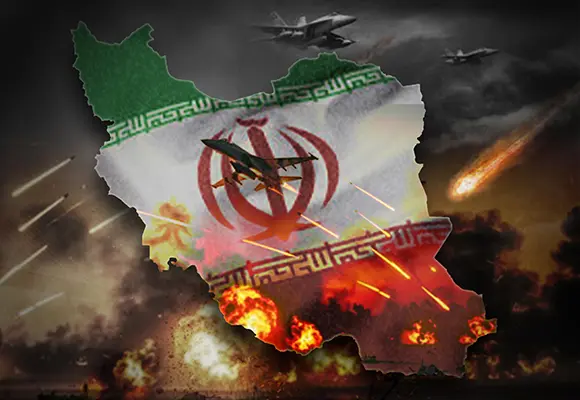

Trump Administration Delivers Peace Through Strength: JD Vance Outlines Historic Iran Deal
By Hotspotnews
In a major announcement highlighting the Trump administration’s commitment to American interests and global stability, Vice President JD Vance has laid out the core pillars of a peace agreement with Iran. This framework represents a pragmatic victory rooted in strength, deterrence, and clear-eyed realism rather than the endless wars or naive concessions of the past.
The deal’s foundation is ironclad: Iran is permanently blocked from pursuing, acquiring, or obtaining a nuclear weapon in any form. This is the non-negotiable red line that previous administrations failed to enforce. The Obama-era nuclear deal handed Tehran billions in sanctions relief while providing a pathway to breakout capability. Under Trump’s leadership, backed by decisive military pressure including a naval blockade, Iran faces a future where nuclear ambitions are off the table forever. That alone protects Israel, our Gulf allies, and American troops from an existential threat posed by a regime that has sponsored terrorism for decades.
Equally important, the agreement immediately reopens the Strait of Hormuz to free navigation. This vital chokepoint for global oil shipments has been a flashpoint. Its reopening stabilizes energy markets, reduces price volatility, and delivers lower costs at the pump for American families and businesses. Energy security is national security. A closed strait hurts working Americans far more than it harms distant adversaries.
The U.S. naval blockade, imposed to counter Iranian aggression during the conflict, will be lifted as part of the comprehensive package. This is not weakness—it is the logical endpoint of successful pressure. When combined with the nuclear prohibition and open shipping lanes, the blockade’s removal demonstrates that American resolve forces adversaries to the table on our terms.
Finally, the deal unlocks enormous investment opportunities across the region. American companies and capital stand ready to participate in rebuilding and development once compliance is verified. This creates jobs here at home, expands markets for U.S. industry, and fosters economic interdependence that can discourage future conflict. Peace and prosperity go hand in hand when negotiated from a position of strength.
Critics on the left and among reflexive interventionists will no doubt spin this as appeasement or a retreat. They ignore the alternative: prolonged conflict draining American resources, risking lives, and achieving little beyond regime survival under worse conditions. True conservatives understand that endless nation-building and open-ended wars are not strength—they are folly. Trump’s approach prioritizes results: no Iranian nukes, open seas, and an end to active hostilities without American boots on the ground in another quagmire.
This agreement aligns with America First principles. It shows that maximum pressure works when paired with serious diplomacy. The regime in Tehran remains, but its most dangerous capabilities are constrained. That is a better outcome than the fantasy of perfect regime change or the reality of another costly stalemate.
Vice President Vance’s announcement underscores a simple truth: when America leads with strength and clarity, adversaries bend. The Trump administration has once again delivered where weakness previously prevailed. This deal has the potential to reshape the Middle East for the better—securing American interests, protecting allies, and avoiding the mistakes that defined prior decades.
For families concerned about energy prices, for those who value peace without perpetual war, and for anyone who believes in putting America first, this is welcome progress. The details will be scrutinized, compliance enforced, and results judged by outcomes—not rhetoric. On those metrics, the framework outlined by the Vice President stands as a clear step forward.