

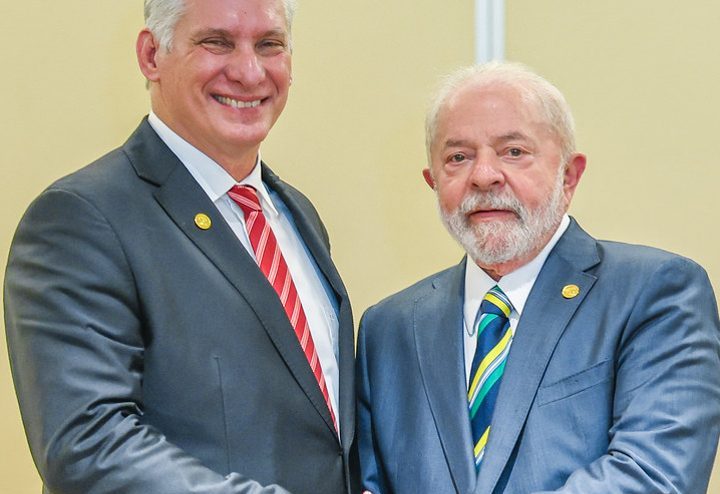

Lula’s Misplaced Priorities: Shipping Aid to Cuba’s Regime While Cutting Essential Health Programs at Home
By Hotspotnews
In a move that has left many Brazilians outraged, President Luiz Inácio Lula da Silva has once again demonstrated a troubling pattern of ideological favoritism over the urgent needs of his own citizens. Just as Brazil grapples with fiscal constraints and domestic hardships, the government has organized a massive humanitarian aid shipment to Cuba—totaling over 20,000 tons of rice, hundreds of tons of beans and powdered milk, plus dozens of tons of essential medicines—while simultaneously slashing funding for critical health programs that millions of ordinary Brazilians depend on.
This is not mere foreign policy; it is a stark betrayal of domestic priorities. The aid package, quietly coordinated through the Foreign Ministry and channeled partly through UN programs at Cuba’s request, includes 20,000 tons of paddy rice, 150 tons of black beans, 150-200 tons of polished rice, 500 tons of powdered milk, and around 80 tons of medications targeting fungal infections and arboviruses. These shipments began arriving by air in recent days, with larger consignments following amid Cuba’s worsening economic and energy crisis under renewed U.S. pressure.
Yet at the exact same moment, Brazil’s 2026 federal budget—shaped by the administration’s fiscal negotiations—imposed painful cuts to health spending. The Farmácia Popular program, which provides low-income Brazilians with discounted or free access to essential medicines for chronic conditions like hypertension, diabetes, and asthma, suffered reductions estimated in the hundreds of millions of reais. Broader health sector adjustments, tied to meeting fiscal targets and accommodating congressional demands, have squeezed resources from programs that directly alleviate suffering among the poorest and most vulnerable at home.
The optics could not be worse. While elderly pensioners, working-class families, and rural communities struggle to afford basic medications amid inflation and rising costs, the government diverts substantial food and medical resources to prop up a long-standing ideological ally: the Cuban communist regime. Cuba’s government, often described by critics as an authoritarian dictatorship that suppresses dissent, imprisons political opponents, and maintains tight control over the economy, has long relied on international solidarity from leftist governments to offset the failures of its centralized model.
Lula’s defenders may frame this as compassionate humanitarianism or South-South cooperation, insisting the aid helps ordinary Cubans rather than the regime itself. But the reality is far more cynical. Sending rice, milk, and medicines to a government that has mismanaged its economy for decades—leading to chronic shortages, blackouts, and emigration waves—effectively subsidizes a failed socialist experiment. It rewards ideological kinship over practical results, especially when Brazilians face their own shortages, natural disasters, and strained public services.
This is not the first time Lula has shown such bias. His administration has historically prioritized alliances with Havana, from past loans and the Mais Médicos program (where Cuba pocketed most of the payments for its doctors) to repeated public defenses of the regime against U.S. sanctions. In an election year, the government has handled the Cuba aid discreetly to avoid backlash, but the parallel with domestic cuts makes the hypocrisy impossible to ignore.
Conservatives and everyday citizens alike see this as proof of a deeper problem: a president more committed to international leftist solidarity than to the welfare of Brazilians. Why send tens of thousands of tons of food abroad when domestic soup kitchens, flood victims in the South, or families hit by price hikes could use that support? Why cut access to affordable drugs here while dispatching medicine there?
The answer lies in ideology over pragmatism. Lula appears locked into a worldview where supporting “comrade” regimes takes precedence, even if it means shortchanging his own people. This is not leadership; it is detachment. Brazilians deserve a government that puts national needs first—not one that uses taxpayer resources to burnish its revolutionary credentials on the global stage.
In the end, actions speak louder than words. While Lula preaches solidarity abroad, his policies reveal a painful truth: for too many Brazilians struggling to get by, that solidarity ends at the border.