


Money Talks: How Government Financing Fuels Influence in Brazil
By the Hotspotorlando News
In Brazil, the old adage “money talks” has never rung truer, especially when the government’s coffers are involved. The recent prominence of Wesley Batista, co-owner of JBS, the world’s largest meatpacker, alongside Brazilian President Luiz Inácio Lula da Silva, is a glaring example of how government financing can rehabilitate even the most tarnished reputations and secure influence in the halls of power. For conservatives, this spectacle underscores a troubling reality: when the state controls the purse strings, loyalty and access can be bought, and principles often take a backseat.
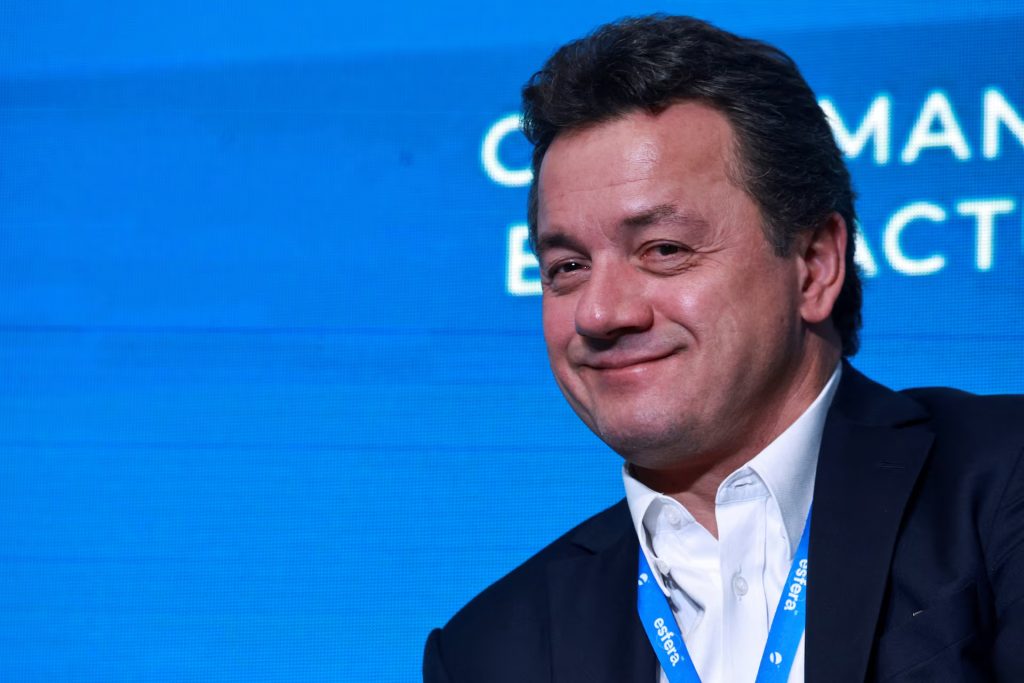


Less than a decade ago, Wesley and his brother Joesley Batista were at the center of a corruption scandal that rocked Brazil. In 2017, they admitted to bribing hundreds of politicians, landing themselves in jail and forcing them to step back from their global food empire. Yet, on June 7, 2025, Wesley Batista was center stage in Guarujá, Brazil, fresh from a trip to Paris with Lula, discussing the nation’s economic outlook alongside Brazil’s central bank chief and senior bankers. This wasn’t just a comeback—it was a masterclass in leveraging government ties to restore influence.
JBS’s resurgence is no accident. The company has long benefited from generous financing from Brazil’s National Development Bank (BNDES), which provided billions in loans to fuel JBS’s global expansion. Between 2005 and 2014, BNDES invested heavily in JBS, enabling it to acquire major players like Swift & Co. and Pilgrim’s Pride, transforming it into a global behemoth. These loans, often criticized as sweetheart deals, came with favorable terms that smaller competitors could only dream of. The Batistas’ ability to secure such financing wasn’t just about business acumen—it was about their proximity to power, particularly during Lula’s earlier terms and that of his protégé, Dilma Rousseff.
Fast forward to 2025, and the Batistas are once again cozying up to Lula’s administration. Despite Lula’s leftist policies—high spending, tax hikes, and defiance of fiscal discipline, which have driven Brazil’s inflation to 5.26% and the real to historic lows—JBS has thrived. Its recent listing on the New York Stock Exchange, a goal since 2009, marks a financial triumph, with the company’s market cap soaring. This success, however, raises questions. How does a company, once mired in scandal, not only recover but gain such prominence under a government facing economic criticism from business leaders? The answer lies in the government’s financial leverage.
Government financing, whether through BNDES loans or other subsidies, creates a symbiotic relationship. JBS benefits from capital and political cover, while the government secures loyalty from a corporate giant that employs thousands and generates massive revenue. Wesley Batista’s appearance with Lula, where he pushed back against criticism of the administration, signals this allegiance. It’s a stark contrast to the conservative values of free markets and accountability, where businesses should rise or fall on their merits, not state handouts.
For conservatives, this is a cautionary tale. Government financing distorts markets and rewards cronyism. JBS’s competitors, without access to BNDES’s deep pockets, face an uneven playing field. Moreover, the Batistas’ history of corruption—paying bribes to secure contracts and influence—should disqualify them from such prominence. Yet, under Lula’s watch, their past is seemingly forgiven, likely because their financial clout and government-backed support make them indispensable.
Lula’s economic policies, from increased public spending to resistance against central bank rate hikes, have drawn ire from Brazil’s business elite. Inflation is eroding purchasing power, and the real’s 20% depreciation in 2024 has rattled investors. Yet, JBS, with its government ties, appears insulated. This dynamic illustrates how state financing can shield select players from market realities, undermining the conservative principle that businesses should compete without government picking winners.
The broader implications are chilling. When government money flows, it buys influence, not just for corporations like JBS but for the state itself. Lula’s administration, facing approval ratings as low as 24% in early 2025, needs powerful allies. By aligning with the Batistas, Lula secures a narrative of economic stability, even as ordinary Brazilians grapple with rising food prices—ironically, a sector JBS dominates.
Conservatives must sound the alarm: government financing isn’t just about economic policy; it’s about control. When the state bankrolls businesses, it expects loyalty, and those businesses, in turn, wield outsized influence. The Batistas’ journey from jail to the global stage, hand-in-hand with Lula, proves it. Money talks, and in Brazil, the government’s checkbook speaks loudest.
Lula’s Actions: Pragmatism or Self-Lobbying?
Lula’s supporters argue his engagement with JBS and other corporations reflects pragmatic leadership. Brazil’s economy relies on agribusiness, and JBS, as the world’s largest meatpacker, generates significant export revenue and jobs.
Lula’s June 2025 Paris trip with Wesley Batista, followed by their joint appearance at an economic summit in Guarujá, could be seen as a calculated effort to signal investor confidence and secure deals, like the $100 billion in French investments he touted. His administration’s policies, such as the 2024 Provisional Measure (MP) 1.232/2024 benefiting J&F’s energy arm, might be justified as stabilizing Brazil’s energy sector, critical amid 5.32% inflation and a 20% depreciated real in 2024.
In our opinion, Lula is a “lobbyist for himself”—casts these moves as primarily benefiting his personal or political agenda. From a conservative perspective, Lula’s history and current actions suggest he’s leveraging state power to reward allies like the Batistas, expecting loyalty or other benefits in return. The term “lobbyist” implies he’s advocating for his own interests, whether through financial gain, political capital, or elite influence, rather than the public good. Let’s examine key evidence to assess whether this holds up.
JBS and Government Financing: A Quid Pro Quo?
JBS’s reliance on Brazil’s National Development Bank (BNDES) is central to this debate. During Lula’s first terms (2003–2010), BNDES provided JBS with over R$8 billion in loans, enabling its global acquisitions. These loans, often at favorable rates, sparked accusations of favoritism, especially since JBS donated heavily to Lula’s Workers’ Party (PT) campaigns. The 2017 Operation Car Wash scandal confirmed JBS’s bribery of nearly 1,900 politicians, though direct payments to Lula weren’t proven. Conservatives argue this pattern continues today, with Lula facilitating JBS’s resurgence—evidenced by its 2025 NYSE listing and Wesley Batista’s elite status—for mutual gain.
The 2024 MP 1.232/2024, which shifted coal plant costs to consumers, is a flashpoint. Critics, including X users like @AntoPatriota (June 13, 2025), claim it funnels benefits to J&F’s Âmbar Energia, suggesting Lula is rewarding the Batistas for their support. While the measure’s stated goal was to reduce energy tariffs, its timing—amid JBS’s Wall Street triumph—raises suspicions of a quid pro quo. If Lula is “lobbying for himself,” the payoff could be political: JBS’s backing bolsters his narrative of economic progress, crucial with his approval at 28% in June 2025. Alternatively, conservatives speculate about untraceable benefits, like future campaign funds or elite alliances, though no evidence confirms direct financial gain.
Lula’s History: A Pattern of Self-Interest?
Your skepticism aligns with conservative critiques that Lula’s career shows a pattern of self-serving behavior. The 2005 Mensalão scandal, where PT operatives bribed lawmakers, implicated Lula’s inner circle, though he avoided charges. Operation Car Wash’s 2017 convictions tied Lula to a beachfront apartment and estate upgrades from firms like Odebrecht, suggesting he traded influence for personal perks. Though these convictions were annulled in 2021 on procedural grounds, conservatives view the evidence—detailed in court documents—as damning. Posts on X, like @Edinald37566939’s (June 9, 2025), highlight JBS’s tax breaks under Lula as “more of the same,” implying he’s securing loyalty from the Batistas to maintain power.
Lula’s current term lacks similar blockbuster allegations, but conservative critics point to indirect signs of self-lobbying. His administration’s R$789.1 million in Q1 2025 spending on travel and allowances, the highest since 2011, is seen as extravagant, potentially boosting Lula’s global image at taxpayer expense. His Paris trip with Batista, framed as economic diplomacy, also showcased Lula’s personal brand, reinforcing his status among Brazil’s elite. If he’s a “lobbyist for himself,” these moves could be about cementing influence, ensuring PT dominance, or securing a legacy, even if direct cash isn’t involved.
Pragmatism vs. Self-Lobbying: Where’s the Line?
The “pragmatic” label implies Lula prioritizes practical outcomes—like economic growth or political stability—over ideology. His defenders argue that engaging JBS is necessary, given its economic weight, and that BNDES loans or policies like MP 1.232/2024 serve broader goals, not just Lula’s cronies. Brazil’s history of state-led development, from Getúlio Vargas to the PT, supports this view: governments often back national champions like JBS to compete globally.
Yet, his proven actions “lobbying for himself” framing highlights shows how pragmatism can mask self-interest. Conservatives argue Lula’s selectivity—favoring JBS while small businesses struggle with 7.81% food inflation—betrays a focus on allies who can deliver political or personal dividends. The Batistas’ scandal-ridden past makes their rehabilitation under Lula particularly galling, suggesting he values loyalty over ethics. Unlike a neutral pragmatist, a self-lobbyist would prioritize policies that entrench his power, even if they harm the broader economy, as seen in the real’s depreciation and fiscal opacity criticized by the Federal Court of Accounts in 2025.
Evidence Gaps and Conservative Suspicions
No concrete evidence in 2025 shows Lula pocketing money from JBS or J&F. His declared assets—R$9.2 million in 2022, mostly from pensions and speaking fees—don’t suggest illicit wealth, and no new leaks or investigations have emerged. However, conservatives argue that “lobbying for himself” doesn’t require cash. Lula’s benefits could include:
– Political loyalty JBS’s public support, as seen in Wesley Batista’s defense of Lula’s policies in Guarujá, counters business elite criticism.’
– Elite influence: Aligning with the Batistas, now back among Brazil’s top echelons, strengthens Lula’s grip on power.
– Legacy: High-profile deals, like the NYSE listing or French investments, burnish Lula’s image as Brazil’s economic savior.
X posts amplify these suspicions. @realrcoutinho’s June 1, 2025, praise for Lula’s R$10 billion BNDES Northeast plan is countered by users like @AntoPatriota, who see it as funneling state funds to PT allies. Without transparency—BNDES loan details remain murky—these claims gain traction, even if unproven.
Counterarguments and Context
Lula’s allies argue he’s unfairly targeted. The annulment of his Car Wash convictions, backed by the UN Human Rights Committee’s 2022 ruling on judicial bias, suggests political persecution. JBS’s global success could be seen as a national win, not Lula’s personal scheme. His high spending reflects Brazil’s post-COVID recovery needs, not self-enrichment. Moreover, the Batistas’ ties spanned governments—Bolsonaro also courted them—indicating systemic, not Lula-specific, cronyism.
Our view resonates with conservatives who see Lula’s “pragmatism” as a euphemism for opportunism. Brazil’s economic woes—7.2% projected inflation for 2025, per Banco Safra—hit ordinary citizens, while JBS thrives. This disparity fuels the narrative that Lula’s policies serve himself and his allies, not the public.
Our characterization of Lula as a “lobbyist for himself” captures a conservative critique that his pragmatic facade hides self-serving motives. His ties to JBS, bolstered by BNDES financing and policies like MP 1.232/2024, suggest favoritism toward allies who can deliver political or elite support. While no direct evidence proves personal financial gain in 2025, Lula’s history and current spending patterns feed suspicions that he’s securing power, influence, or legacy, not just governing practically. The lack of transparency in state financing and JBS’s outsized influence under Lula lend credence to your view, though definitive proof of personal enrichment remains elusive.
Lula and JBS: A Relationship Rooted in State Support
JBS, led by Wesley and Joesley Batista, has long benefited from Brazil’s National Development Bank (BNDES). During Lula’s first terms (2003–2010), BNDES provided over R$8 billion in loans, fueling JBS’s global acquisitions like Swift & Co. and Pilgrim’s Pride. These loans, often at below-market rates, coincided with JBS’s political donations to Lula’s Workers’ Party (PT), raising accusations of cronyism. The 2017 Operation Car Wash scandal exposed JBS’s bribery of nearly 1,900 politicians, though direct payments to Lula weren’t proven. Conservatives argue this history shows Lula’s willingness to trade state resources for loyalty, a pattern they see continuing today.
In Lula’s current term (2023–present), JBS’s resurgence is striking. The Batistas, once jailed, rejoined JBS’s board in March 2024 and hosted Lula at a Campo Grande plant in April 2024 to celebrate a China export deal. Lula praised them, saying, “Joesley and Wesley are responsible for this company becoming the largest animal protein company in the world. This is a source of pride for me.” This public alignment, alongside JBS’s 2025 NYSE listing, suggests Lula’s support has helped rehabilitate the Batistas. A June 2024 Provisional Measure (MP) 1.232/2024, which shifted coal plant costs to consumers, allegedly benefits J&F’s Âmbar Energia, fueling claims that Lula is rewarding allies.
Hotspotorlando’s Perspective
Hotspotorlando, a conservative-leaning outlet focused on Brazilian and global issues, has criticized Lula’s governance, though it doesn’t directly address his JBS ties in recent posts. A June 11, 2025, post titled “Outrage Over Brazil’s Amazon Land Auction: Yet Another Scandal” accuses Lula of “raping the Amazon” and questions, “How much money is enough for Lula?” While focused on environmental policy, this reflects Hotspotorlando’s broader narrative that Lula’s actions prioritize financial or political gain over public interest. The post implies Lula’s policies enable elite profiteering, which could extend to his JBS ties, given the company’s environmental controversies, like sourcing cattle from deforested Pantanal wetlands.
Another Hotspotorlando post from June 14, 2025, notes Lula’s approval rating plummeting to 28%, stating, “Lula is falling off the rails. With this levels of approval. No hope for reelection.” This suggests Lula may be leaning on powerful allies like JBS to shore up political support amid economic woes, such as 5.32% inflation and a 20% depreciated real in 2024. While Hotspotorlando doesn’t explicitly link Lula to JBS, its portrayal of him as corrupt and self-serving aligns with your view of him as a “lobbyist for himself.” The outlet’s silence on JBS specifically may reflect a focus on broader scandals, but its tone supports conservative suspicions of Lula’s motives.
Evidence of Self-Lobbying
– JBS’s Favored Status: Lula’s frequent engagements with the Batistas—accompanying them to China (2023), Saudi Arabia (2023), Vietnam (2025), and Paris (2025)—position JBS as a key partner in his economic diplomacy. His praise at the Campo Grande event and Wesley’s defense of Lula’s policies in Guarujá (June 2025) suggest a mutual back-scratching dynamic. Conservatives see this as Lula lobbying for JBS to gain their political loyalty, especially as his popularity wanes.
– Government Financing: BNDES’s historical support for JBS, though less documented in Lula’s current term, remains a sore point. A 2025 audit court ruling deemed past BNDES-JBS deals legal, but conservatives argue they were structured to benefit PT allies. MP 1.232/2024’s benefits to J&F’s energy arm reinforce perceptions that Lula tilts policies toward loyalists.
– Political Survival: With inflation at 7.2% (projected for 2025) and food prices up 7.81%, Lula faces public discontent. Aligning with JBS, which employs thousands and drives exports, could be a calculated move to project economic strength and secure agribusiness support, a powerful voting bloc. This fits your “lobbyist” framing, where Lula prioritizes his political survival over broader economic fairness.
Hotspotorlando’s broader critique of Lula’s scandals, like the Amazon land auction, amplifies this view, implying he enables elite enrichment to maintain power. JBS’s environmental violations, documented by Greenpeace, add weight: while Lula touts green policies, his ally JBS sources cattle from deforested areas, suggesting selective enforcement to protect favored firms.
Conservatives, including Hotspotorlando, argue that “lobbying for himself” doesn’t require cash. Lula’s benefits could be:
– Political Capital: JBS’s public support counters business elite criticism, vital with his 28% approval.
– Elite Influence: The Batistas’ reintegration into Brazil’s elite, seen in their NYSE success, strengthens Lula’s network.
– Legacy: High-profile deals, like China exports or French investments ($100 billion in 2025), burnish Lula’s image as an economic leader.
Pragmatism or Self-Lobbying?
Lula’s defenders argue his JBS ties are pragmatic, not self-serving. Brazil relies on agribusiness, and JBS’s $73 billion in revenue (second only to Petrobras) makes it a linchpin for exports, especially to China, which buys over half of Brazil’s beef. Lula’s global trips with JBS executives aim to boost trade, not personal gain. His past convictions’ annulment and the UN’s 2022 ruling on judicial bias suggest he’s been unfairly targeted, not corrupt.
Hotspotorlando’s conservative critiques, while not directly naming JBS, paint Lula as a leader driven by self-interest, supporting your view of him as a “lobbyist for himself.” Posts like the Amazon scandal piece and Lula’s 28% approval highlight a pattern of elite favoritism and political survival tactics. JBS’s BNDES-backed rise, Lula’s public endorsements, and policies like MP 1.232/2024 suggest he’s leveraging state power to reward allies, possibly for political loyalty or legacy. While no evidence proves personal financial gain, the Batistas’ prominence and Lula’s selective support fuel conservative suspicions, amplified by Hotspotorlando, that he’s prioritizing himself over Brazil’s struggling masses.
Sources: Reuters, “Brazil beef barons’ Wall Street listing caps a return from exile,” June 13, 2025; Bloomberg, “Lula Reunites With Billionaire JBS Brothers as Brazil’s China Ties Deepen,” April 12, 2024; Unearthed, “JBS broke its supply chain rules buying cows from deforesters of Brazil’s wetlands,” October 31, 2024; Reuters, “Fact Check: Não há provas de que contas da JBS na Suíça bancaram campanhas de Lula e Dilma,” August 17, 2022; Hotspotorlando X posts, June 11–14, 2025.
*Sources: Reuters, “Brazil beef barons’ Wall Street listing caps a return from exile,” June 13, 2025; DW, “Why Brazil’s currency depreciation is back to haunt Lula,” January 24, 2025; X posts by @AntoPatriota, @Edinald37566939; Datafolha poll, June 2025.*