


Public Funds and Political Accusations: A Troubling Sequence in Brasília
By Hotspotnews
In Brazilian politics, parliamentary amendments have long served as a tool of negotiation between the executive and Congress. When large sums of public money move shortly after high-stakes personal accusations, citizens have every reason to demand transparency and accountability.
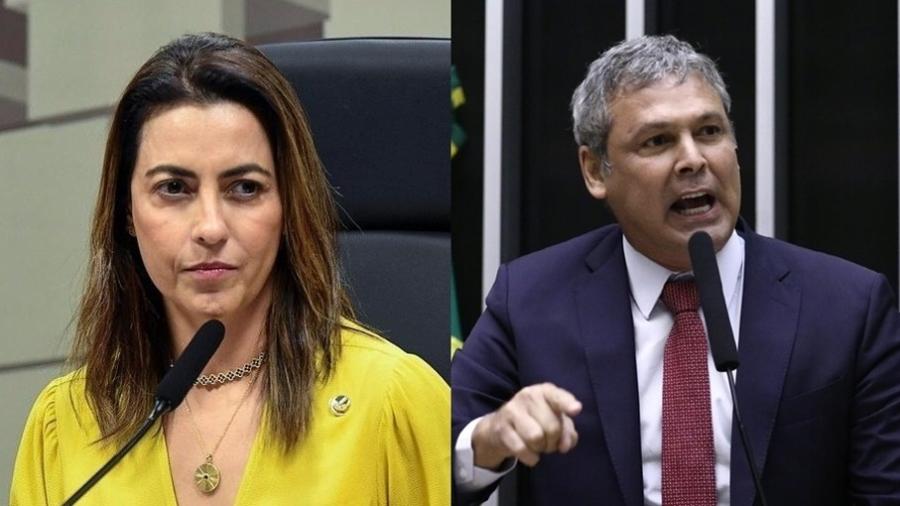
On March 27, during the reading of the final report of the CPI investigating irregularities at the INSS, Senator Soraya Thronicke and Deputy Lindbergh Farias formally denounced Deputy Alfredo Gaspar to the Federal Police. The accusation involved alleged rape of a vulnerable person years earlier and related attempts to conceal facts. At that moment, Gaspar, as rapporteur, was presenting a report that sought the indictment of Fábio Luís Lula da Silva, known as Lulinha, the son of President Luiz Inácio Lula da Silva. The report was later rejected by a majority aligned with the government.
According to data from official budget systems, the federal government subsequently committed approximately R$65.29 million in parliamentary amendments for Senator Soraya Thronicke. That amount represents more than 96 percent of all amendments the government had committed for her in 2026 up to the time of reporting. Of her total budgeted allocation of roughly R$74 million for the year, more than R$52 million had already been paid out.
At the time of the March denunciation, Gleisi Hoffmann, then linked to Lindbergh Farias, still held the ministry portfolio responsible for coordinating parliamentary amendments. In the months that followed, Thronicke publicly signaled closer ties to the government, including appearing alongside President Lula and reaffirming her candidacy for reelection.
Alfredo Gaspar has denied the accusations. Separate reporting has referenced a police legislative bulletin that raises questions about whether elements of the claim may have been fabricated. Gaspar later became the announced running mate of Flávio Bolsonaro for the 2026 presidential election.
These events raise legitimate questions about the intersection of serious criminal allegations, legislative investigations targeting the president’s family, and the subsequent allocation of substantial public resources. Conservative principles prioritize the rule of law, the integrity of public finances, and the rejection of any appearance that justice or budget decisions can be traded for political advantage. When an accusation of grave personal wrongdoing coincides with the neutralization of an investigative report and is followed by the release of tens of millions in amendments to one of the accusers, the sequence itself demands scrutiny.
Brazilian voters deserve institutions that separate the pursuit of justice from the distribution of public money. The facts on record—the timing of the denunciation, the content of the rejected CPI report, the scale of the later amendments, and the political realignments that followed—warrant careful examination rather than dismissal. Accountability requires that such patterns be examined openly, without favoritism toward any side.