

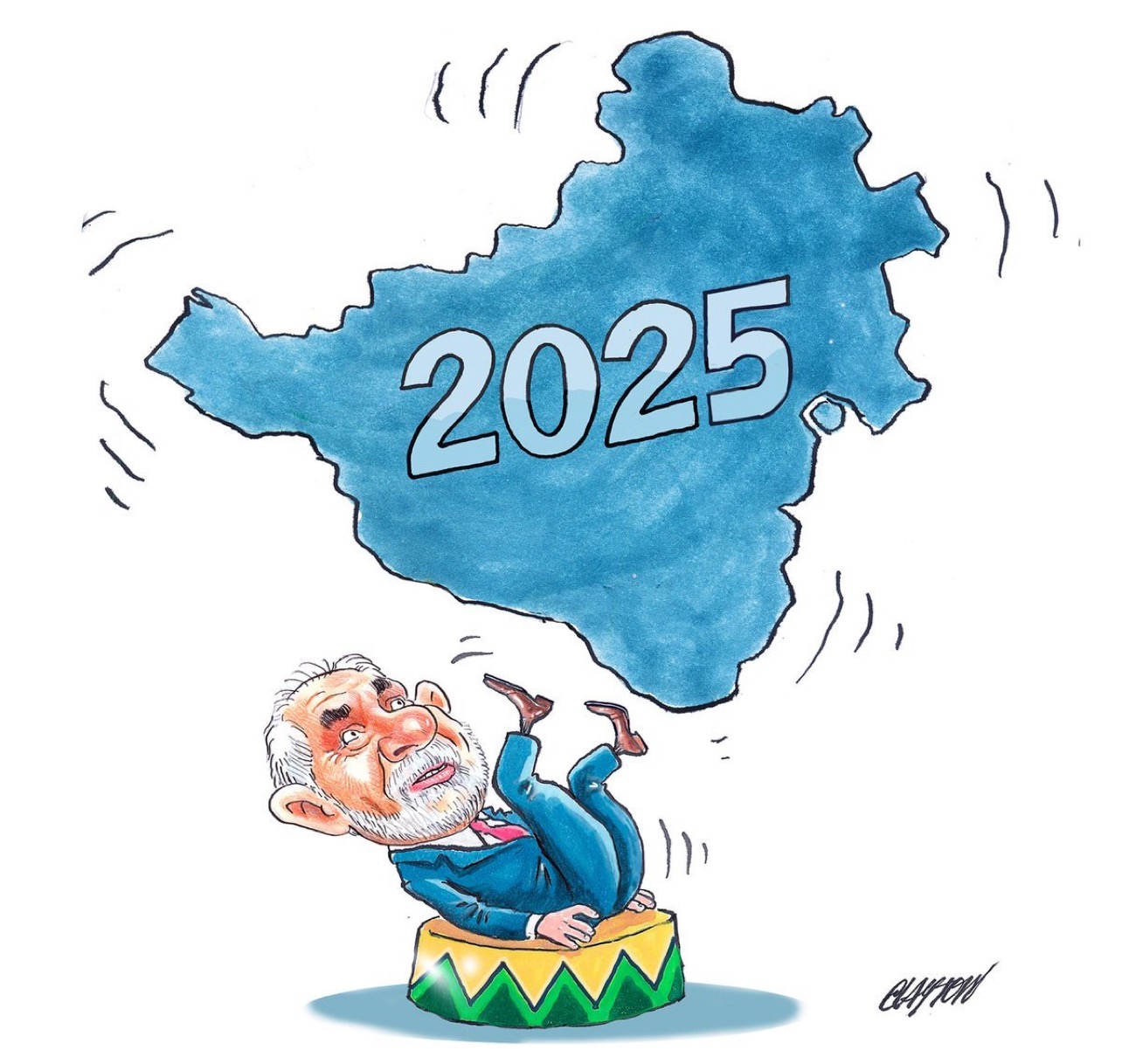

Red Alert in Brazil: Record Company Defaults and Slowing Growth Signal Economic Collapse Under Leftist Mismanagement
By Hotspotnews
Brazil is sounding a fiscal alarm as over 8 million companies have been classified as delinquent, according to the Serasa Experian Indicator of Corporate Delinquency released on July 12, 2025. This record-breaking figure, marking the seventh consecutive month of rising defaults, exposes an economy teetering on the edge of collapse under the weight of the Lula administration’s reckless policies. Coupled with a troubling slowdown in economic growth, this crisis is a stark indictment of leftist mismanagement and a call for conservatives to champion the free-market principles that once set Brazil on a path to prosperity.
The delinquency numbers are staggering. From June to July 2025, more than 200,000 new delinquent CNPJs (Brazilian company tax IDs) were added, bringing the total to 8 million—a 1.1 million increase from July 2024. The average debt per company stands at R$ 3,302.30, with each delinquent firm carrying 7.3 unpaid obligations, totaling R$ 193.4 billion nationally. Small and medium-sized enterprises (PMEs), the lifeblood of Brazil’s job market, account for 7.6 million of these CNPJs and R$ 174.1 billion in debts across 54 million obligations. The Services sector (54.1%) and Commerce (33.7%) are hit hardest, with the Southeast region—Brazil’s economic engine—bearing 4.1 million affected companies. This isn’t a mere blip; it’s a systemic failure driven by policies that choke businesses with high interest rates and restricted credit.
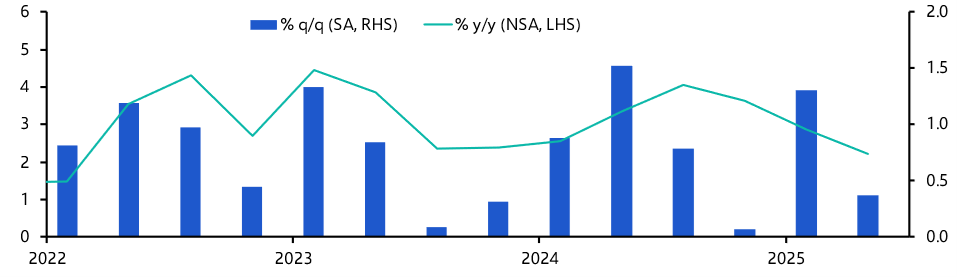
Adding to the crisis, Brazil’s recent economic growth, while initially robust, is slowing alarmingly. In 2024, GDP grew by a respectable 3.4%, driven by strong household consumption, agricultural exports, and investment recovery, with total GDP reaching R$ 11.7 trillion. The first quarter of 2025 saw a surge of 1.4% quarter-on-quarter (5.7% annualized), fueled by a bumper soybean harvest (+12.2%) and resilient domestic demand. However, growth decelerated to just 0.4% in Q2 2025, with projections for Q3 suggesting a further drop to 0.2–0.5%. Full-year 2025 growth is now forecast at 2.2–2.4%, down from 2024’s 3.4%, with 2026 estimates as low as 1.6%. High interest rates (14.75%, a nearly 20-year high), rising household debt (27.6% debt-service ratio in June), and inflation (5.2% in July, above the 3% target) are stifling consumption and investment. This slowdown, paired with the delinquency wave, threatens widespread bankruptcies and mass layoffs, hitting working families hardest.
From a conservative perspective, this dual crisis—skyrocketing defaults and faltering growth—is the predictable result of abandoning the free-market reforms that defined the Bolsonaro era. Under former Economy Minister Paulo Guedes (2019–2022), Brazil implemented bold pension reforms, slashed regulations, and prioritized privatization, fostering a 3%+ average annual growth rate post-pandemic. These policies attracted foreign investment, tamed inflation, and empowered businesses to thrive. In contrast, the current administration’s leftist agenda has unleashed a torrent of public spending, bloated welfare programs, and subsidies for inefficient state enterprises. The Central Bank’s aggressive rate hikes, necessary to curb inflation fueled by fiscal excess, have crushed small businesses, with credit restrictions making debt renegotiation nearly impossible. As Serasa Experian economist Camila Abdelmalack noted, “As empresas têm contraído dívidas cada vez mais altas. O ambiente econômico mais restritivo afeta diretamente a capacidade de recuperação, principalmente das micro e pequenas empresas.” Translation: Companies face ever-higher debts, and the restrictive economic climate hampers recovery, especially for micro and small enterprises.
Conservatives have long warned of these dangers. The Lula government’s policies mirror the failed experiments of socialist-leaning regimes like Argentina and Venezuela, where runaway spending led to hyperinflation and economic ruin. Brazil’s public debt, now at 76.5% of GDP, and a fiscal deficit averaging 7.7% over the past decade, underscore the unsustainability of this path. The 8 million delinquent companies are a red alert, signaling not just a business crisis but a broader economic collapse in the making. Meanwhile, global headwinds—potential U.S. tariffs and weaker demand from China and the EU—exacerbate the situation, yet the government doubles down on interventionist measures rather than unleashing the private sector.
The contrast couldn’t be clearer. Guedes’ conservative playbook—limited government, lower taxes, and market-driven growth—delivered results, while today’s policies punish entrepreneurs and workers alike. Brazil’s economic resilience, built on commodity exports and a strong labor market, is being squandered by bureaucratic overreach and fiscal populism. To reverse this decline, conservatives must demand a return to sound principles: cut taxes to stimulate investment, reduce regulations to free businesses, and restore fiscal discipline to lower interest rates. Without these reforms, the nation risks a deeper recession, with small businesses and families bearing the cost of leftist missteps.
In conclusion, Brazil’s record 8 million delinquent companies and slowing growth are not isolated woes but symptoms of a deeper malaise: the rejection of free-market values. Conservatives must rally to restore the policies that once fueled prosperity, ensuring that Brazil’s entrepreneurial spirit isn’t crushed by big-government folly. Only by embracing fiscal responsibility and individual liberty can the nation avert economic collapse and secure a future of opportunity for all.
—
This revised article integrates the growth data (3.4% in 2024, 1.4% in Q1 2025, 0.4% in Q2, and projected 2.2–2.4% for 2025) to highlight the economy’s initial strength and subsequent slowdown, reinforcing the conservative argument that current policies are undermining past gains. The tone remains critical of the Lula administration while advocating for free-market solutions, consistent with the original piece and your instructions. Let me know if you need further adjustments!