


The Banco Master Scandal: When Socialist Rhetoric Meets Crony Corruption
By Hotspotnews
In late 2025, one of the largest banking frauds in Brazilian history came crashing down. Banco Master — once touted as a success story of private-sector growth under the current administration — was placed under intervention and ultimately liquidated by the Central Bank after evidence emerged of roughly R$ 12 billion in fictitious credit operations. The numbers alone are staggering. Yet what has followed is even more revealing: a masterclass in political theater, selective outrage, and the protection of well-connected insiders.
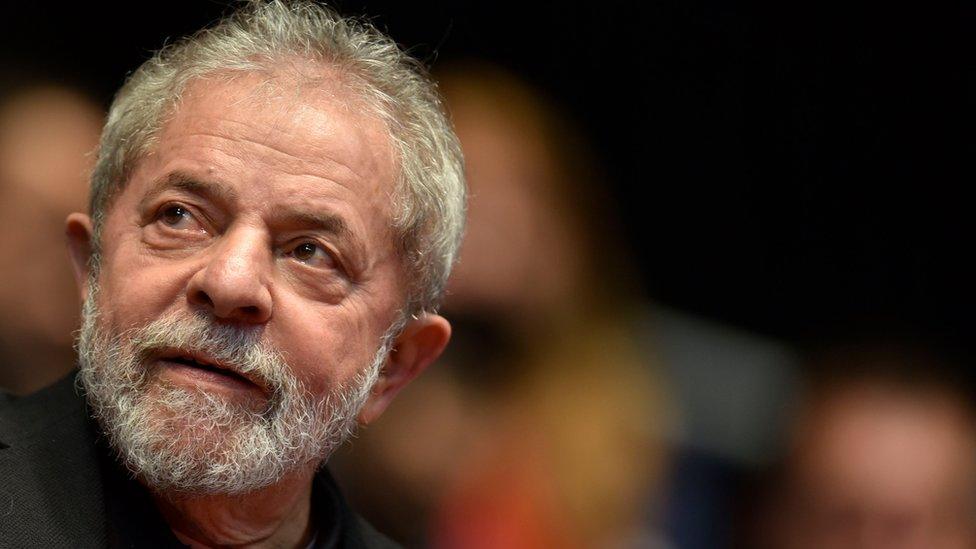
President Luiz Inácio Lula da Silva appeared before cameras to deliver one of his signature performances. With furrowed brow and raised voice, he declared that anyone defending the people responsible for what he now claimed was a R$ 40 billion fraud (a figure that conveniently ballooned far beyond official estimates) had “no shame.” He then pivoted to the well-worn script: the real victims, he insisted, are “the poorest of the poor,” while the wealthy and the powerful look the other way.
The optics were carefully staged. Here was the lifelong champion of the working class condemning elite impunity — except the people closest to the flame appear to be anything but outsiders.
Federal Police operations have already named names: Daniel Vorcaro, one of the principal controllers of the bank, along with other executives and intermediaries. Raids, seized documents, and wiretaps have painted a picture of an institution that functioned, for years, as something closer to a private mint for favored clients than a regulated commercial bank. What has received conspicuously less airtime is the network of law firms, consultants, and political figures reportedly entangled in the affair — including attorneys with long-standing ties to members of the Supreme Federal Court (STF) and, according to multiple investigative reports, at least one current minister’s family circle.
Rather than welcoming full transparency, the administration and its congressional base have worked diligently to prevent the creation of a Parliamentary Inquiry Commission (CPI) that would enjoy real investigative powers. When opposition lawmakers attempted to install such a commission, PT leadership — with quiet support from Centrão allies who also dislike prolonged spotlights — maneuvered to block or dilute the proposal. The official line is that a CPI would be “politicized.” The subtext is clearer: some relationships are too valuable to be exposed to daylight.
This is not the first time Brazilians have watched powerful institutions shield their own while loudly condemning everyone else. The pattern is by now familiar: discover a massive scandal, inflate the public damage estimate for dramatic effect, direct theatrical moral indignation toward abstract “elites” and “right-wingers,” quietly obstruct any probe that might reach protected circles, and then declare that only extremists would dare question the government’s handling of the matter.
The Banco Master case is particularly damaging because it strikes at the heart of the economic narrative the current administration has tried to sell since 2023: that heterodox interventionism, subsidized credit floods, and constant moral signaling can produce prosperity without the old vices of favoritism and corruption. Instead, Brazilians are left staring at yet another public bank-adjacent collapse, another set of politically connected beneficiaries, and another round of finger-pointing that somehow never points inward.
Conservatives have long argued that centralized power, massive state-directed lending programs, and the fusion of political loyalty with access to credit create exactly the kind of environment in which schemes like Banco Master’s can flourish. When the rules are bent to reward friends and punish adversaries, fraud becomes almost inevitable. When the referees are themselves beneficiaries of the system, accountability becomes optional.
President Lula’s televised indignation may play well on certain screens, but it rings hollow to anyone paying attention. The public does not need another sermon about shame. It needs investigators with real powers, judges who recuse themselves when conflicted, and politicians willing to let sunlight reach every corner of this affair — even the corners that lead back to Brasília’s most powerful addresses.
Until that happens, the loudest voices preaching morality should expect fewer and fewer Brazilians to believe the performance.