

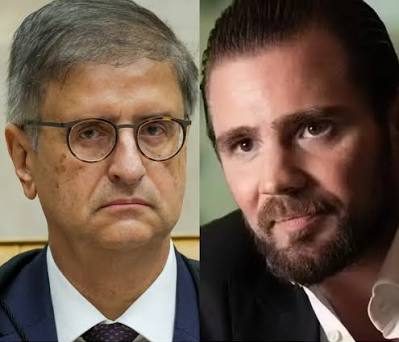

The Whisky-Fueled Shield: Brazil’s Top Prosecutor Parties with a Fraud Kingpin While Protecting the Elite when pro elite is the rule
By Hotspotnews
In the opulent private rooms of London’s George Club, Brazil’s most powerful legal figures raised glasses of rare Macallan whisky, all courtesy of a banker now rotting in prison for one of the biggest financial frauds in the nation’s history. The host? Daniel Vorcaro, the disgraced former controller of Banco Master. Among the guests sipping this multimillion-real extravaganza in April 2024 was Paulo Gonet, the Prosecutor General of the Republic.
This was no innocent legal mixer. Vorcaro’s operation footed the bill for an ultra-luxury whisky tasting, gourmet service, and full entertainment package—costing well over three million reais. At the time, his bank was already under clouds of suspicion for aggressive schemes that critics say skirted every rule in the book. Today, Vorcaro sits behind bars as Operation Compliance Zero unravels allegations of pyramid-style fraud, fake securities, money laundering, and deep corruption that drained ordinary investors of tens of billions.
Yet the man in charge of pursuing real justice—Paulo Gonet—has been anything but aggressive. Instead of charging forward with full transparency, Gonet’s office has slow-walked the case, resisted key confrontations, and shown reluctance on Vorcaro’s plea deal negotiations. To many on the right, the message is clear: protection for the powerful.
The Damning London Connection
The optics could not be worse. Gonet shared the room with Supreme Federal Court justices Alexandre de Moraes and Dias Toffoli, along with other insiders. Vorcaro wasn’t just another attendee—he was the sugar daddy bankrolling the entire lavish affair. In a country where hardworking Brazilians battle inflation, high taxes, and economic hardship, this scene of judicial and prosecutorial elites enjoying rare whisky paid for by a suspect screams captured institutions.
Conservatives have every right to ask: How can the chief prosecutor impartially investigate someone who just treated him to such hospitality? Gonet’s defenders call it a routine event. But when the investigator toasts with the investigated, public trust collapses. This is the very definition of conflict of interest, and it raises serious questions about whether Gonet can—or will—deliver real accountability.
Shielding Vorcaro and the Lula Network
Since the scandal broke wide open, Gonet has repeatedly dragged his feet. He opposed faster arrests, pushed back against critical evidence-gathering steps, and has treated Vorcaro’s potential plea deal with notable caution. This comes even as the case threatens to expose ties reaching into the political establishment, including allies and appointees linked to President Lula’s orbit.
Tensions with more aggressive voices, like Minister André Mendonça, highlight the divide. While some push for deeper probes into Supreme Court figures and political connections, Gonet’s team has cited “insufficient evidence” to close off lines of inquiry involving powerful justices. The pattern looks familiar: install a reliable figure as Prosecutor General, keep the investigations technical and narrow, and ensure nothing truly explosive touches the core of the system.
Vorcaro’s web allegedly reached politicians, Central Bank insiders, and judicial circles. A full, fearless plea deal could blow the lid off favoritism and influence peddling under the current administration. Instead of demanding maximum disclosure, Gonet’s approach feels like damage control—preserving the club at all costs.
Elite Impunity on Full Display
This scandal fits a larger story of institutional capture in Brazil. The Supreme Federal Court has expanded its power dramatically, often at the expense of democratic checks. Prosecutors and justices mingle with suspects at luxury events while everyday citizens suffer the consequences of financial scandals and eroded rule of law.
If Gonet believes in justice, he should step aside from any matter touching this circle and allow an independent review of the conflicts. The Brazilian people deserve prosecutors who chase truth without fear or favor—not gatekeepers guarding the elite after a night of expensive whisky.
The London party is over, but the questions remain. Why the delays? Why the reluctance? And who is really being protected? True accountability demands answers, not more excuses from those who should be serving the nation, not shielding its insiders. Brazil is watching—and growing tired of the same old protection racket dressed up as “procedural caution.”