

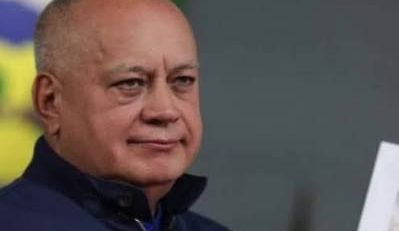

The Political Crisis Involving Diosdado Cabello and Interim President Delcy Rodríguez
By Hotspotnews
Diosdado Cabello, Venezuela’s powerful Interior Minister (and a longtime Chavista hardliner), remains a central figure in the country’s ruling structure even after Nicolás Maduro’s removal. His role and tensions with acting President Delcy Rodríguez highlight deep internal fractures within Chavismo amid the ongoing earthquake recovery and broader transition.
Who Is Diosdado Cabello?
Cabello is often described as one of the most influential “enforcers” in Venezuelan politics. As Interior Minister, he oversees police, justice, and internal security, with strong ties to the military, pro-government armed groups (colectivos), and the United Socialist Party (PSUV). He has a reputation for loyalty to the Bolivarian project, anti-opposition rhetoric, and behind-the-scenes power-broking. U.S. indictments have long linked him to alleged drug trafficking networks (though he denies wrongdoing).
The Current Political Crisis
Since the U.S.-backed ouster of Maduro in January 2026, Rodríguez has pursued pragmatic cooperation with Washington—including oil sector openings, aid coordination, and reforms—to maintain stability and avoid further upheaval. This has created visible strains within the ruling coalition:
- Internal Rivalries: Cabello and his allies represent a more hardline, resistant faction wary of concessions to the U.S. Reports describe him as a potential rival to Rodríguez, with influence over security forces that could complicate her agenda. Some analysts see risks of sabotage or unrest if his power is curtailed.80
- Earthquake Response Flashpoint: In the wake of the June 24 quakes, Cabello has been highly visible—addressing the public on state TV, visiting affected areas, and urging trust in the government. However, the response has drawn widespread criticism for slowness and disorganization. Some opposition voices and U.S. lawmakers accuse hardliners (including Cabello) of impeding full access for international aid or prioritizing control over rapid relief. U.S. figures have publicly called out Cabello as an obstacle.71
- U.S. Pressure: The Trump administration has reportedly warned Cabello to back Rodríguez or face consequences similar to Maduro’s. While cooperating on aid delivery, Washington continues to view him as a complicating factor in long-term goals.83
These dynamics reflect a broader “political crisis” within the interim government: Rodríguez is navigating U.S. demands and reform pressures while managing hardliner resistance to preserve Chavista continuity. Cracks have emerged publicly—disagreements over policy shifts, prisoner releases, and external ties—testing the unity that held after Maduro’s capture.
Implications
- For Stability: Cabello’s control of security tools makes him pivotal for short-term order during the humanitarian crisis, but his hardline stance risks prolonging tensions and slowing recovery.
- For U.S. Policy: This internal divide complicates Washington’s pragmatic bet on Rodríguez. It fuels debates over whether deeper engagement with opposition figures like Machado is needed for genuine change.
- Ongoing Risks: Earthquakes have amplified public frustration, with protests and jeering reported in some areas. How Rodríguez handles Cabello (and vice versa) could determine if the transition holds or fractures further.
The situation is evolving rapidly with recovery efforts. Cabello symbolizes the enduring hard core of Chavismo, while Rodríguez tries to steer a more flexible course under U.S. oversight. This tension is a key undercurrent in Venezuela’s current crisis. If you want this woven into the full article or more details on any aspect, let me know!