


The Tyranny of Power: Alexandre de Moraes’ Assault on Justice and Advocacy
In a move that sends chills down the spine of every defender of liberty, Brazilian Supreme Court Justice Alexandre de Moraes has once again overstepped the boundaries of judicial authority, striking a blow against the very foundations of a free society. On October 10, 2025, reports emerged that Moraes, with an iron fist, dismissed the defense lawyers for Filipe Martins and Marcelo Câmara, accusing them of attempting to delay proceedings in an ongoing STF case. This is not justice—it is the petulant tantrum of a man who cannot tolerate losing control.
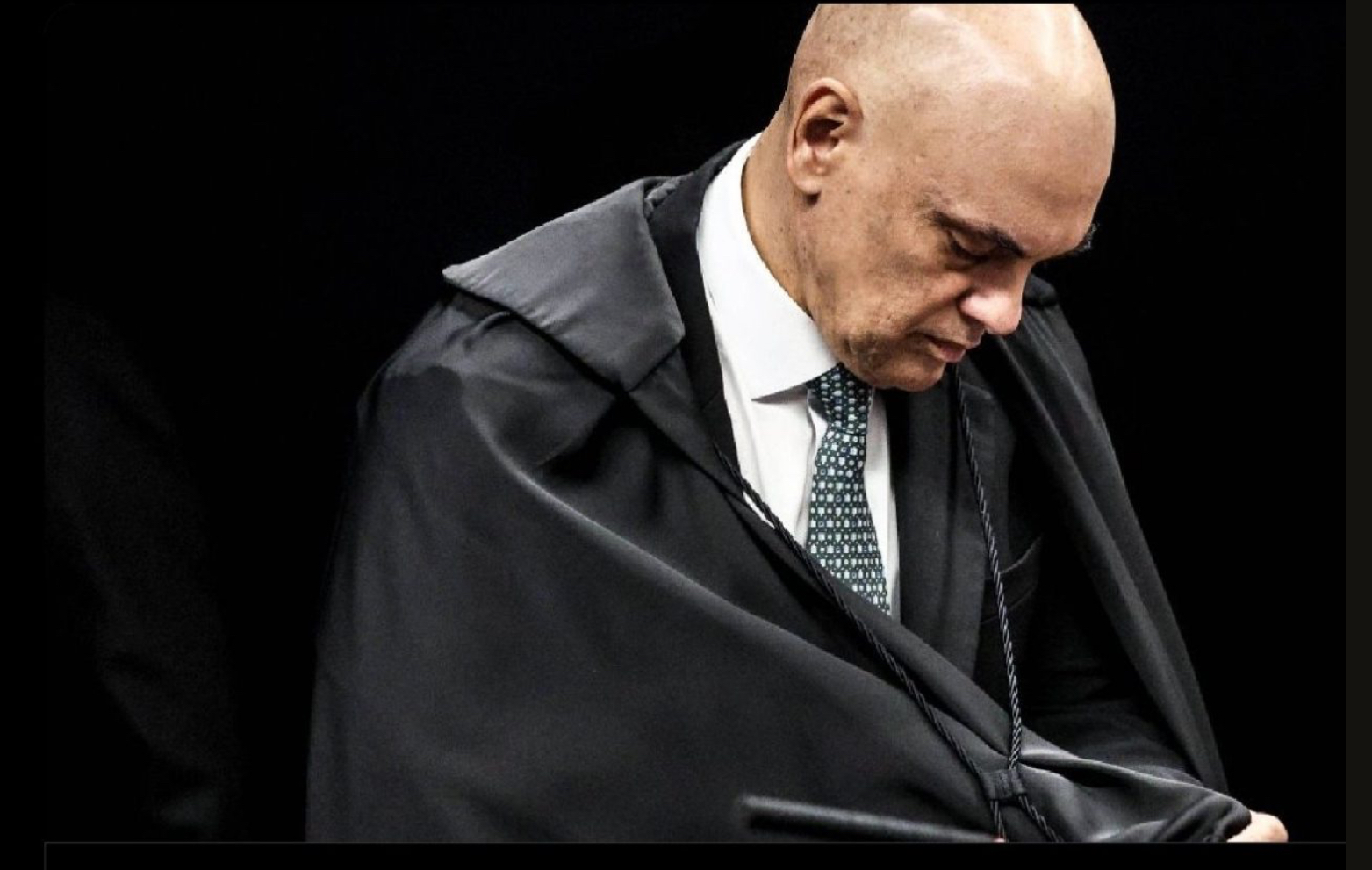
The image of Moraes presiding over this decision, as captured by the press, paints a grim picture: a judge not bound by law but by his own whims, wielding power like a dictator in robes. The justification? He deemed the lawyers’ actions “absolutely unusual” and a tactic to stall judgment. Yet, this excuse crumbles under scrutiny. The right to a robust defense is a cornerstone of any democratic system, and no judge—however high-ranking—should have the authority to arbitrarily strip a defendant of their chosen counsel. This is not about efficiency; it is about silencing dissent and bending the legal process to serve a political agenda.
Filipe Martins, a former advisor to ex-President Jair Bolsonaro, has long been a target of Moraes’ ire, ensnared in a case tied to alleged coup plotting—a charge Martins vehemently denies. The dismissal of his lawyers reeks of retaliation, a calculated move to weaken his defense and ensure a predetermined outcome. Marcelo Câmara, similarly caught in this judicial web, faces the same injustice. This is not the rule of law; it is the rule of one man, drunk on power and indifferent to the cries of the legal community.
The outrage is palpable, and rightfully so. Lawyers across Brazil, from seasoned advocates to young practitioners, are sounding the alarm. Social media platforms buzz with indignation, with voices like Dr. Paulo Faria and others decrying this assault on advocacy rights. They point fingers at the Ordem dos Advogados do Brasil (OAB) Nacional, led by President Beto Simonetti, accusing it of shameful silence. Where is the OAB’s defense of its members? Where is the stand against this judicial overreach? The organization’s inaction is a betrayal of its mandate, leaving lawyers vulnerable to a judiciary that increasingly resembles a kangaroo court.
This is not an isolated incident but part of a disturbing pattern. Moraes has been sanctioned by the United States for human rights abuses, including arbitrary detentions and violations of free expression—charges that echo in this latest outrage. His history of targeting political critics, issuing secret orders to censor social media, and undermining fair trials paints a portrait of a man who sees the law as a tool for personal vendettas rather than a shield for the people. Conservatives, in particular, see this as a direct attack on their values—freedom of speech, the right to a fair defense, and the separation of powers.
The stakes are high. If Moraes can dismiss lawyers at will, what’s next? Will he rewrite the Constitution to suit his desires? Will he imprison anyone who dares challenge his authority? The Brazilian people deserve better than a judiciary hijacked by one man’s ego. The OAB must rise to the occasion, demand accountability, and protect the integrity of the legal profession. Congress must investigate this abuse of power, and the public must not remain silent.
This is a call to arms for all who cherish liberty. Alexandre de Moraes’ actions are a warning: when power goes unchecked, justice dies. The fight to restore it begins now.