

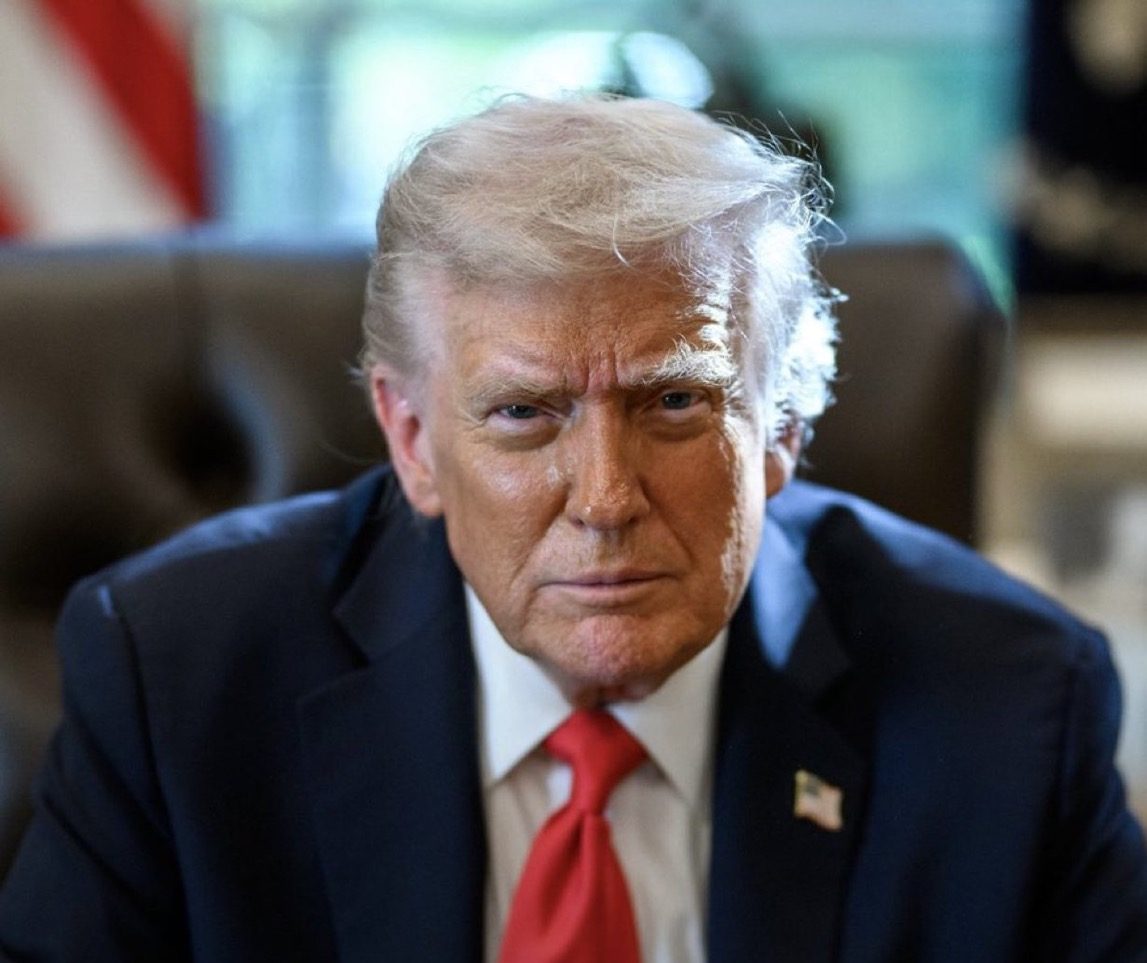

The White House’s Election Integrity Push: Key Points from the Recent TRUMP Announcement
On July 17, 2026, the White House posted a stark alert on X (formerly Twitter) with a red siren emoji linking to a dedicated page on election integrity. This followed President Donald Trump’s July 16 address to the nation, where he highlighted “free and fair elections” as a critical issue and described upcoming revelations as “really, really big news.”
The page serves as a centralized resource summarizing the administration’s assessment of vulnerabilities in the U.S. electoral system. It draws on declassified intelligence assessments, investigative findings, and reports spanning January 2020 to June 2026. Here is an analysis of its principal points.
1. Fundamental Importance of Election Integrity
The core thesis is that secure elections are essential to democratic trust. Post-2020 concerns about irregularities prompted detailed reviews of voting processes, data security, and registration practices. The page frames these issues as ongoing threats rather than resolved matters.
2. Vulnerabilities in Voting Infrastructure
Declassified U.S. Intelligence Community assessments indicate that electronic voting machines, ballot-counting systems, and centralized data repositories (such as voter registration databases and pollbooks) are susceptible to cyberattacks. Adversaries including Russia, China, Iran, North Korea, and non-state actors have the capabilities to exploit them. The materials emphasize that foreign access could disrupt election processes or alter outcomes subtly.
3. China’s Alleged Large-Scale Data Compromise
A major focus is China’s reported acquisition of approximately 220 million U.S. voter files during the 2020 cycle. These files reportedly included names, addresses, phone numbers, political affiliations, and other sensitive details. The page claims a dedicated Chinese data exploitation unit handled the project and that U.S. agencies identified compromises affecting tens of millions of voters across 18 states. It alleges this information was suppressed internally at the time.
A central claim is that China carried out “the largest compromise of election data in history” during the 2020 cycle by acquiring approximately 220 million U.S. voter files. These included names, addresses, phone numbers, political party preferences, and other sensitive data. The page states that a dedicated Chinese data exploitation unit was assigned to the project and that U.S. spy agencies learned in 2020 of compromises affecting tens of millions of voters across 18 states — information allegedly suppressed by elements of the “Deep State.”
Intelligence reporting is cited regarding a Venezuelan plot under the Maduro regime to digitally manipulate 2020 vote totals in undetectable ways. This fits into a broader pattern of alleged foreign meddling aimed at undermining U.S. democracy.
4. Domestic Fraud Investigations — The Michigan Case
The page details a 2020 Michigan voter registration operation investigated by state police. Allegations include canvassers signing forms in others’ names, submitting fraudulent registrations, and receiving incentives. Federal authorities reportedly viewed crimes as having occurred, but prosecution was allegedly delayed under the prior administration. The current directive is for the FBI (under Director Kash Patel) and DOJ to pursue full investigation and prosecutions.
5. Noncitizen Registration and Voter Roll Issues
A Department of Homeland Security review identified approximately 278,000 noncitizens registered to vote in federal elections. The page notes that the actual number is likely higher because some Democrat-led states refused to share voter files. Broader problems cited include dead people on rolls, lack of voter ID or proof-of-citizenship requirements in various jurisdictions, and the scale of mail-in ballots (tens of millions).
Overall Assessment of the System
The page describes the election system as “broken and vulnerable,” with hundreds of millions of U.S. voter files in foreign hands, systems exposed to hacking, evidence of fraud allegedly buried, ineligible voters on rolls, and insufficient safeguards.
Administration Actions and Policy Direction
The page does not announce a brand-new executive order but highlights ongoing efforts:
• Declassification and public release of intelligence assessments and investigative documents (available as ZIP archives in categorized sections).
• Directives to federal agencies (e.g., FBI/DOJ) for aggressive investigation and prosecution of fraud.
• Continuity with earlier 2026 actions, such as the March 31 Executive Order on “Ensuring Citizenship Verification and Integrity in Federal Elections,” which focuses on providing states with citizenship data, secure ballot envelope identifiers, and prioritization of fraud prosecutions. whitehouse.gov
A mailing list signup invites the public to receive updates on new findings and next steps.
7. Overall System Assessment and Broader Problems
The materials describe the election system as “broken and vulnerable,” citing foreign-held voter data, hackable systems, suppressed fraud evidence, ineligible voters, and reliance on expansive mail-in processes. The administration argues these issues erode public confidence and require structural fixes.
Actions and Next Steps
The page highlights the release of supporting documents (organized by category for public access) and ongoing enforcement efforts. It builds on earlier 2026 measures, such as executive actions focused on citizenship verification, secure ballot tracking, federal data sharing with states, and prioritization of fraud prosecutions. A public mailing list is offered for updates on new findings.
Analysis and Implications
This initiative represents a systematic effort to publicize previously classified or under-emphasized information while justifying reforms. Strengths include specific statistics, references to intelligence reporting, and concrete examples that aim to move the discussion beyond general claims. It aligns with the administration’s emphasis on sovereignty, citizenship requirements, paper records, and limited mail-in voting.
Critics may view the framing as partisan or revisit longstanding debates over 2020 certifications and audits. However, the declassifications and directed investigations signal an intent for greater transparency and accountability moving forward.
In the context of Trump’s recent address and the broader “Golden Age” agenda, this page underscores election security as a top priority. It seeks to restore trust through sunlight on vulnerabilities and proactive federal-state collaboration. The ultimate impact will depend on verification of the released materials, state cooperation, and any resulting legislative or administrative changes. This effort positions election integrity as foundational to the administration’s vision of strengthened democratic processes.