


Trump Administration Draws Clear Line: US Tariffs on Brazil Target Unfair Trade and Censorship, Not Bolsonaro Family Ties
By Hotspotnews
In a refreshing display of principled foreign policy, the United States has firmly decoupled any association with former Brazilian President Jair Bolsonaro’s family from its ongoing trade disputes with Brazil. This move underscores the Trump administration’s commitment to reciprocity, free speech, and fair economic dealings rather than playing favorites in foreign political dramas.
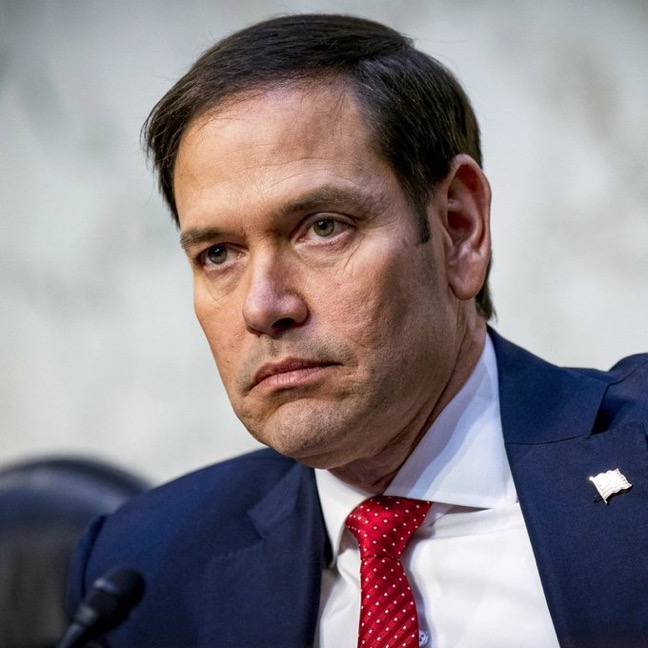
During recent congressional hearings, USTR Jamieson Greer and officials including Secretary of State Marco Rubio made it explicit: there were no special meetings or backchannel deals involving Senator Flávio Bolsonaro. The tariffs stem from legitimate grievances against Brazil’s practices that harm American businesses and undermine fundamental liberties. Brazilian courts have repeatedly slapped massive daily fines on American tech companies for refusing to censor content at the government’s behest. These judicial overreaches, often aimed at conservative voices and Bolsonaro supporters, represent exactly the kind of authoritarian digital control that conservatives in America have long warned against.
For too long, Brazil under President Lula da Silva has pursued policies that burden U.S. commerce while cracking down on dissent. Issues like the restrictive PIX payment system, lax enforcement on illegal deforestation that affects global markets, and anti-competitive barriers have fueled the Section 301 investigation. The proposed 25 percent tariffs are not about punishing political allies but about demanding fairness. American farmers, manufacturers, and tech innovators deserve protection from nations that demand open access to U.S. markets while erecting walls at home and weaponizing their judiciary against free expression.
This clarification comes at a critical time for Brazil, heading into high-stakes elections where Flávio Bolsonaro stands as a leading voice for limited government, strong alliances with the United States, and resistance to socialist policies. By rejecting any narrative that ties trade enforcement to Brazilian domestic politics, the Trump team sends a powerful message: America’s trade policy serves American interests first. It rejects the left’s habit of framing every tough stance as personal vendetta or interference.
Conservatives understand what’s at stake. When foreign governments harass American platforms for hosting dissenting opinions—much like the battles fought here against Big Tech bias—the proper response is strength, not appeasement. The Bolsonaro family has endured years of legal persecution that many view as lawfare designed to sideline a popular conservative leader. America’s decision to base its actions on evidence, not optics, highlights the contrast between serious governance and politicized persecution.
As negotiations continue ahead of the mid-July deadline, this straightforward approach reinforces U.S. leverage. It protects American workers from unbalanced trade while standing against censorship that threatens liberty worldwide. In an era where globalist elites blur lines between economics and ideology, the Trump administration’s clarity is a welcome return to putting America—and the values of freedom—it represents first.