


Trump Condemns Brazil’s Political Persecution of Eduardo Bolsonaro: Exposing Lula’s Hollow “Sovereignty” Shield
By Hotspotnews
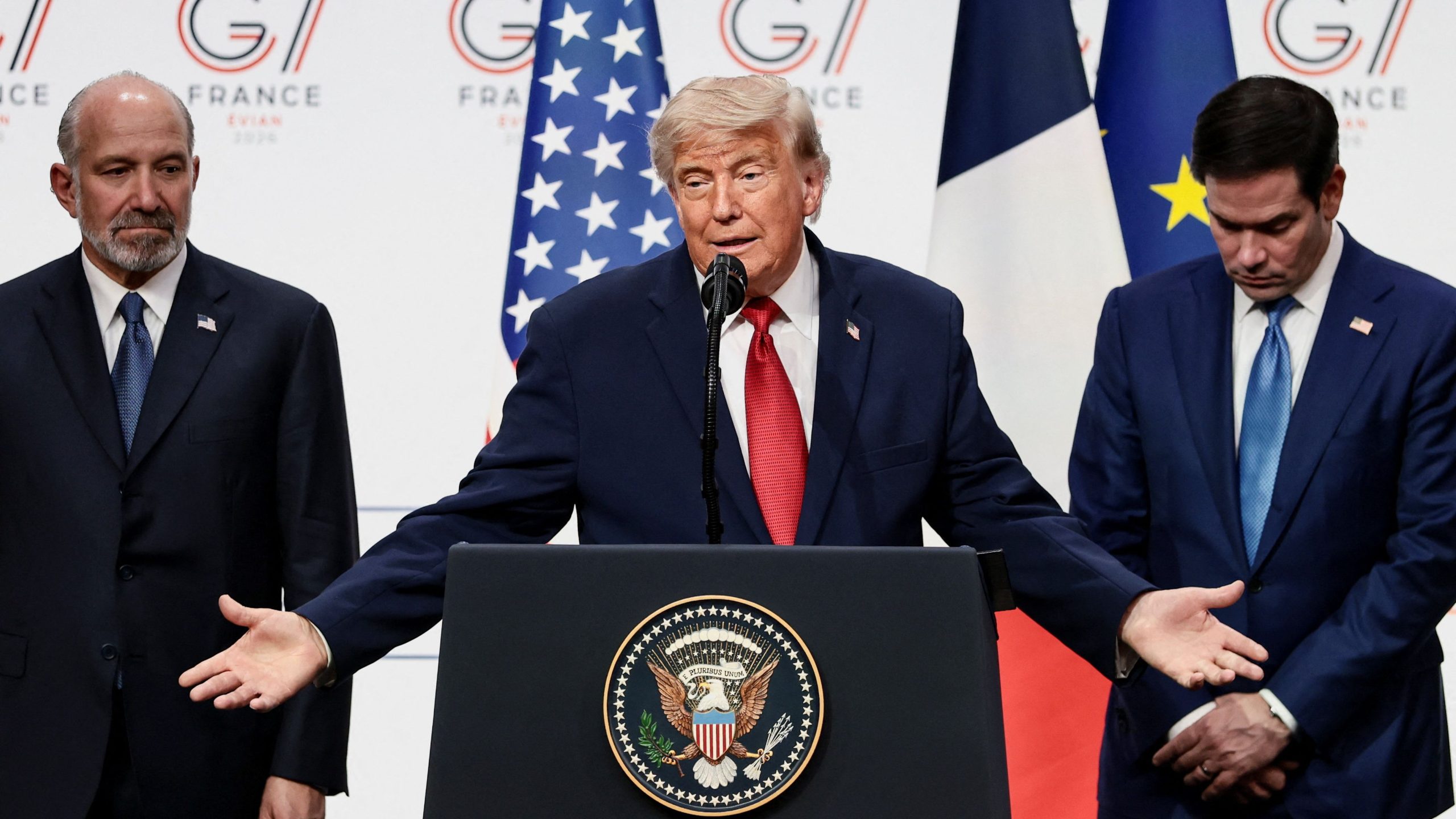
President Donald J. Trump has once again stood up for fairness and against the weaponization of justice, sharply reacting to the Brazilian Supreme Court’s conviction of Eduardo Bolsonaro. The court sentenced the son of former President Jair Bolsonaro to four years and two months in prison for the supposed “crime” of lobbying American leaders—including President Trump—to push back against the politicized witch hunt targeting his family. Trump rightly called Brazil “a rough country, politically… a little dangerous politically,” noting Eduardo was polling well before this latest move. “They play pretty tough,” Trump observed, signaling that the United States will not tolerate such authoritarian tactics from supposed partners.
This conviction reeks of lawfare: a calculated effort by Lula’s allies to silence conservative opposition ahead of Brazil’s critical elections. Eduardo’s actions were straightforward advocacy—seeking sanctions and tariffs to pressure judges like Alexandre de Moraes, who has led aggressive actions against Bolsonaro supporters. Far from treason, it was a legitimate appeal to America’s commitment to liberty and due process. Trump, drawing from his own experiences battling deep-state lawfare, has consistently labeled these proceedings a “witch hunt.” His administration’s use of tariffs and leverage serves as a principled response to defend allies who champion true sovereignty and reject rigged systems.
Lula’s response is the predictable invocation of “Brazilian sovereignty” as an impenetrable shield. In Lula’s framing, sovereignty means Brazil’s absolute right to handle its internal judicial and political affairs—especially high-profile cases against Jair Bolsonaro, his family, and supporters—without any foreign criticism, sanctions, tariffs, or lobbying from the United States. He insists these convictions uphold the “rule of law” and democratic order, rejecting U.S. concerns as arrogant interference or blackmail. Lula has declared that while trade and other issues may be negotiable, “Brazil’s democracy and sovereignty are not on the table.” He portrays American pressure as treating Brazil like a subordinate nation rather than an independent power, all while his government pursues closer ties with China and other competitors.
This selective defense of sovereignty exposes the hypocrisy. Lula’s Brazil claims the right to jail political rivals and their families under the guise of justice, yet it routinely engages in international forums to lecture others. True sovereignty respects democratic norms, free speech, and fair elections—not the imprisonment of opponents polling strongly or the silencing of voices calling out judicial overreach. Eduardo Bolsonaro’s “offense” was simply asking America to stand for liberty in the hemisphere. Trump’s clear-eyed realism recognizes this for what it is: an attempt to crush conservatism in Brazil ahead of elections.
Conservatives understand the stakes. Trump’s America First approach demands reciprocity in trade and alliances. It refuses to subsidize nations that undermine shared values of freedom while hiding behind sovereignty rhetoric to enable domestic repression. Lula’s government faces real challenges—economic struggles, crime, and governance failures—but responds by deflecting blame outward and targeting dissenters at home.
President Trump’s declarations cut through the noise. He will not be silent as leftist courts dismantle opposition in our backyard. By calling out the danger, supporting principled allies, and maintaining leverage, Trump reinforces American strength and moral clarity. In contrast, Lula’s hollow sovereignty shield reveals weakness and fear of accountability. As Brazil moves toward its elections, Trump’s stance ensures the United States remains a beacon for genuine liberty, not an enabler of socialist strong-arm tactics. This is conservatism in action: realism abroad, unapologetic defense of freedom at every level.