

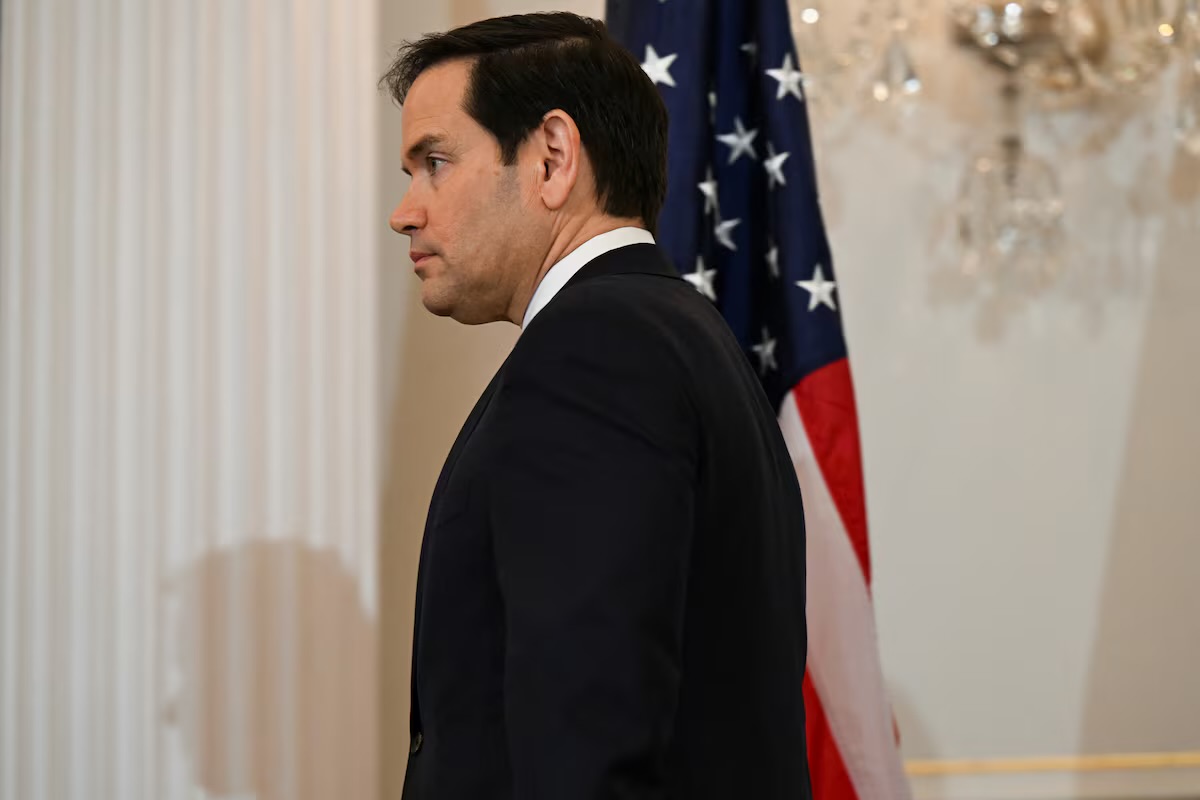

The U.S. determination that nine Americans are wrongfully detained in Venezuela, as announced by Secretary of State Marco Rubio on March 3, 2025, and reiterated by a State Department spokesperson on March 7, 2025, reflects a significant escalation in diplomatic tensions between the United States and the Venezuelan government under Nicolás Maduro. This designation is not merely a statement of concern but a formal classification that shifts responsibility for these cases to the Special Presidential Envoy for Hostage Affairs, elevating their political priority and unlocking additional resources to secure their release. Below is an analysis of the situation based on available context, implications, and underlying dynamics.
-Timing and Recent Events
The determination follows a period of strained U.S.-Venezuela relations, particularly after Maduro’s disputed re-election in July 2024, which the U.S. and much of the international community rejected as illegitimate. The arrests of these nine Americans reportedly occurred between late August 2024 and January 2025, with seven detained after a visit by U.S. envoy Richard Grenell in late January 2025 (which secured the release of six other Americans) and two arrested subsequently. This suggests a pattern of detentions tied to political unrest or perceived foreign interference following the election.
Venezuelan Government’s Stance
Maduro’s regime has consistently accused detained Americans of involvement in “terrorist plots” or destabilization efforts, often framing them as mercenaries or extremists. These claims align with the government’s broader narrative of blaming external forces—particularly the U.S.—for Venezuela’s economic and political crises. No immediate response from Venezuela’s communications ministry was noted, indicating either a delay in official reaction or a strategic choice to downplay the U.S. announcement.
Identities and Circumstances
While the State Department has not publicly named the nine individuals, one identified case is Lucas Hunter, a 37-year-old French-American citizen detained near the Venezuela-Colombia border. His case exemplifies how some detentions may involve Americans caught in ambiguous circumstances, potentially exploited by Venezuelan authorities for political leverage.
Implications of the “Wrongfully Detained” Label
– Diplomatic Leverage**: By classifying these detentions as wrongful, the U.S. signals its intent to prioritize their release, potentially through negotiations, sanctions, or public pressure. This label 4h 44&h is h, as seen in prior U.S. negotiations with Venezuela (e.g., the release of six Americans in January 2025).
-Escalation Risk. This move could heighten tensions with Maduro’s regime, which may interpret it as an affront to its sovereignty. Given Venezuela’s alliances with Russia, China, and Iran, the U.S. must weigh the risk of pushing Maduro closer to these adversaries.
### Underlying Dynamics
– **Political Context in Venezuela**: The detentions occur against a backdrop of domestic repression following the 2024 election protests, with over 2,200 people reportedly detained, including at least nine U.S. citizens or residents. Maduro’s government may be using these Americans as bargaining chips to counter U.S. sanctions or secure concessions, such as the repatriation of Venezuelan migrants—a key focus of Trump administration envoy Richard Grenell’s earlier talks.
– U.S. Policy Shifts**: Under the Trump administration, which resumed office in January 2025, there’s a clear pivot toward a harder line on Venezuela, evidenced by the termination of Temporary Protected Status for Venezuelan migrants and increased deportation efforts. The wrongful detention designation aligns with this tougher stance, contrasting with the Biden administration’s brief rollback of sanctions in pursuit of electoral promises from Maduro.
-Human Stories**: Cases like Lucas Hunter’s highlight the personal toll. His proximity to the border during travel suggests some detentions may stem from incidental encounters rather than orchestrated plots, yet the Venezuelan narrative amplifies these incidents for propaganda purposes.
Critical Examination
Evidence Gaps
Neither the U.S. nor Venezuela has publicly detailed the specific charges or evidence against the nine Americans beyond broad accusations. This opacity fuels competing narratives: the U.S. claims unjust detention, while Venezuela alleges terrorism. Without transparent data, both sides’ assertions remain suspect.
Consistency of U.S. Approach
The U.S. has a history of designating detentions as wrongful to pressure adversarial regimes (e.g., Russia, Iran), but the timing of this determination—months after some arrests—raises questions about prior inaction or strategic delay until Rubio’s tenure began.
Venezuela’s Motives
Maduro’s regime has little incentive to release these Americans without significant concessions, given its reliance on anti-U.S. rhetoric to rally domestic support. The lack of immediate Venezuelan response might indicate internal deliberation on how to counter or exploit this move.
The U.S. determination that nine Americans are wrongfully detained in Venezuela underscores a volatile intersection of diplomacy, human rights, and geopolitics. It positions these individuals as pawns in a broader struggle between Washington and Caracas, with their fate likely tied to negotiations over migration, sanctions, or political prisoners. While the U.S. seeks their immediate release, success may hinge on offering Maduro something tangible—be it eased pressure or a face-saving deal—amid a relationship marked by mutual distrust. The situation warrants close monitoring, as it could either de-escalate through quiet diplomacy or spiral into a louder confrontation depending on both sides’ next moves.
Hotspotnews
Laiz Rodrigues
Photo: BBC