Close Menu

    Subscribe to Updates

    Get the latest creative news from HOTSPOT ORLANDO NEWS about , politics, health, tourism and business.

    What's Hot

    USA: Congress Is Not Absolute and Not as Powerful as the President

    4 de November de 2026

    Eduardo Bolsonaro Breaks the Silence

    4 de November de 2026

    The Case of Filipe Martins: A Conservative Assessment of Brazil’s Judiciary

    4 de November de 2026
    Facebook X (Twitter) Instagram
    Facebook X (Twitter) Instagram
    HotspotOrlandoNewsHotspotOrlandoNews
    • Home
    • Brazil
    • Business
    • Politics
      1. Elections
      2. View All

      Brazil: Cutting Brasília, Not the Brazilian People Says Daniella

      15 de October de 2026

      Lula’s Economic Mismanagement Triggers Record Wave of Brazilian Business Failures

      28 de March de 2026

      Flávio Bolsonaro’s Uncompromising Vision. Cleaning up Lula’s mess

      10 de March de 2026

      Record R$1 Trillion Interest Payments Expose Lula’s Spending Spree

      31 de January de 2026

      Eduardo Bolsonaro Breaks the Silence

      4 de November de 2026

      Divided Government in Washington and the Outlook for U.S.-Brazil Relations

      4 de November de 2026

      America’s Door Remains Open: Rubio’s Clarity Stands for Liberty in the Americas

      1 de November de 2026

      Trump Stands Firm: Flávio Bolsonaro Welcome in America for as Long as He Wants

      31 de October de 2026
    • Economy

      THE NUMBERS DON’T LIE OR HIDE LULA’S INCOMPETENCE

      21 de October de 2026

      Brazil: Cutting Brasília, Not the Brazilian People Says Daniella

      15 de October de 2026

      When Businesses Sink: Comparing Brazil’s Last Two Administrations

      29 de August de 2026

      Brazil’s Deepening Ties with Iran Collide with Trump’s Economic D-Day

      20 de August de 2026

      Brazil’s Debt Explosion: Lula’s Third Term Leaves a Fiscal Wreck

      17 de August de 2026
    • Tech
    • Behavior
    • USA
    • World
    • Summit 2026
    HotspotOrlandoNewsHotspotOrlandoNews
    Home » USA: Congress Is Not Absolute and Not as Powerful as the President
    Government

    USA: Congress Is Not Absolute and Not as Powerful as the President

    HotspotorlandoNewsBy HotspotorlandoNews4 de November de 2026No Comments3 Mins Read
    Facebook Twitter Pinterest LinkedIn Tumblr Email
    Signature: nK8WWarrACPNlaRjLxNKlTUqiWcjCT6cTjHres/2tMLS2+lumO+YmNtVCprjKCePFpSLxAQXlNsEPqpoyPg7QYFX6P65G3ngzlCYClR7+MmAdFHJQlPuqeM0rd7TqM/DpqI4IcBueCcmrE0Bj1/63cklsncRy4qCW7POq5If0JnK9e8a7ENaO96qzxV13RYFPaEbhc2TAst174FY7bZUJ7sr74xiFW7ga5l/SkDBcw58tgGElFMTtQ0Kz3w5lXQqYPlsPYURuBCgO/hhDOKue/boTkqRFsimbgjbkJc+eMn+zvpxpOoafY7xp9DBzD+vcCpI1mbQQifuyzohqGdaSOJW6XCPMqji/80UM59473S3esmlVzQC9mUmFnY2fhLcFIRM2uX33GPMi/jXe+1xCPi/FVZL8dfoqYtwViRBjktSJhQE9tZ3stoJd4xywyoHt/IWf3bOMFXs9Tt9molZkx8AIDOKje4NhZB9V8NyisVmHTI03xuh0W0rYSW/gpcFUohnIVSjDqGiGE0TPSI/aaSHZyGz2M3Bi/HKMryckeYq+X4CmmKRoDbhBxSOAFCkSj920KOEM13dOMJ1wd4V13A6l6DzRHi/GM3M2u7Fo6sxI0HgPBtJNm0Bg8dB6lyZsKgN7vp+l+ic50SVFbdShL4G5DRK3OiRjKAaF35bWZ+aDSGa57F0UKiE85tE9ylPa40eD/IZAJ+6c1RdA/cYL9NmcskJ4Gnkqn+niGz8M1WQtNAuuh9q1qw4JHBeDjhsoQ4SJjklyvTNB+oNSK9NK1xXQjh2o78YYfe6SGxnYUqsdGhVXsdE1sc4cu5xxRQNburP/S8hXdIPDwhZJ2fckOvJdP+fShTO2SKdT+jLouRomfzH7qUrHELVSQmKvBSWLSz0GNWxpYgYWNbMitLZc4lq7Yjo7ySb7U+0oCIuSS6x02tJ4Ez3kVvEb+eDZVSlNXyjtq2/eAzxPfPiq4NSwsnZSICt43T2zB/vP1Ra4Nk=
    Share
    Facebook Twitter LinkedIn Pinterest Email

    Congress Is Not Absolute and Not as Powerful as the President

    By Hotspotnews

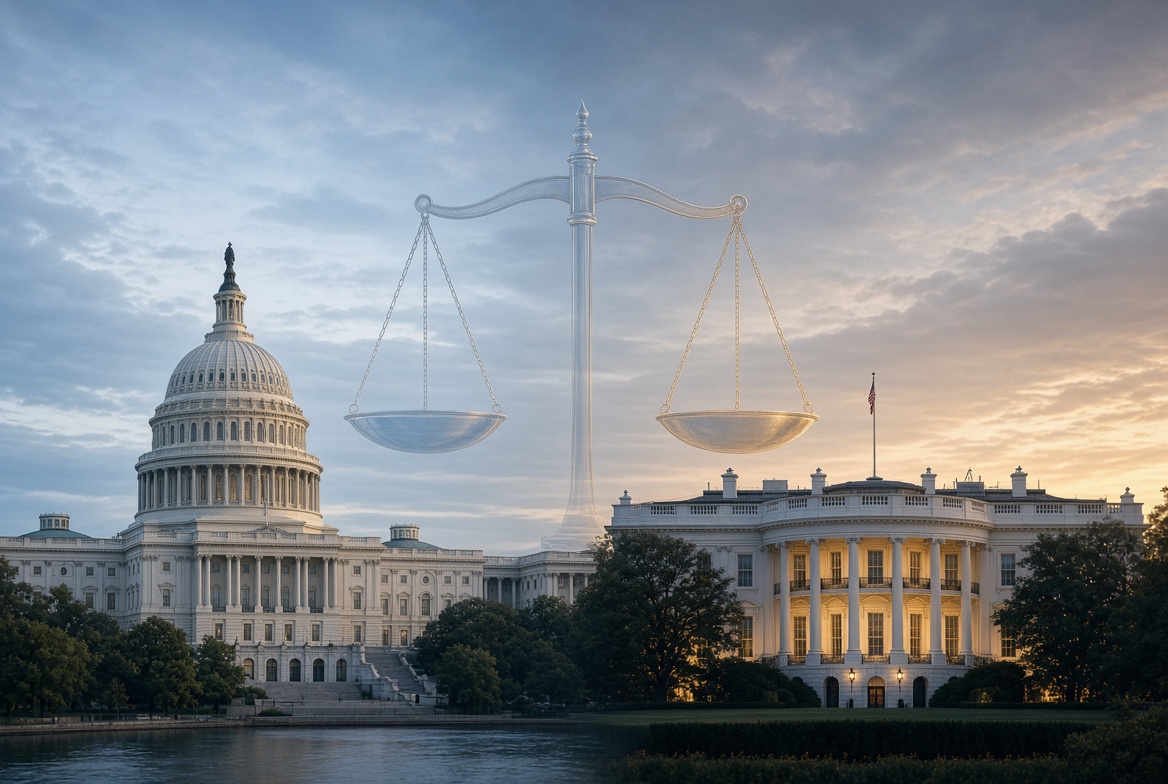
    The United States Constitution does not establish Congress as the supreme branch of government. It creates a system of separated powers in which the President and Congress each possess distinct authorities, along with mechanisms to check one another. While Congress holds important tools that can constrain the executive, it does not hold absolute power, nor does it generally outweigh the President across the full range of governing responsibilities.

    The Constitution vests the executive power in the President and assigns specific roles that operate independently of congressional approval. The President serves as Commander-in-Chief of the armed forces, with authority to direct military operations and deployments. The pardon power for federal offenses rests solely with the President. The power to recognize foreign governments and to conduct the nation’s diplomacy also belongs primarily to the executive. These authorities allow the President to act in national security and foreign affairs without first securing new legislation. In practice, this means that when Congress is controlled by the opposition, a President can still set priorities, impose certain sanctions, pursue diplomatic initiatives, and manage the operations of the executive branch.

    Congress’s strongest powers lie elsewhere. It alone can appropriate federal funds, pass legislation, confirm senior officials and judges, and conduct oversight. These tools give Congress substantial leverage over spending and the domestic agenda. A hostile Congress can slow or block new laws, attach conditions to appropriations, delay nominations, and investigate administration actions. Yet these powers are not unlimited. Congress cannot compel the President to reverse executive decisions in areas of exclusive presidential authority, nor can it spend money or enact statutes without either presidential signature or a veto-proof majority. The power of the purse constrains but does not command the executive.

    Under divided government, the practical balance shifts rather than reverses. When the opposition controls both chambers, the President’s ability to advance major domestic legislation declines sharply, and funding disputes become more frequent. At the same time, the President’s independent powers in foreign policy and national security become relatively more important, because those domains require less new statutory authorization. Historical experience shows that presidents facing an opposition Congress do not become subordinate; they adjust by relying more heavily on executive tools while Congress uses its own authorities to limit, investigate, and negotiate.

    The Constitution therefore rejects the idea that either branch is absolute. Congress possesses formidable checks, particularly over money and lawmaking, but it does not hold superior power over the President as a general matter. The President retains significant independent authority, especially in foreign affairs and as head of the executive branch. The resulting system produces tension and bargaining rather than dominance by one side. That tension is a feature of the design, not evidence that Congress outranks the President.

    Share. Facebook Twitter Pinterest LinkedIn Tumblr Email
    HotspotorlandoNews
    • Website
    • Facebook
    • X (Twitter)
    • Instagram
    • LinkedIn

    Related Posts

    Divided Government in Washington and the Outlook for U.S.-Brazil Relations

    4 de November de 2026

    CPAC at Mar-a-Lago: Could the Bolsonaro Family Be Building a New International Front

    2 de November de 2026

    America’s Door Remains Open: Rubio’s Clarity Stands for Liberty in the Americas

    1 de November de 2026
    Leave A Reply Cancel Reply

    Our Picks

    Shakira in Rio: the biggest party of the year

    3 de May de 2026

    Lula is Desperate and Panics as Flávio Bolsonaro Surges to Victory

    15 de April de 2026

    The Storm Brewing in Brasília: Vorcaro’s Imminent Confession and the Elite’s Panic

    21 de March de 2026

    Moraes’ Vicious Snub: Bolsonaro Rushed to Hospital in Ambulance as Judicial Coup Claims Another Victim

    13 de March de 2026
    Stay In Touch
    • Facebook
    • Twitter
    • Pinterest
    • Instagram
    • YouTube
    • Vimeo
    Don't Miss

    USA: Congress Is Not Absolute and Not as Powerful as the President

    Government 4 de November de 2026

    Congress Is Not Absolute and Not as Powerful as the President By Hotspotnews The United…

    Eduardo Bolsonaro Breaks the Silence

    4 de November de 2026

    The Case of Filipe Martins: A Conservative Assessment of Brazil’s Judiciary

    4 de November de 2026

    Divided Government in Washington and the Outlook for U.S.-Brazil Relations

    4 de November de 2026

    Subscribe to Updates

    Get the latest creative news from SmartMag about art & design.

    Facebook X (Twitter) Instagram
    • Home
    • Brazil
    • Business
    • Financial
    • Education
    • Elections
    • ECONOMY
    • Media & Culture
    • Events
    • Lifestyle
    • Politics
    • Sports
    • LOCAL
    • Gastronomy
    • USA
    • World
    Grupo CALONE® Todos os direitos reservados. DBIPro© Copyright 2026.

    Type above and press Enter to search. Press Esc to cancel.