

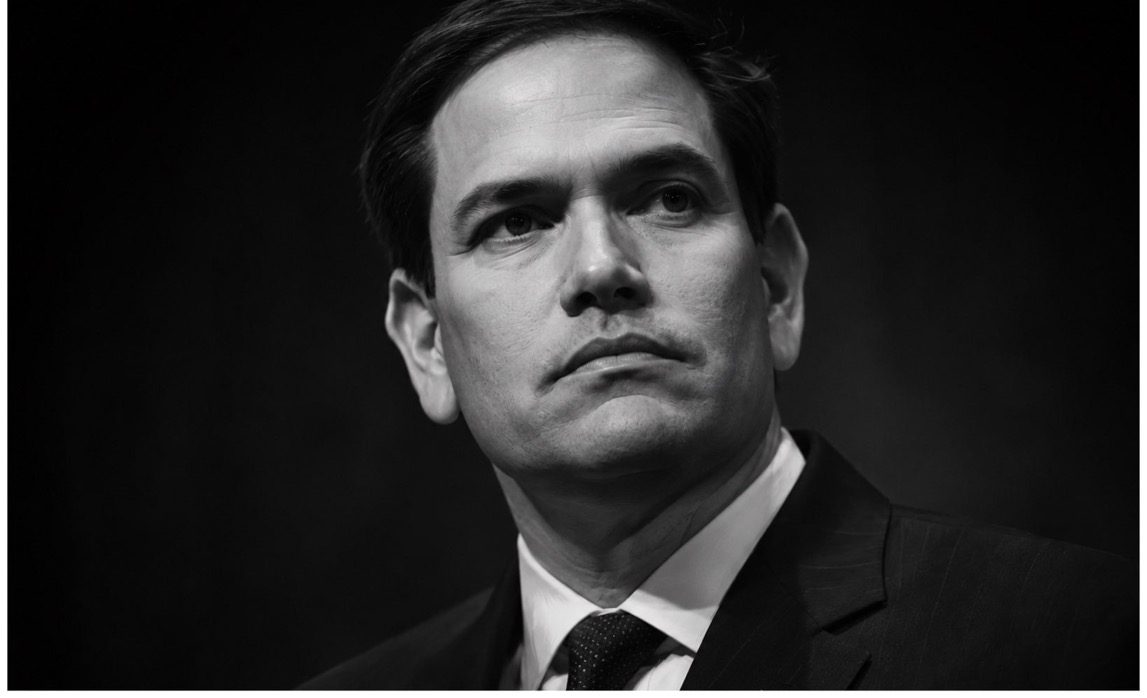

America’s Door Remains Open: Rubio’s Clarity on Flávio Bolsonaro Underscores a Principled Stand for Liberty in the Americas
By Hotspotnews
This distinction matters. Flávio Bolsonaro, the Brazilian senator and recent presidential candidate who lost the runoff to Luiz Inácio Lula da Silva, departed Brazil in the days after the election amid a court order from Supreme Federal Court Minister Alexandre de Moraes requiring the surrender of his passports. He crossed into Argentina, boarded a private aircraft in Puerto Iguazú, stopped in Ecuador, and landed in the Miami area with his wife and daughters. Reports in the Wall Street Journal and The New York Times have described private assistance in arranging the flight, including involvement by Trump communications adviser Jason Miller working with Bolsonaro family contacts. Rubio’s careful wording does not deny private activity; it rejects any claim of official U.S. government facilitation of the departure itself. The decision that counted was Trump’s: America would not slam the door on a political figure facing what many conservatives view as aggressive judicial pressure.
The importance of this episode extends far beyond one family’s travel itinerary. Brazil is the largest nation in Latin America and a critical partner—or competitor—in the Western Hemisphere. For years, the Bolsonaro family and its supporters have represented a conservative, pro-market, socially traditional alternative to the Workers’ Party model that has dominated Brazilian politics for long stretches. Flávio’s decision to leave, and America’s willingness to receive him, signals that the United States under the current administration will not abandon allies when domestic institutions appear to tilt the field against them.
Trump has described the Brazilian election as a “disgrace” and stated that Bolsonaro can remain in the United States “as long as he wants.” That posture is not interference in Brazil’s internal affairs; it is an assertion of American sovereignty over who enters our country and a recognition that political persecution claims deserve scrutiny rather than reflexive dismissal.
From a conservative perspective, the pattern in Brazil raises legitimate concerns about institutional balance. The expansive powers exercised by the Supreme Federal Court, particularly under figures like Moraes, have long drawn criticism for overreach into speech, political activity, and due process. Investigations into money laundering and related matters against Flávio Bolsonaro exist and should be examined on their merits. Yet the timing—immediately after a hard-fought election loss, accompanied by a passport order—fuels the perception among Brazilian conservatives and their international counterparts that the judiciary is being used as a political weapon. Flávio himself has framed his departure not as flight but as a necessary step to continue leading the opposition from a position of safety, thanking both Trump and Argentine President Javier Milei for their support. Allowing him space in the United States does not endorse every claim; it refuses to let one nation’s internal power struggles dictate American hospitality toward those who share core values of limited government, family, and resistance to socialist excess.
This moment also reinforces a broader strategic reality. Latin America has seen a series of conservative advances in recent cycles—most notably in Argentina under Milei—countering the “pink tide” of leftist governance. A United States that offers safe harbor to figures like Flávio Bolsonaro strengthens the hand of those movements. It demonstrates that America First does not mean isolation from like-minded partners. It means prioritizing relationships that advance freedom, security, and prosperity in our own hemisphere rather than lecturing from afar or enabling the consolidation of power by governments hostile to conservative principles. Bilateral relations with Lula’s Brazil will face friction, as Rubio’s planned meetings with Brazilian foreign minister Mauro Vieira at upcoming forums already acknowledge. That friction is preferable to silent acquiescence.
Critics will inevitably portray the episode as American meddling or favoritism. The facts undercut that charge. Rubio went out of his way to separate private logistics from official policy. The United States did not extract Bolsonaro; it simply declined to reject him upon arrival. In doing so, the Trump administration upheld a long American tradition of providing refuge to political figures facing pressure at home, while keeping its distance from the operational details of their exit. That restraint, combined with clear openness, is the mark of a confident nation that still understands the difference between sovereignty and indifference.
The stakes are high because the ideological contest in the Americas is real. When a major conservative voice is forced into exile-like circumstances after an election, the response from the United States reveals whether we still believe our system of ordered liberty has something to offer others—or whether we will look away. By keeping the door open while disclaiming any role in the arrangements of departure, Rubio and Trump have chosen clarity over confusion. Flávio Bolsonaro’s presence on American soil is now a fact. How he and the broader Brazilian opposition use that space, and how Washington manages the resulting diplomacy, will test whether this episode becomes a footnote or a meaningful marker of restored American seriousness about freedom in our neighborhood.
Sources referenced include Secretary of State Marco Rubio’s public remarks as reported by G1, Veja, the Associated Press, Reuters, and other outlets covering the G20 foreign ministers’ meeting in Atlanta; statements by President Donald Trump; reporting in the Wall Street Journal and The New York Times on travel logistics; Flávio Bolsonaro’s own public comments; and contemporaneous coverage of the Brazilian election aftermath and court orders.
#FlavioBolsonaro #MarcoRubio #Trump #Brazil #AmericaFirst #ConservativeSolidarity #WesternHemisphere #Liberty