


Brazil’s Democracy Under Strain: When Opposition Becomes a Crime
By Hotspotnews
Something deeply troubling is unfolding in Brazil. A major presidential candidate loses an election, and within minutes of the official results, authorities move to seize his passports. He feels compelled to leave his own country. This is not the mark of a healthy democracy. It is a warning sign.
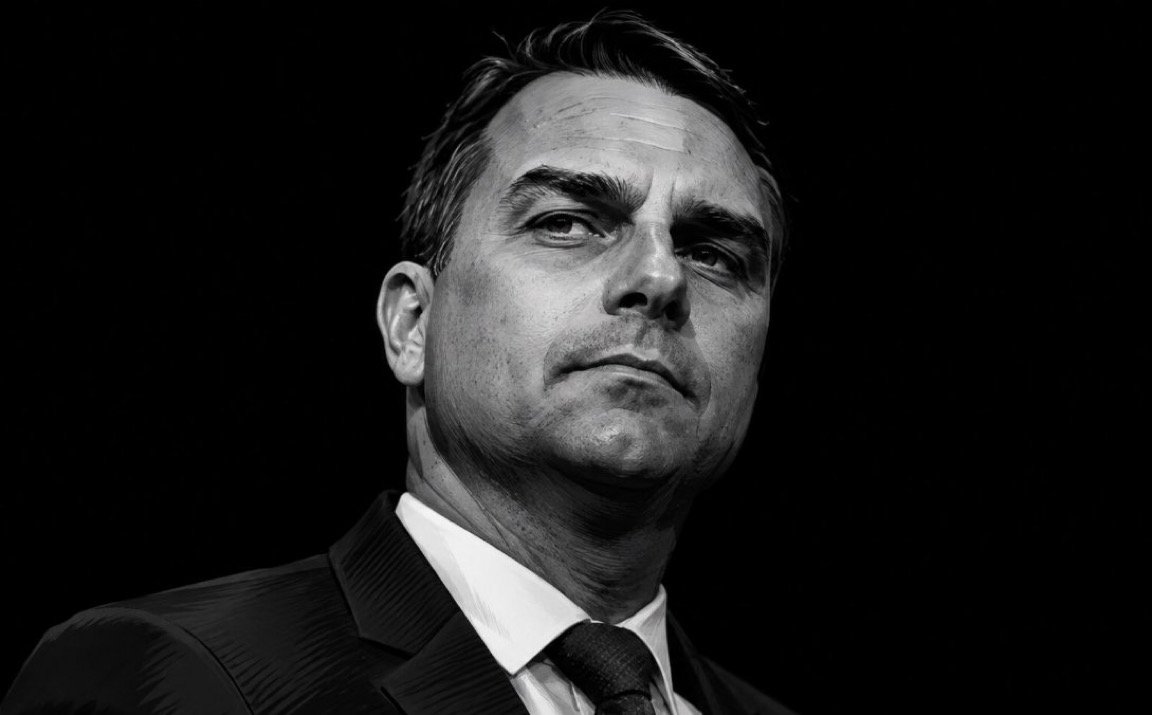
Flávio Bolsonaro, the center-right candidate who challenged the incumbent left-wing government, faced an extraordinary order from a powerful Supreme Court justice shortly after the votes were tallied. The demand that he surrender his travel documents came with striking speed. Supporters and observers note that the request followed the announcement of results by mere minutes. Facing what he and many others viewed as political pressure and the risk of further restrictions, he left Brazil for the United States.
This sequence raises fundamental questions about the rule of law. In a genuine democracy, political opponents are allowed to contest elections, criticize the government, and remain free to travel and organize after defeat. Treating the opposition as a potential criminal threat undermines the very foundations of democratic competition. When judicial power is used so rapidly and visibly against a high-profile rival of the ruling left, the appearance of selective enforcement becomes difficult to ignore.
The parallels to Venezuela’s earlier path are hard to dismiss. What began there as the marginalization of opposition figures, the concentration of power in sympathetic institutions, and the framing of dissent as a threat to the state gradually hollowed out democratic norms. Brazil is not Venezuela, yet the trajectory of using courts and state mechanisms against political adversaries deserves serious scrutiny. Democracy cannot endure when one side’s loss is followed by measures that effectively constrain its leaders’ ability to continue participating in public life.
American voices across the spectrum have begun to notice. Even some on the left have expressed unease at the speed and nature of the actions taken against the defeated candidate. Conservative figures in the United States have gone further, correctly identifying the danger of political lawfare. When opposition is treated as a crime rather than a legitimate alternative, the system ceases to be a free contest of ideas and becomes a mechanism for consolidating power.
Brazil’s institutions still hold formal democratic features. Elections occur. Courts function. Yet the substance of democracy depends on more than procedures. It requires restraint by those in power, equal application of the law, and space for the losing side to remain active without fear of targeted restrictions. The rapid passport order and the subsequent departure of a major opposition figure test that standard.
The free world has an interest in seeing Brazil remain a stable democracy rather than slide toward the authoritarian patterns that have afflicted other parts of Latin America. Political disagreement must not be criminalized. Opposition leaders must be able to lose an election and continue advocating for their vision without immediate coercive measures that force them abroad. Anything less erodes the legitimacy of the system itself.
The events surrounding Flávio Bolsonaro’s candidacy and departure should serve as a wake-up call. A democracy that cannot tolerate a strong opposition is already in decline. Brazilians of all backgrounds, and friends of liberty elsewhere, should insist on genuine rule of law rather than selective pressure against political rivals. The alternative is a gradual loss of the freedoms that make democratic government worth defending.
SOURCES:
Fox News coverage of the arrival in Miami, the passport order issued shortly after the results, and related statements.
• Financial Times accounts of the timeline, the flight risk cited in the investigation, and the journey out of Brazil.
• CNN reporting on his statements about leading the opposition from exile and the U.S. visa issuance.
• The Washington Post on the departure in defiance of the judicial order and U.S. visas.
• El País English editions detailing the border crossing, private flight route, and context of the court order tied to ongoing investigations.
• The Guardian pieces on the passport surrender demand hours after the election and the subsequent flight.
• Brazilian outlets (including Folha, G1, Estadão, and Valor) and BBC News Brasil on the Moraes order, Federal Police actions, cancellation of passports, and the money-laundering investigation involving associates.
• Additional confirmation in outlets such as CBS News, PBS, and AFP of the U.S. visa decision and arrival.
The claim of a Federal Police request occurring roughly seven minutes after official results is reported in some coverage (including Fox News citing Brazilian media such as MD+). The original X post by Eduardo Bolsonaro that prompted the article is publicly available and references the same sequence of events and Venezuela comparison.
#Brazil #FlavioBolsonaro #RuleOfLaw #Democracy #PoliticalPersecution #Bolsonaro #LatinAmerica
#Freedom #Opposition #VenezuelaParallel