

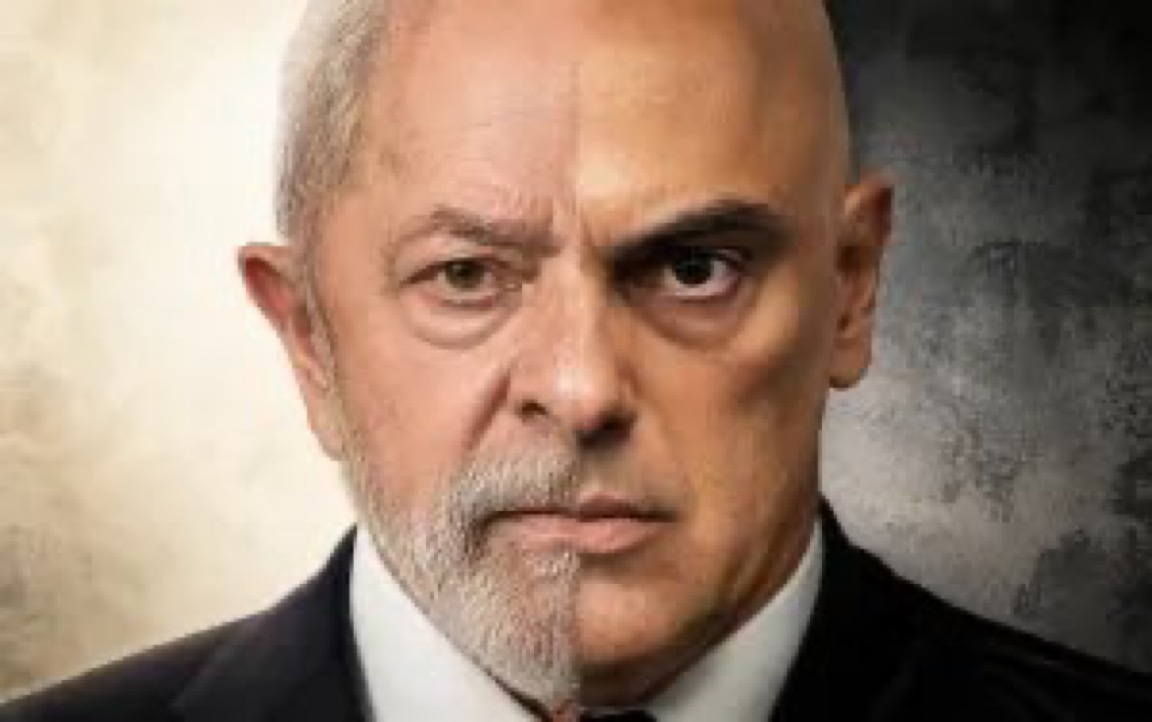

When Guardians Become the Problem: The Economist’s Warning on Brazil’s Supreme Court
By Hotspotnews – Analysis
Based in The Economist article “When the defenders of democracy turn their backs on it instead” (September 10, 2026)
A short post from The Economist on September 11, 2026, captured a growing institutional crisis in Brazil. The magazine noted that any connection between a powerful Supreme Court justice, Alexandre de Moraes, and the country’s biggest fraudster is disappointing. Worse, it said, is Moraes’s response.
The post promoted an article arguing that Brazil’s highest court once saved the country’s young democracy and is now undermining it.
From Savior to Suspect
After Jair Bolsonaro lost the 2022 election, he and allies were accused of plotting to cling to power. The Supreme Federal Court (STF) pursued the case despite intense pressure, including from Donald Trump. In September 2025 the court sentenced Bolsonaro to 27 years. Many Brazilians saw the ruling as proof that institutions could still function.
That reputation is now under strain. The Economist places Moraes, the justice who led much of the Bolsonaro prosecution and the long-running “fake news” inquiry, at the center of a widening scandal tied to Banco Master.
Daniel Vorcaro, the bank’s former owner, is described as a playboy financier whose institution collapsed after what investigators and the magazine characterize as a Ponzi-style scheme mixed with influence peddling. The Central Bank liquidated Banco Master in late 2025. Vorcaro was arrested while trying to leave the country and remains in detention. Estimates of the fraud run into the billions of dollars.
The Alleged Links
Reporting and a Federal Police report unsealed in early September 2026 describe several connections:
- The law firm of Moraes’s wife, Viviane Barci de Moraes, signed a large, unusually vague contract with Banco Master, reported in the range of 129–131 million reais.
- A second draft agreement reportedly included use of a private jet and helicopter linked to Vorcaro.
- File metadata on one contract version was associated with a username tied to Moraes. The couple has said he reviewed the document but did not edit it.
- Investigators recovered disappearing WhatsApp messages Vorcaro sent to a number they identified as Moraes’s. The banker asked whether he should leave the country, sought help reversing pressure from the prosecutor-general and federal police, and referenced meetings. Message frequency rose shortly before his arrest. Replies from the other side were not recovered.
- Police mapped multiple in-person meetings between the two men in 2024 and 2025.
Moraes has denied any wrongdoing. He has said certain messages were not sent to his phone and that screenshots involved other contacts. He has not been charged.
The Response That Deepened the Crisis
The Economist treats the existence of any such ties as already damaging. It treats Moraes’s subsequent actions as more serious.
When STF President Edson Fachin proposed an ethics code that would require justices to disclose outside income, Moraes dismissed the idea. After fellow justice André Mendonça, who is handling the Banco Master case, unsealed the police report, Moraes asked that Mendonça himself be investigated for abuse of authority under the fake-news inquiry. Critics say that inquiry has allowed Moraes to act simultaneously as alleged victim, investigator, and judge.
The magazine argues this pattern—using extraordinary judicial powers to manage political threats and then to contain scrutiny of the court itself—has turned defenders of democracy into a threat to it, especially with a general election scheduled for October 4, 2026.
The scandal has also touched other political figures, including Flávio Bolsonaro, who has been linked to Vorcaro in separate reporting. Brazilians have grown weary of recurring corruption crises that reach the political class every few years. Trust that once rested on the STF’s record of jailing politicians for graft is now fraying.
Why It Matters
Brazil’s Supreme Court accumulated unusual power as Congress and the presidency lost legitimacy. Moraes became its most visible and aggressive member: blocking social-media accounts, confronting platforms, and driving high-profile political cases. Supporters viewed him as a necessary check on authoritarianism. Critics saw an unelected official with too few constraints.
The Banco Master affair tests whether that concentration of power can survive contact with ordinary questions of conflicts of interest, family contracts, private aircraft, and disappearing messages. Even if no crime is ever proven against Moraes, the appearance of proximity to a major fraudster, combined with resistance to transparency rules and efforts to investigate the investigator, has already damaged the court’s standing.
The Economist’s conclusion is stark: the same institution that stopped a coup plot now risks doing more lasting harm to public faith in democracy than Bolsonaro himself managed.
Moraes and the court still hold formal authority. The political and public verdict is being written in real time, weeks before voters go to the polls.
Source: The Economist article “When the defenders of democracy turn their backs on it instead” (September 10, 2026) and contemporaneous reporting on the Banco Master investigation, Federal Police findings unsealed by the STF, and statements from the parties involved.
#Brazil #STF #AlexandreDeMoraes #BancoMaster #DanielVorcaro #Democracy #SupremeCourt #CorruptionScandal #BrazilianPolitics #OctoberElections