


The Shadow of Influence: Family Ties, Cannabis Deals, and the Test of Brazilian Democracy
By Hotspotnews
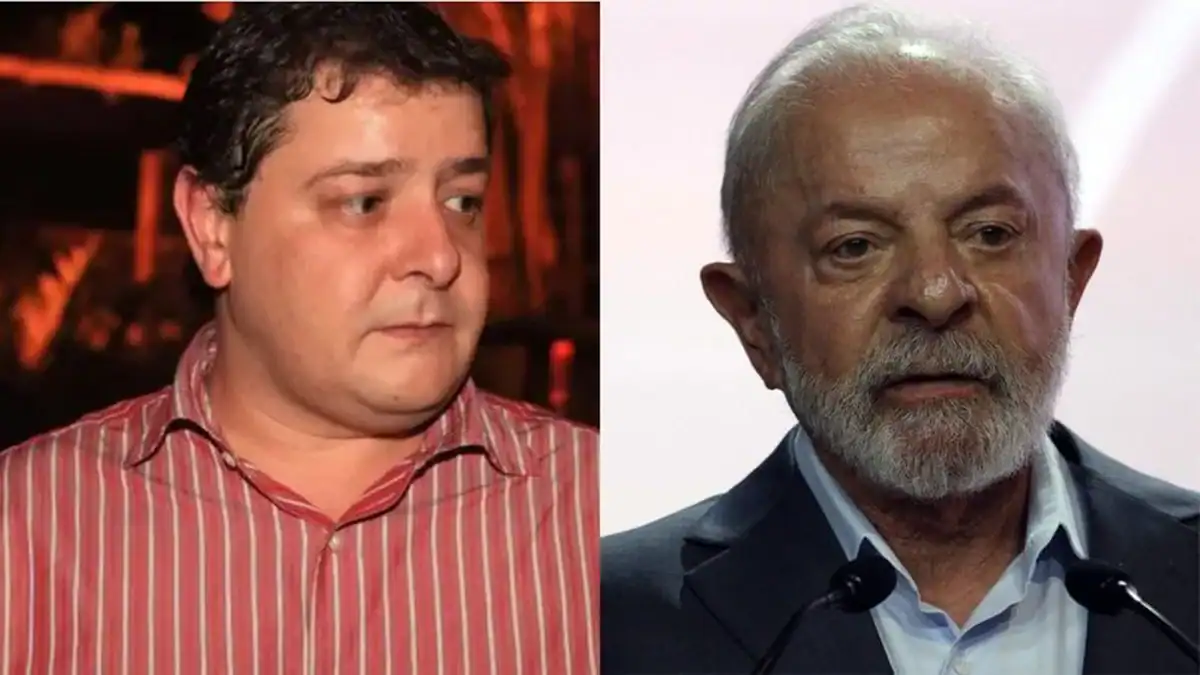
In the heat of an election year, a new controversy has emerged in Brasília, centering on Fábio LuisLula da Silva, better known as Lulinha. Allegations of influence peddling linked to a failed attempt to sell large quantities of cannabidiol-based medicines to the federal government have thrust the president’s eldest son into the spotlight. The proposed arrangement involved a draft contract for over a million bottles of products, potentially valued in the hundreds of millions of reais, pursued without standard competitive bidding and funneled through connections that reached the presidential chief of staff’s office. The deal never materialized, yet the web of messages, payments to intermediaries, and high-level access has ignited questions about proximity to power and the boundaries of private enterprise.
This episode arrives at a delicate moment for President Luiz Inácio Lula da Silva’s bid for another term. Family-related controversies have a way of sticking in Brazilian politics, amplifying opposition narratives about entitlement and unequal access. Early signs suggest the “Lulinha factor” has already introduced friction into the campaign, contributing to tighter polling margins and forcing the administration to manage internal discomfort while publicly insisting on full cooperation with investigators. Lula himself has met with his son’s legal team and emphasized that no one stands above the law, a necessary signal in a polarized environment. Whether this translates into lasting electoral damage depends on how the story evolves through the final stretch of the campaign. Brazilians have shown resilience to political storms before, and strong economic messaging or broader public priorities could still outweigh personal scandals. Yet in a contest expected to be competitive, any perception of protected interests risks eroding the moral high ground that incumbents often claim.
As for whether Lulinha faces jail time in the near future, the answer appears to be no. The matters remain at the investigative stage across multiple inquiries. No formal charges have been filed, and earlier parliamentary calls for preventive detention were rejected months ago. The transfer of at least one case toward ordinary courts, if approved, would place it in the hands of first-instance judges, a process that typically moves more deliberately and allows fuller defense opportunities. Brazilian justice, for all its criticisms, does not usually leap from preliminary probes involving complex influence allegations straight to imprisonment without clearer evidence of ongoing risk or concrete criminal acts. Speculation about imminent incarceration serves more as political theater than realistic forecast at this point.
The role of the Prosecutor-General’s Office adds another layer of complexity. Paulo Gonet has recommended that one of the inquiries leave the Supreme Court and proceed in lower courts, citing the absence of any defendant entitled to privileged jurisdiction. On pure legal grounds, this is consistent with the rules: ordinary citizens do not automatically belong before the highest court simply because of family connections or the political sensitivity of the facts. Yet the contrast with other recent cases—where ordinary individuals faced swift and severe treatment in the same high court for far less sophisticated acts—fuels a widespread sense of selective application. When a hairdresser receives a multi-year sentence for a symbolic act during protests while a high-profile influence investigation is steered toward slower, more conventional channels, the optics of two-tiered justice become hard to dismiss. Procedural correctness does not automatically equal public confidence. The real test lies in whether investigations of the powerful receive the same urgency and transparency applied to the powerless.
Ultimately, this scandal is less about one failed commercial proposal than about the enduring tension between private networks and public institutions. Brazil’s democracy thrives when influence is scrutinized regardless of last name, and when prosecutors apply standards evenly. The coming months will reveal whether the system can deliver clarity without becoming a weapon in the electoral arena. Voters need answers grounded in evidence, not selective application of the Law or convenient delays. Only then can trust in the institutions that underwrite the republic be restored.
#Lulinha
#CannabisMedicinal
#TraficodeInfluencia
#JusticaSeletiva
#STF
#PGR
#PauloGonet
#Eleicoes2026
#Lula2026
#OperacaoSemDesconto
#CarecadoINSS
#WorldCannabis
#MinisterioDaSaude
#ForoPrivilegiado
Main sources that support the facts in the Op-Ed
• Reports from O Globo and Metrópoles (18–20 August 2026) detailing the draft contract for approximately 1.2 million bottles of cannabidiol medicines valued at up to R$ 626 million, the WhatsApp message sent by Roberta Luchsinger to Marcola, and the involvement of World Cannabis / “Careca do INSS”.
• G1 and Folha de S.Paulo coverage of the three STF inquiries against Lulinha, the authorization by Justice André Mendonça, and the Portugal trip with Careca do INSS.
• Correio Braziliense and Gazeta do Povo (20 August 2026) on Procurator-General Paulo Gonet’s formal request that one of the inquiries be transferred from the STF to first-instance courts because no defendant has privileged jurisdiction.
• CNN Brasil analysis (mid-August 2026) discussing the “Fator Lulinha” and its measurable impact on presidential polling and campaign dynamics.
• Aos Fatos fact-check confirming that earlier calls for preventive prison of Lulinha (from the CPMI do INSS) were rejected and are not current.
• Statements from the Ministry of Health (reported across outlets) confirming that cannabidiol is not part of the SUS formulary and that no purchase or contract ever took place.