


Alexandre de Moraes did not have a change of heart. He closed a file he no longer needed.
By Hotspotnews
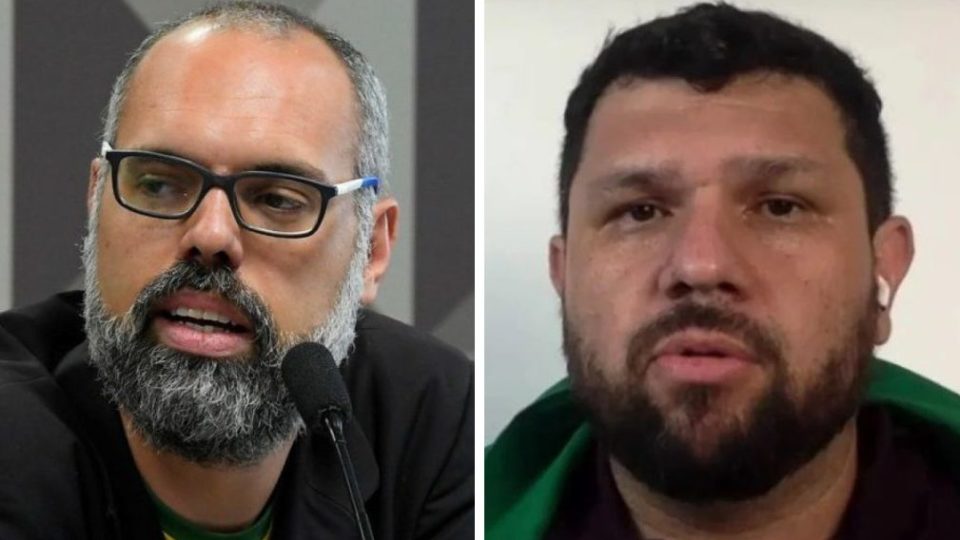
In early September, the justice of the Supremo Tribunal Federal archived Petição 12.404, the inquiry into an alleged campaign of attacks and exposure of personal data aimed at Federal Police delegate Fábio Shor. The targets were the journalists Oswaldo Eustáquio and Allan dos Santos, both abroad, and Senator Marcos do Val of Espírito Santo, who had shared the posts. The decision followed a recommendation from the Procuradoria-Geral da República. It was kept under seal. Brazilians learned of it only on October 5 and 6, after the first round of the presidential election.
That sequence is the story. The legal text is the alibi.
Shor was not a random civil servant. He led the Federal Police work on the alleged coup attempt that produced the conviction of Jair Bolsonaro and his allies. He told the police he had received threats about a week after Bolsonaro was indicted in 2024. From that complaint, Moraes opened an inquiry. The Federal Police later indicted Eustáquio, Allan dos Santos, Do Val, and at least one other person for obstruction of justice and incitement. Photos and private data of the delegate’s family were part of what investigators described. On paper, this was the kind of case the court has spent years treating as an attack on the institutions.
Then the prosecutor’s office declined to charge.
The PGR conceded that the wave of posts, organized by the two journalists and echoed by Do Val, crossed “the differentiated limit of tolerance imposed on those who serve the public.” It also said the file did not show a structured plan to incite crimes against public agents or to obstruct specific investigations in any concrete way. At most, the conduct could amount to crimes against honor, which under Brazilian law require a formal complaint from the offended party. None was filed. With no sufficient evidentiary basis for a denunciation and no useful steps left, the Ministério Público Federal asked for the archive. Moraes accepted it in full.
Do Val’s lawyers — Iggor Dantas, Fernando Storto, Marianna Delgado, and Giovanna Oliveira — received the news “with serenity” and said the result confirmed what they had argued from the start: no just cause, no sufficient proof, and a correct application of the accusatory system. The defenses of Eustáquio and Allan dos Santos were not even found by Valor Econômico. Eustáquio’s lawyer, Ricardo Freire Vasconcelos, told Revista Oeste that counsel had not been notified and had not received the decision by email. He called that level of disregard absurd. A secret ruling, disclosed after the vote, and not served on the men it concerns. That is not how a confident court behaves. It is how a court manages the news.
Eustáquio, speaking to Revista Oeste, called the archive a first step toward coming home. “With the archiving of the case, the precautionary arrests fall,” he said. He was careful about the rest. Another preventive order still stands, in Petição 10.775, a file in which the PGR has already brought charges. He has been under that kind of order for about three years and says the defense will ask for it to be lifted on the same logic: a preventive arrest with no trial in sight. Allan dos Santos remains in the United States, where he has been since 2021. Washington had already refused to extradite him on charges it treated as crimes of opinion. This archive does not wipe that history. It does not restore the years, the platforms, or the families.
Which is why the conservative reading is not that Moraes surrendered. It is that the method was exposed.
For years the pattern has been the same. Open a broad inquiry. Decree preventive arrest against men who are already abroad. Indict on obstruction and incitement. Let the process itself do the punishing. When the prosecutor finally admits there is no structured crime and no complaint from the supposed victim, fold the file quietly and leave the other warrants in place. The damage does not need a conviction. Eustáquio said as much without using the word: the precautionary orders were the sentence. The archive arrived after the exile.
The calendar makes the motive harder to ignore. The decision is dated September 4 in Valor’s account and September 10 in Revista Oeste’s. Either way, it sat in secrecy through the end of the campaign. The first round was October 4. Flávio Bolsonaro took 47 percent. Lula took 45 percent. The runoff is October 25. A sealed order from September, published the Monday and Tuesday after the vote, is not an accident of bureaucracy. A court that wanted this read as a routine act of law would have served the lawyers and released the text when it was signed.
None of this requires a theory that Moraes is afraid of Eustáquio. The cheaper file was the one to drop. The posts were ugly, the PGR said so, and a delegate’s family should not be put on the internet. That can be true and still not be a crime of obstructing justice. The court spent years treating the distinction as optional. It rediscovered the distinction in September, in a sealed PDF, and let the country see it only after the ballots were in.
The question the archive leaves is the one the targets have been asking from abroad. If this file could not support a charge, how many of the others are being held open because a warrant is more useful than a verdict?
Hashtags
#STF #AlexandreDeMoraes #OswaldoEustaquio #AllanDosSantos #LiberdadeDeExpressao #Pet12404 #Eleicoes2026 #Brasil
Sources
Revista Oeste, report by Yasmin Alencar, October 6, 2026. Valor Econômico, October 5, 2026. Statements by the Procuradoria-Geral da República cited in both. Comments by Oswaldo Eustáquio to Revista Oeste. Statement by the lawyers of Marcos do Val, reported by Valor Econômico. Comment by lawyer Ricardo Freire Vasconcelos, reported by Revista Oeste. First-round presidential totals reported from the Tribunal Superior Eleitoral count, October 4, 2026.