


Spy Cockroaches and AI Robots: Germany Plots the Future of Warfare
By Hotspotorlando News
In a world where the boundaries of warfare are being redrawn, Germany is emerging as a pivotal player in redefining how conflicts are fought. Spurred by the geopolitical shockwaves of Russia’s invasion of Ukraine, the nation is investing heavily in cutting-edge defense technologies, blending science fiction with battlefield reality. From cyborg cockroaches to AI-powered robots, Germany’s defense startups are crafting a new era of warfare, one that prioritizes innovation, autonomy, and precision. This transformation, driven by a surge in defense spending and a shift in strategic priorities, signals Europe’s determination to bolster its military independence.

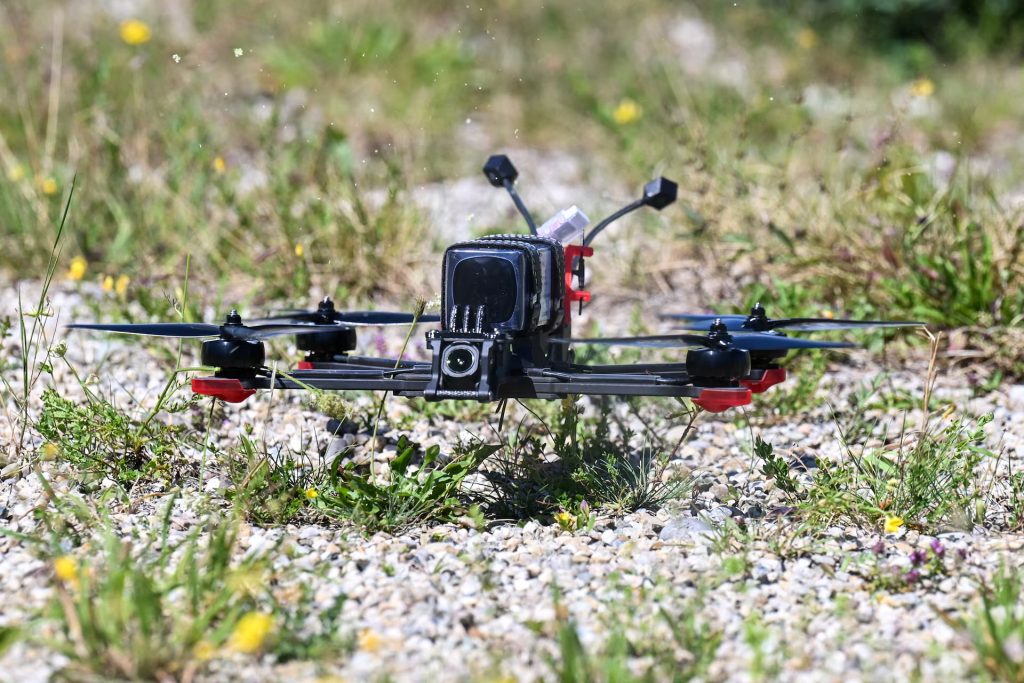
At the forefront of this revolution is Helsing, a Munich-based defense startup that has become Europe’s most valuable in its sector, with a valuation soaring to $12 billion. Founded by Gundbert Scherf, a former McKinsey partner, Helsing specializes in military strike drones and battlefield AI, technologies that have gained urgency since the Ukraine conflict exposed vulnerabilities in traditional defense systems. Scherf’s vision is bold: to restore Europe’s strategic “spine” through technological superiority. His company is part of a broader wave of German startups pushing the boundaries of what warfare can look like, supported by a government eager to modernize its military.
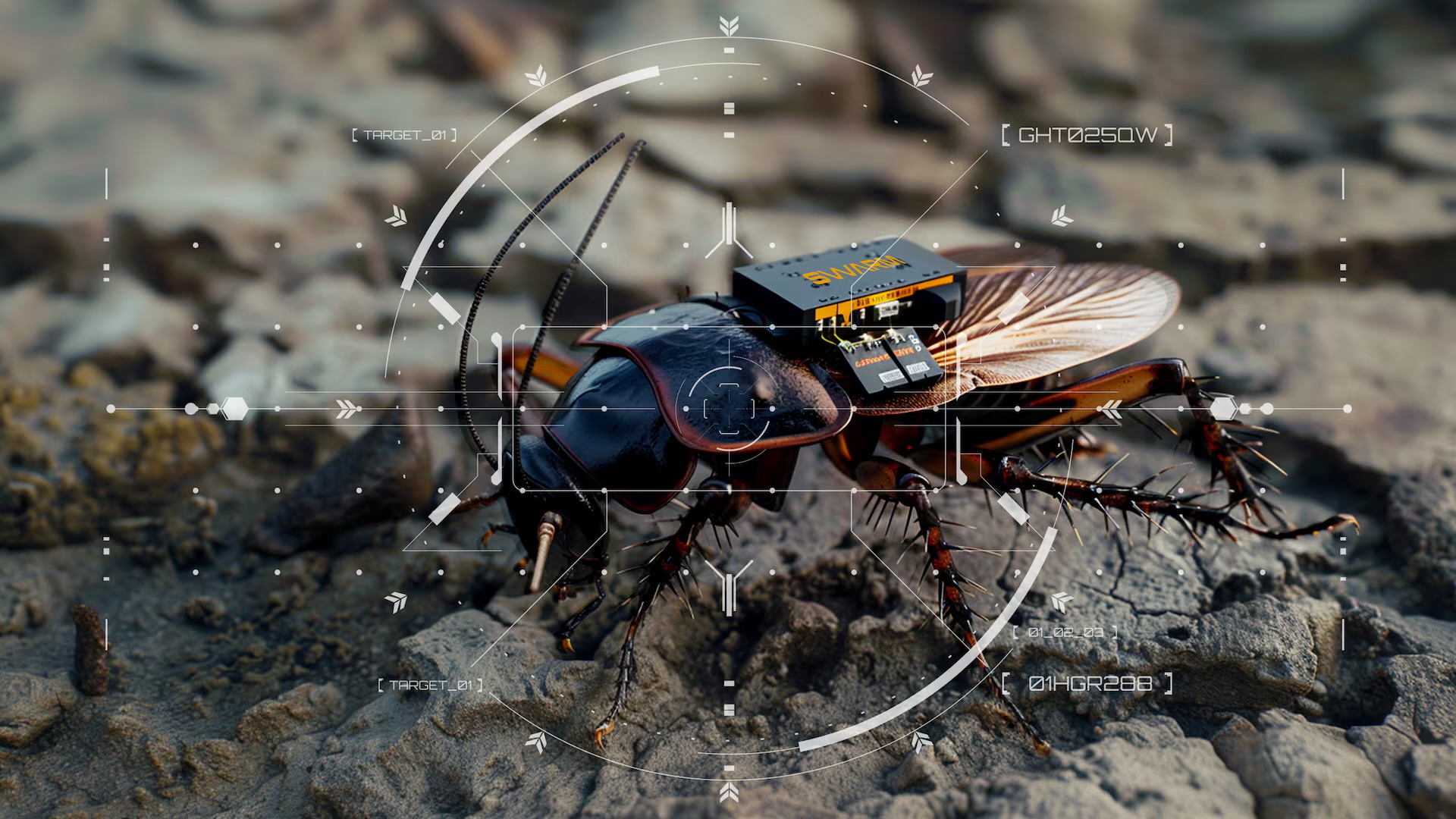
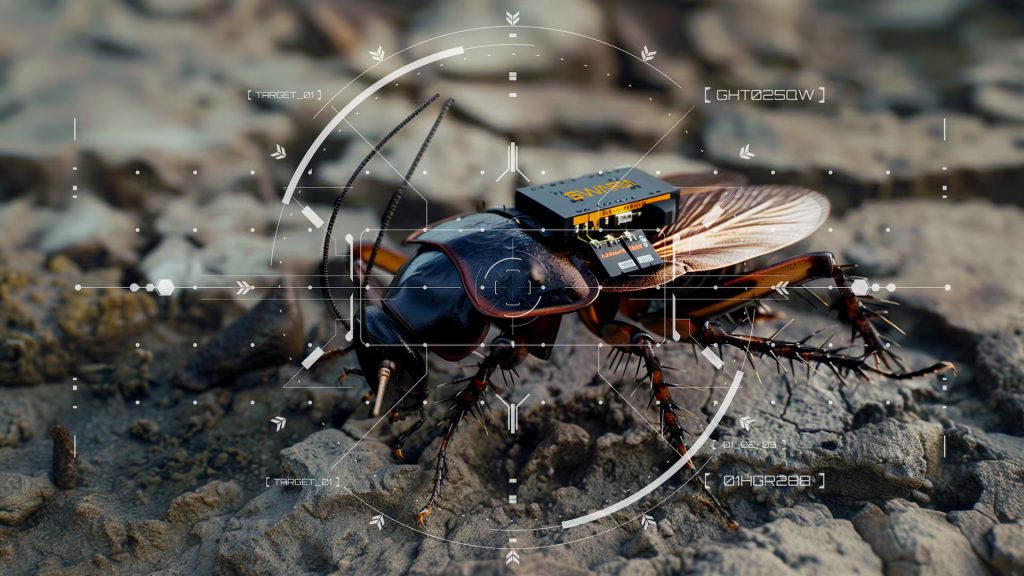
Among the most striking innovations are Swarm Biotactics’ cyborg cockroaches. These are not your average household pests but living insects equipped with miniature backpacks containing cameras, sensors, and secure communication modules. Using electrical stimuli, these bio-robots can be remotely controlled or operate autonomously in swarms, infiltrating hostile environments to gather real-time intelligence, such as enemy positions. The concept, while seemingly outlandish, is rooted in practicality: cockroaches are small, resilient, and capable of navigating terrain that would challenge traditional surveillance tools. As Stefan Wilhelm, CEO of Swarm Biotactics, explains, these creatures are designed to provide critical data in scenarios where larger drones or human operatives might fail.
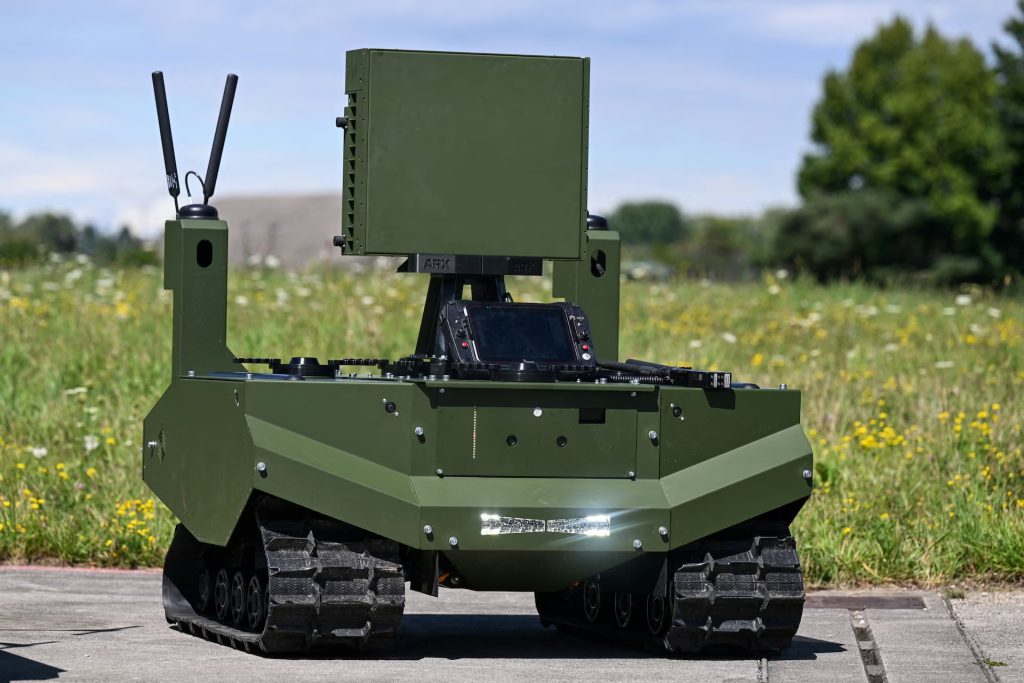
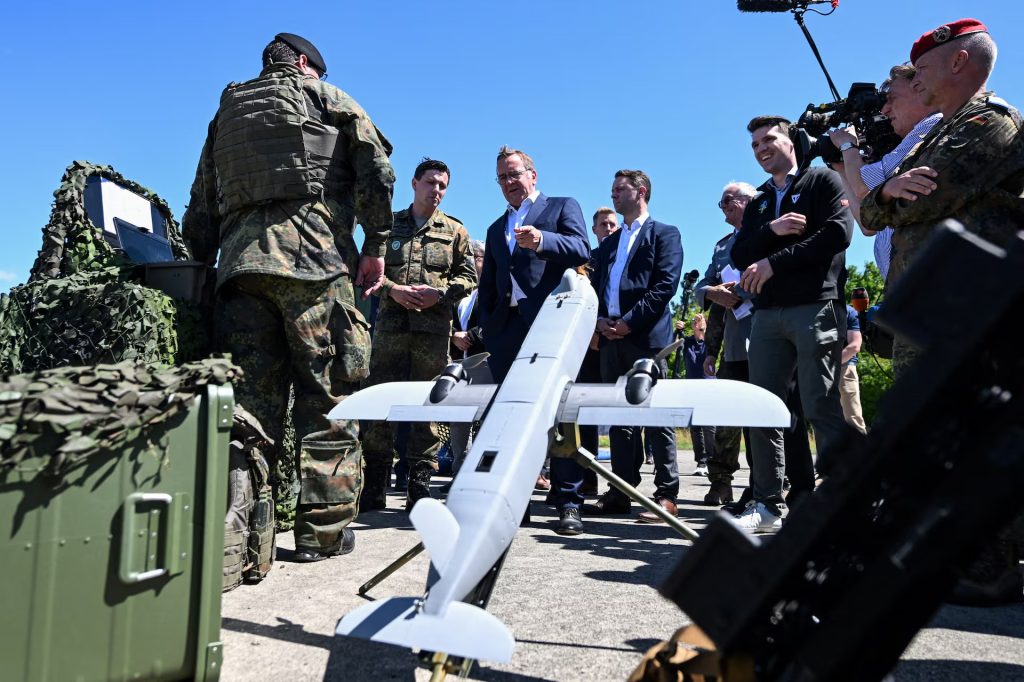
Beyond bio-engineered insects, Germany’s defense sector is embracing a range of autonomous systems. ARX Robotics, led by CEO Marc Wietfeld, is developing tank-like AI robots capable of navigating complex battlefields without human intervention. These machines, alongside unmanned mini-submarines, represent a shift toward systems that can operate independently, reducing risks to human soldiers while enhancing operational efficiency. The German government, under Chancellor Friedrich Merz, is backing these innovations with a new procurement law that streamlines funding for startups, allowing advance payments and limiting tenders to EU-based companies. This legislative shift, approved in July 2025, reflects a broader commitment to fostering a robust European defense industry.
The catalyst for this transformation extends beyond Ukraine. Concerns over the reliability of U.S. support, particularly following renewed skepticism about NATO from American political figures, have pushed Germany to aim for a defense budget reaching 3.5% of GDP by 2029—a target surpassing many European allies. Defense Minister Boris Pistorius has emphasized that funding is no longer a barrier, signaling a profound shift in Berlin’s approach. “Money is there now,” he reportedly told industry leaders, marking a turning point for a nation historically constrained by its post-World War II demilitarization.
Yet, this rapid pivot to high-tech warfare is not without challenges. Europe’s fragmented defense market, with each nation maintaining its own procurement standards, hinders the scalability of these innovations. Unlike the U.S., where a unified market fosters large-scale production, European startups must navigate a patchwork of regulations and priorities. Moreover, the ethical implications of autonomous weapons—such as AI robots capable of making lethal decisions—raise concerns about accountability and the potential for misuse. While no fully autonomous “killer robots” have been deployed, the global race to develop such systems, as noted by experts, mirrors the intensity of the Cold War nuclear arms race.
Germany’s historical context adds another layer of complexity. Once a pioneer of military technology in the early 20th century, the nation saw its scientific talent dispersed after World War II. Today’s resurgence is both a reclaiming of that legacy and a response to modern threats. Startups like Helsing and ARX Robotics are not only innovating but also advising the government alongside traditional defense giants like Rheinmetall and Hensoldt, which are often slowed by backlogs for conventional systems. This collaboration signals a new model where agile, tech-driven firms play a central role in shaping defense policy.
The implications of Germany’s push are profound. As Scherf compares Europe’s defense transformation to the Manhattan Project, the scale of ambition is clear. The integration of AI, robotics, and bio-hybrid systems could redefine warfare, making it faster, more precise, and less reliant on human risk. However, it also introduces a future where the line between science fiction and reality blurs, raising questions about control, ethics, and the global balance of power. For now, Germany’s investment in spy cockroaches and AI robots underscores a broader truth: the future of warfare is being shaped not just on battlefields but in laboratories, where innovation is the ultimate weapon.
source: Reuters