

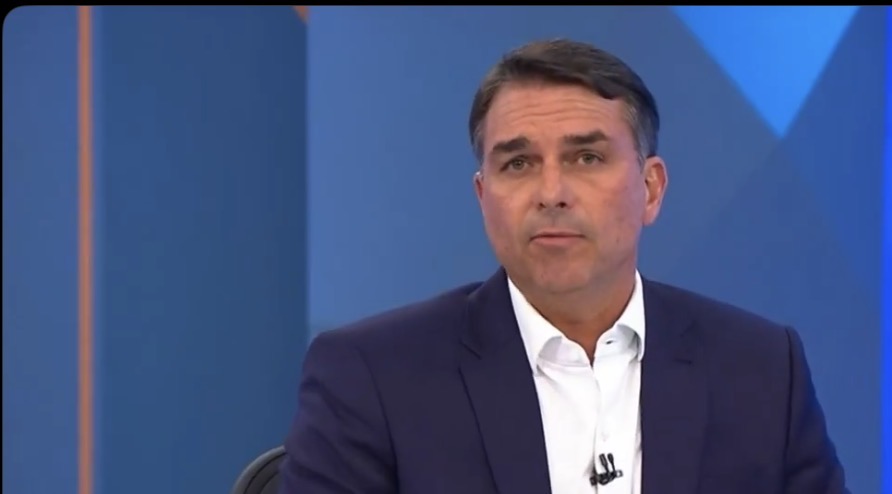

Brazil: Flavio Bolsonaro TSE Lawsuit Against Lula’s 2026 Campaign
By Hotspotnews
Flávio Bolsonaro’s late-September 2026 lawsuit at Brazil’s Superior Electoral Court (TSE) accuses President Luiz Inácio Lula da Silva, Vice President Geraldo Alckmin, First Lady Janja, Culture Minister Margareth Menezes and other ministry officials of turning the Ministry of Culture into a campaign tool. The 41-page Ação de Investigação Judicial Eleitoral (AIJE) cites a September 14 virtual event by the “Movimento Cultura com Lula,” statements by Janja presenting herself as a militant rather than first lady, public funding for related organizations, and institutional publicity during the restricted period. It asks the court to cancel the Lula-Alckmin ticket and declare Janja and others ineligible.
Because the first round of the 2026 presidential election is scheduled for October 4, any immediate effect on voting is limited. TSE procedures typically allow time for the accused to respond, for evidence to be gathered, and for a full hearing. Similar AIJEs in this cycle have given defendants five days to present a defense. A final ruling before the first-round vote is therefore improbable.
If the court later finds that the alleged conduct constituted abuse of political or economic power serious enough to compromise the fairness of the election, Brazilian electoral law (Complementary Law 64/1990) authorizes two main sanctions: cancellation of the ticket’s registration or, after the vote, of the diplomas of those elected, and an eight-year ban on holding elective office. Cassation of a presidential ticket after the election could trigger a supplementary vote. Janja’s inclusion is notable because she is not herself a candidate; a finding against her would still restrict her future political activity.
Even without a conviction the lawsuit has political effects. It reinforces the opposition claim that the incumbent government is using state machinery, keeps the “Cultura com Lula” episode in the news, and adds to the pile of reciprocal AIJEs already exchanged by the two leading campaigns. Coverage in outlets such as Veja and ND Mais has already amplified the story. The government side is expected to argue that cultural programs and events fall within legitimate public policy rather than prohibited campaigning.
The case therefore sits at the intersection of legal process and campaign strategy. Its most likely near-term impact is rhetorical rather than decisive: it supplies talking points, heightens polarization, and leaves open the possibility of later institutional disruption if the TSE ultimately rules that the ministry’s actions crossed the line from public administration into electoral advantage.
Sources: Veja, ND Mais, O Tempo, G1 reporting on comparable TSE actions, and the official 2026 electoral calendar published by the TSE.
#Eleicoes2026 #TSE #FlavioBolsonaro #Lula #Janja #MinisterioDaCultura #AIJE #PoliticaBrasileira #JusticaEleitoral