

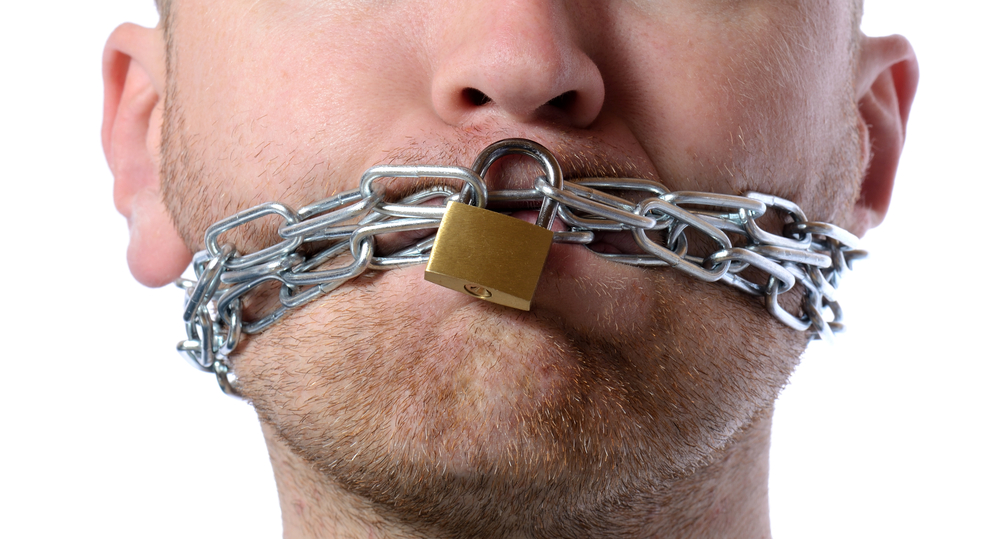

Brazil’s Supreme Court Wages War on Free Speech: A Tyrannical Assault on Liberty
Brazil in the Dark Ages
By Laiz Rodrigues-Editor
In a chilling display of judicial overreach, Brazil’s Supreme Court has unleashed a devastating blow to the sacred principle of free speech, declaring on June 26, 2025, that social media giants like Google, Meta, and TikTok are now liable for the content posted by their users. This 8-3 ruling is nothing short of an aberration—a grotesque power grab by unelected justices who seek to suffocate dissent, silence conservatives, and hand authoritarians a playbook for controlling the digital public square. As Americans watch this travesty unfold, we must sound the alarm: Brazil’s descent into censorship is a warning to the free world, and the United States must stand firm against this dangerous precedent.
The Ruling: A Blueprint for Tyranny
The Supreme Court’s decision obliterates the spirit of Brazil’s 2014 Marco Civil da Internet, a law once hailed as a beacon of balance, protecting user rights while shielding platforms from liability unless they ignored specific court orders. Now, in a radical reversal, platforms must proactively police “illegal content”—a term left deliberately vague, encompassing hate speech, racism, incitement to violence, and the nebulous catch-all of “anti-democratic acts.” Without clear definitions, justices will decide what’s “illegal” on a case-by-case basis, turning Brazil’s courts into arbiters of truth and morality.
This isn’t regulation; it’s a guillotine for free expression. Platforms, fearing crushing fines and lawsuits, will have no choice but to over-censor, scrubbing anything that might remotely offend the sensibilities of Brazil’s progressive elite. The ruling even demands proactive monitoring—Big Tech as Big Brother, forced to spy on users before a single complaint is filed. And while companies can escape liability by proving they acted “timely” to remove content, the burden of proof lies with them, not the state. This is justice inverted: guilty until proven innocent.
The Context: A Witch Hunt Against Conservatives
The timing of this ruling reeks of political vendetta. Brazil’s political landscape is a powder keg, polarized between the far-right supporters of former President Jair Bolsonaro and the leftist regime of President Luiz Inácio Lula da Silva. The January 8, 2023, riots in Brasília, where Bolsonaro’s base protested what many still believe was a stolen election, have been weaponized as a pretext for this crackdown. The court claims social media fueled the unrest, but this is a convenient scapegoat. The real target? Conservative voices who dare challenge the globalist, woke orthodoxy that Lula’s allies champion.
Justice Alexandre de Moraes, a central figure in this saga, has a track record of targeting platforms like X, accusing them of enabling “disinformation.” His crusade against free speech is no secret, and this ruling hands him and his ilk a blank check to silence dissent. X posts from Brazilian conservatives scream of “shadowbanning” and fears of outright exclusion from the digital sphere—fears that are not speculative but grounded in the ruling’s chilling implications. When justices like Flávio Dino justify this by pointing to school shootings or fraud, they’re peddling emotional manipulation to mask their true aim: control.
The Stakes: Free Speech Under Siege
Free speech is the bedrock of a free society, and Brazil’s ruling spits in its face. Justice André Mendonça, one of the few dissenters, warned that social media is a vital tool for holding powerful institutions accountable. He’s right. In an era where legacy media often parrots government narratives, platforms like X and Meta are lifelines for truth-tellers—whistleblowers, citizen journalists, and yes, conservatives who refuse to bow to the altar of political correctness. By forcing platforms to police speech, Brazil risks creating a digital dystopia where only approved opinions survive.
The vagueness of “illegal content” is a feature, not a bug. Without clear standards, the state can weaponize this ruling to target anyone—Bolsonaro supporters, pro-life activists, or even ordinary citizens who question Lula’s policies. We’ve seen this playbook before: vague laws breed selective enforcement, and selective enforcement breeds tyranny. In Brazil’s polarized climate, where the far-right is already demonized, this ruling is a loaded gun pointed at conservatives’ heads.
And let’s not kid ourselves—this isn’t just about Brazil. The ruling aligns with the European Union’s suffocating Digital Services Act, signaling a global push to strangle free speech under the guise of “safety.” The United States, with its robust First Amendment and Section 230 protections, is now an outlier in a world increasingly comfortable with censorship. If Brazil’s experiment succeeds, it will embolden leftists in Washington to push for similar measures, eroding the last bastion of true free expression.
The Hypocrisy: Judicial Overreach and Double Standards
The Supreme Court’s arrogance is staggering. By rewriting the Marco Civil—a law crafted through democratic debate—these justices have anointed themselves legislators, regulators, and moral guardians. This isn’t the rule of law; it’s the rule of robes. The Economist warned in 2024 that Brazil’s judiciary was becoming a de facto regulator, and this ruling proves it. Unelected elites like Moraes are bypassing Congress, where such sweeping changes belong, to impose their vision on 200 million Brazilians.
Worse, the court’s rationale drips with hypocrisy. Justices claim they’re protecting democracy by curbing “anti-democratic acts,” but what’s more anti-democratic than a judiciary trampling legislative authority? Or silencing citizens who dare speak out? The January 8 riots, deplorable as they were, don’t justify torching free speech for all. And when justices like Gilmar Mendes lament a “veil of irresponsibility” over platforms, they ignore their own irresponsibility—crafting a vague, overbroad ruling that invites abuse.
The double standards are glaring. While conservatives face scrutiny, leftist agitators—those who cheer Lula’s policies or push divisive identity politics—seem to skate by. Social media companies, caught in the crosshairs, have even cozied up to Bolsonaro’s PL party, sponsoring events to train members on AI tools. Yet the court’s wrath falls squarely on platforms, not the politicians or activists who thrive on division. This isn’t justice; it’s selective persecution.
The Fallout: A Digital Iron Curtain
The practical consequences of this ruling are catastrophic. Social media companies, facing an impossible mandate to monitor billions of posts, will either over-censor or flee Brazil entirely. Smaller platforms, unable to afford armies of lawyers or AI systems, may simply shut down, stifling competition and innovation. Even giants like Meta and Google will struggle to comply without turning their platforms into sterile wastelands, devoid of debate or dissent. For users, the chilling effect is immediate: speak freely, and risk being erased.Brazil’s economy will suffer, too. Tech companies employ thousands and drive growth, but this ruling could scare them away, costing jobs and investment. And for what? A hollow promise of “safety” that sacrifices liberty on the altar of control. The judiciary’s case-by-case approach guarantees a flood of lawsuits, clogging courts and enriching trial lawyers while ordinary Brazilians lose their voice.
Geopolitically, the ruling is a slap in the face to the United States. U.S. Secretary of State Marco Rubio warned Brazilian officials against censoring American citizens, hinting at visa restrictions. Yet Brazil’s justices, emboldened by their own hubris, seem to relish the confrontation. This isn’t just a domestic issue—it’s a salvo in a broader war on Western values, with Brazil aligning itself with the EU’s nanny-state model over America’s commitment to liberty.
The Call to Arms: Conservatives Must Fight Back
This ruling is a wake-up call for conservatives everywhere. Brazil’s Supreme Court has handed tyrants a template: vague laws, judicial fiat, and platform liability as tools to crush dissent. We cannot let this stand. In Brazil, conservatives must rally—support lawmakers who will overturn this ruling through legislation, expose judicial overreach, and defend the Marco Civil’s legacy. Bolsonaro’s base, vilified but resilient, must harness the same energy that fueled their protests to demand accountability.
In the United States, we must hold the line. Section 230, flawed as it is, remains a bulwark against the kind of censorship Brazil now embraces. Conservatives in Congress should strengthen protections for free speech, not weaken them, and call out any politician who flirts with platform liability as a solution to “misinformation.” The Biden administration, cozy with Big Tech censors, must be pressured to condemn Brazil’s actions, not applaud them.
And globally, we must support platforms like X, which have fought tooth and nail against government overreach. Elon Musk’s defiance of Moraes’s demands to censor content on X is a model for resistance. If platforms cave, the digital public square collapses. Conservatives must also amplify Brazilian voices—citizens, not justices—who reject this authoritarian lurch. Their fight is our fight.
Liberty or Tyranny
Brazil’s Supreme Court has crossed a Rubicon, trading liberty for control and free speech for censorship. This ruling isn’t about protecting democracy; it’s about strangling it. It’s a betrayal of Brazil’s people, its history, and the very principles that make a nation free. As conservatives, we stand with Justice Mendonça, who saw the truth: social media is a shield against tyranny, not a sword for it.Let this be a rallying cry. From Brasília to Washington, the battle for free speech is on. We will not let unelected judges, leftist elites, or their vague, draconian laws silence us. Brazil’s aberration must be reversed, or it will haunt the free world for generations. The time to fight is now—before the digital iron curtain falls.