

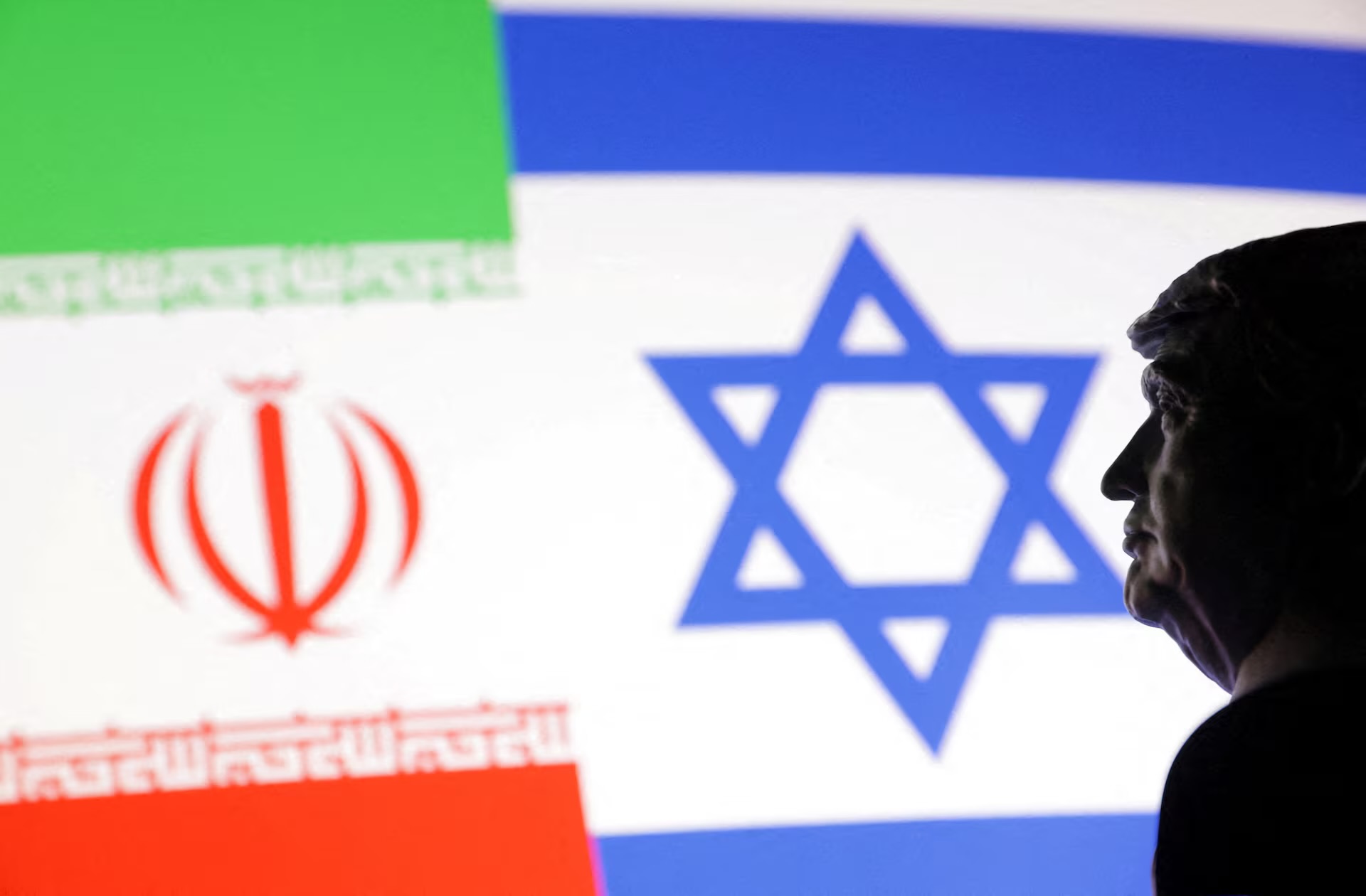

Israel’s Resolute Stand Against Iran’s Ceasefire Betrayal
By Hotspotorlando News
In the volatile landscape of Middle Eastern geopolitics, Israel’s leadership has once again demonstrated that principled strength, not wishful thinking, secures peace. On Tuesday, June 24, 2025, Israeli Prime Minister Benjamin Netanyahu and Defense Minister Israel Katz responded decisively to what Israel characterized as Iranian ceasefire violations—a stark reminder that Tehran’s word cannot be trusted and that Israel’s security depends on its own resolve, not international guarantees.


The Pattern of Iranian Deception
The latest crisis unfolded mere hours after President Trump’s brokered ceasefire took effect at 7:00 AM local time. According to Israeli officials, Iran launched missiles at 7:06 AM and again at 10:25 AM, brazenly violating the truce designed to end a devastating 12-day conflict. Israel’s response was swift and measured: Defense Minister Katz ordered targeted strikes on Tehran installations, while Netanyahu assured President Trump that Israel would scale back rather than cancel its planned operations—a balance between necessary deterrence and diplomatic consideration.
Iran’s predictable denial of missile launches follows a well-worn playbook of provocation followed by victimization claims. Tehran alleges that Israel continued its own attacks for 90 minutes past the ceasefire deadline, targeting radar installations near the Iranian capital. Yet this narrative conveniently ignores Iran’s decades-long pattern of aggression: funding terrorist proxies across the region, pursuing nuclear weapons in defiance of international agreements, and consistently breaking diplomatic commitments.
Strength Through Restraint
Conservative foreign policy principles recognize a fundamental truth: peace is not achieved through trust in rogue regimes but by ensuring they understand the costs of aggression. Israel’s response exemplifies this approach. Rather than launching an all-out assault, Netanyahu chose targeted retaliation while maintaining diplomatic channels with Washington. This measured escalation sends an unmistakable message: violations will be answered, but Israel remains a responsible actor committed to regional stability.
The decision to scale back bombing plans while keeping military options open demonstrates strategic wisdom. It satisfies Israel’s security imperatives while acknowledging the diplomatic realities of working with the Trump administration’s peace efforts. This approach embodies the “peace through strength” doctrine that has proven effective when dealing with authoritarian regimes.
The Failure of Appeasement
The current crisis underscores the bankruptcy of accommodationist policies toward Iran. Years of conciliatory approaches—from the Obama administration’s nuclear deal to various European diplomatic initiatives—have only emboldened Tehran’s regional ambitions. Iran’s immediate ceasefire violation proves that the regime views international agreements as tactical pauses rather than genuine commitments to peace.
Israel, by contrast, understands that hesitation invites aggression. The Jewish state’s willingness to act decisively when threatened has repeatedly prevented larger conflicts that would have destabilized the entire region. Israel’s defensive actions are not provocative—they are preventive, stopping Iranian escalation before it spirals beyond control.
America’s Strategic Interest
Supporting Israel’s right to self-defense serves clear American interests. Israel’s military capabilities and intelligence networks have repeatedly prevented terrorist attacks that would have targeted American citizens and allies. The country’s democratic values and commitment to the rule of law make it a natural partner in promoting regional stability.
As Iran continues its destabilizing activities, American policymakers must recognize that strength, not accommodation, will deter further aggression. Congress should prioritize military aid packages that enhance Israel’s defensive capabilities while imposing meaningful sanctions that constrain Iran’s ability to fund proxy groups and weapons programs.
The Path Forward
Iran’s ceasefire violation represents more than an isolated incident—it reflects the regime’s fundamental unwillingness to coexist peacefully with its neighbors. Israel’s measured but firm response offers a template for dealing with such provocations: swift consequences for violations, combined with continued engagement through appropriate diplomatic channels.
The international community must stop treating Iranian aggression as inevitable and Israeli responses as disproportionate. Tehran’s actions consistently escalate regional tensions, while Israel’s defensive measures work to contain them. Recognizing this reality is essential for any sustainable peace process.
Israel’s resolute stand against Iran’s ceasefire betrayal is not just justified—it is necessary for regional security and global stability. In a dangerous neighborhood where weakness invites attack, Israel’s strength protects not only its own citizens but the broader cause of peace itself.source Reuters, AP