


JPMorgan’s Warning: Brazil’s Economy Under Lula Pays the Price
By Hotspotnews
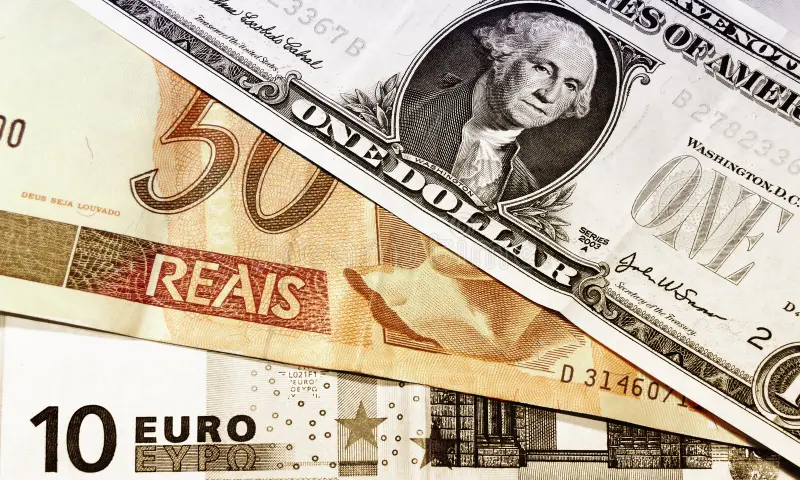
On August 11, 2026, the markets delivered a clear verdict on Brazil’s economic direction. JPMorgan, one of the world’s largest banks, downgraded its recommendation on Brazilian investments from overweight to neutral. The immediate result was predictable and painful: the dollar surged nearly 1 percent against the real, and the Ibovespa plunged 2.5 percent, hitting levels not seen in months. Foreign capital began heading for the exits. This was not a random market spasm. It was a rational response to reality.
The bank’s analysts cited the end of the interest-rate cutting cycle, slowing growth, deteriorating credit conditions, and the mounting uncertainty of the October elections. In plain terms, the easy money is over, the economy is losing steam, and investors are no longer willing to ignore the structural problems that successive left-wing administrations have refused to fix. High real interest rates, persistent fiscal deficits, and a political climate that prioritizes spending over discipline have consequences. Markets do not grade on a curve.
For years, supporters of the current government insisted that social programs, state intervention, and expansive fiscal policy would deliver prosperity. The data now say otherwise. Credit is weakening. Growth is decelerating. The currency is under pressure. These are the predictable outcomes when a government treats fiscal responsibility as an optional luxury rather than a foundation of stability. Investors notice when policy tilts toward short-term political gains at the expense of long-term credibility.
The approaching presidential election adds another layer of risk. Markets hate uncertainty, and Brazil’s political landscape offers plenty of it. Yet for many Brazilians who have watched the real lose value and the stock market stutter, the path forward is becoming clearer. The economic pain under the present administration has made the case for change harder to dismiss. A decisive first-round victory for a candidate committed to fiscal restraint, lower taxes, reduced bureaucracy, and respect for private enterprise would send a powerful signal that Brazil is ready to reverse course.
Critics will claim that blaming the government is simplistic or that global factors are the real culprits. Global factors always exist. What distinguishes successful emerging markets is the ability to manage domestic policy so that external shocks do not become domestic crises. Brazil has repeatedly failed that test under left-leaning leadership. High public spending, resistance to meaningful reforms, and a regulatory environment that discourages investment have compounded every external headwind.
Conservative principles offer a better alternative: sound money, balanced budgets, property rights, and limited government interference. Countries that follow these principles attract capital, create jobs, and raise living standards. Countries that reject them see their currencies weaken, their markets shrink, and their people grow poorer. The JPMorgan downgrade is not an isolated opinion from Wall Street. It is a market confirmation of what ordinary Brazilians have felt in higher prices, tighter credit, and stalled opportunity.
The election this October is more than a political contest. It is a referendum on whether Brazil will continue down the path of fiscal irresponsibility or choose the harder but necessary road of discipline and growth. A first-round victory for the opposition would not solve every problem overnight, but it would mark a decisive break with the policies that produced this latest market rebuke. Markets have already spoken. Now the voters get their turn.