


Lobbyist’s Phone Becomes Central Evidence in Federal Police Probe of Influence Peddling Near Brazil’s Presidency
By Hotspotnews
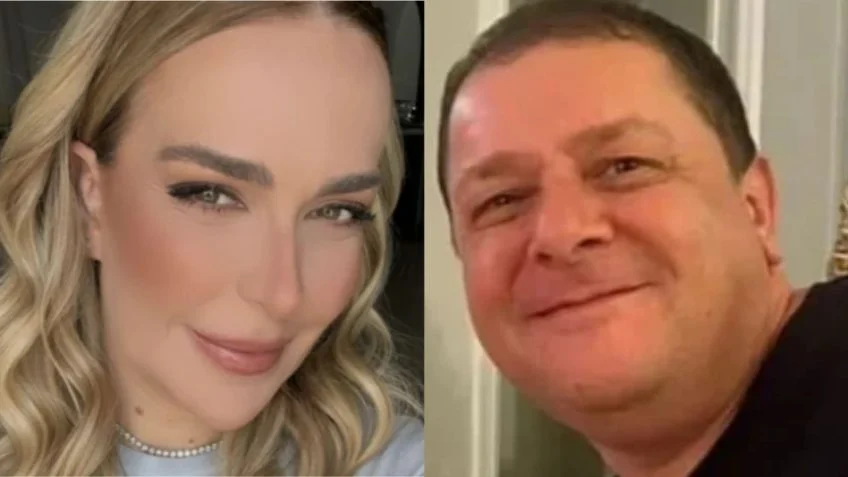
A seized cellphone belonging to businesswoman Roberta Luchsinger has supplied Brazilian Federal Police investigators with messages, audio, documents, and financial traces that form the core of multiple inquiries into alleged traffic of influence. The material, recovered after a search in late 2025 tied to an INSS fraud investigation, shows attempts to secure high-value government contracts and access to officials in President Luiz Inácio Lula da Silva’s administration. The findings have drawn in the president’s eldest son and his former chief of staff.
The investigations remain ongoing. Those named deny criminal conduct. Defenses have described some police actions as overreach and have questioned the scope and legality of how the phone data was used.
Who is involved
Roberta Luchsinger is a São Paulo businesswoman and owner of a consultancy. Police reports describe her as a lobbyist who used personal relationships to open doors in Brasília. She is a longtime friend of Fábio Luís Lula da Silva, known as Lulinha, the president’s oldest son. She previously ran for state deputy on a Workers’ Party ticket and is the daughter of a Swiss banker. Investigators say she received about R$1.5 million from companies linked to another lobbyist and handled large cash movements, including collections of R$300,000 in sealed packets.
Fábio Luís Lula da Silva, or Lulinha, is an entrepreneur. Police reports describe him as part of a coordinated group that sought to place private interests before federal agencies. Messages attributed to Luchsinger refer to a “society” or informal partnership with him and businessman Fernando Bittar. In one exchange she told an interlocutor “Eu sou o Fábio” (“I am Fábio”), language police interpreted as authorization to act on his behalf. Lulinha’s lawyers have said they cannot confirm the authenticity of all messages and that he has no direct or indirect relationship with Luchsinger’s company. He moved to Spain in early 2025.
Marco Aurélio Santana Ribeiro, known as Marcola, served as Lula’s chief of staff until July 2026 and controlled much of the presidential agenda. Police recovered messages in which Luchsinger sent him lists of priorities, requested meetings with Health Ministry officials, and forwarded a draft contract. He received transfers totaling R$249,000 that he has called a personal loan already repaid. Other messages show him asking about a painting she described as worth 100,000 euros and discussing jewelry. Marcola stated the transactions were private and legal and that he never used his office for illicit purposes. He left the campaign team after the reports surfaced.
Antônio Carlos Camilo Antunes, widely called “Careca do INSS,” is a lobbyist at the center of the separate Operação Sem Desconto investigation into unauthorized deductions from INSS pensions and retirements, a scheme estimated at more than R$6 billion. His companies paid Luchsinger’s firm in installments of R$300,000. Messages refer to two potential deals with her group: cannabis-based medicines and rapid dengue tests for the Health Ministry. One witness told police Antunes described payments as going to “the son of the guy.” Antunes has been arrested in the INSS case.
Other names appearing in the phone data and related reports include Fernando Bittar (described as a partner in the informal group), Cléber Ribas (an entrepreneur whose firms later obtained contracts after payments to Luchsinger), Swedenberger Barbosa (“Berger,” then executive secretary at the Health Ministry), and Gustavo Gaspar (a former congressional aide who appears in several conversations).
What the phone contained
Investigators recovered WhatsApp messages, audio files, and attached documents after judicial authorization to examine Luchsinger’s cloud data, initially granted in the INSS fraud probe. Key items include:
- A draft “termo de referência” and contract model for supplying 1.2 million bottles of cannabidiol-based medicines to the Health Ministry without a public bid, valued in internal discussions at around R$626–627 million. Luchsinger sent the document to Marcola. The contract was never signed.
- Conversations in which Luchsinger arranged a meeting with Berger at the Health Ministry within three days after Marcola provided the official’s direct number and alerted him that she would call. She introduced herself as “Marcola’s friend.”
- Discussions of cash: Luchsinger directing her driver to collect R$300,000 in two sealed packets, payments to a travel agency that issued tickets for Lulinha, and an audio in which she mentioned monthly household expenses of about R$100,000 that she could no longer sustain for flights.
- References to a possible informal partnership. In January 2024 Luchsinger told a contact that President Lula had once asked her to choose a government post and that she declined in order to stay in her “society” with Lulinha and Bittar. She projected earnings of R$100 million in 2024.
- Messages about other sectors, including technology contracts with Dataprev and cybersecurity or consignado-loan management firms that already held government business.
Police reports characterize the group as a “permanent and coordinated nucleus” aimed at placing private interests before federal agencies. Luchsinger’s lawyers have argued the Health Ministry material was already known to investigators before the cloud search and that expanding the inquiry amounted to an unauthorized “fishing expedition.” They asked the Supreme Court to shut down one of the cases.
How the case grew
The phone was seized during a December 2025 phase of Operação Sem Desconto. Subsequent analysis produced three new inquiries focused on alleged traffic of influence rather than the original pension frauds. Two are overseen by Supreme Court Justice André Mendonça; a third is with Justice Flávio Dino. The Procuradoria-Geral da República has asked that some matters move to first-instance courts; the justices have so far kept them at the Court.
No one has been convicted in the influence-peddling line of inquiry. The INSS fraud case has produced arrests, including Antunes, and dozens of indictments in related tracks. Luchsinger has worn an electronic ankle monitor in connection with the earlier operation.
The episode illustrates how a single device, once unlocked and analyzed, can map relationships, money flows, and attempted deals that previously existed only as rumor or isolated payments. Brazilian law treats traffic of influence and related offenses as serious when they involve public officials or their close associates. Whether the recovered messages and transfers meet the legal threshold will be decided in court, not in headlines.
Sources: Reporting and documents cited by O Globo, Valor Econômico, Metrópoles, Veja, Folha de S.Paulo, O Estado de S. Paulo, CNN Brasil, G1, and Gazeta do Povo, based on Federal Police reports and court filings through late August 2026.
#BrazilPolitics #FederalPolice #LulaGovernment #InfluencePeddling #Accountability #RuleOfLaw #INSSInvestigation #Transparency