


Lula’s “Peace” Meeting: What the Public Should Actually Expect
By Hotspotnews
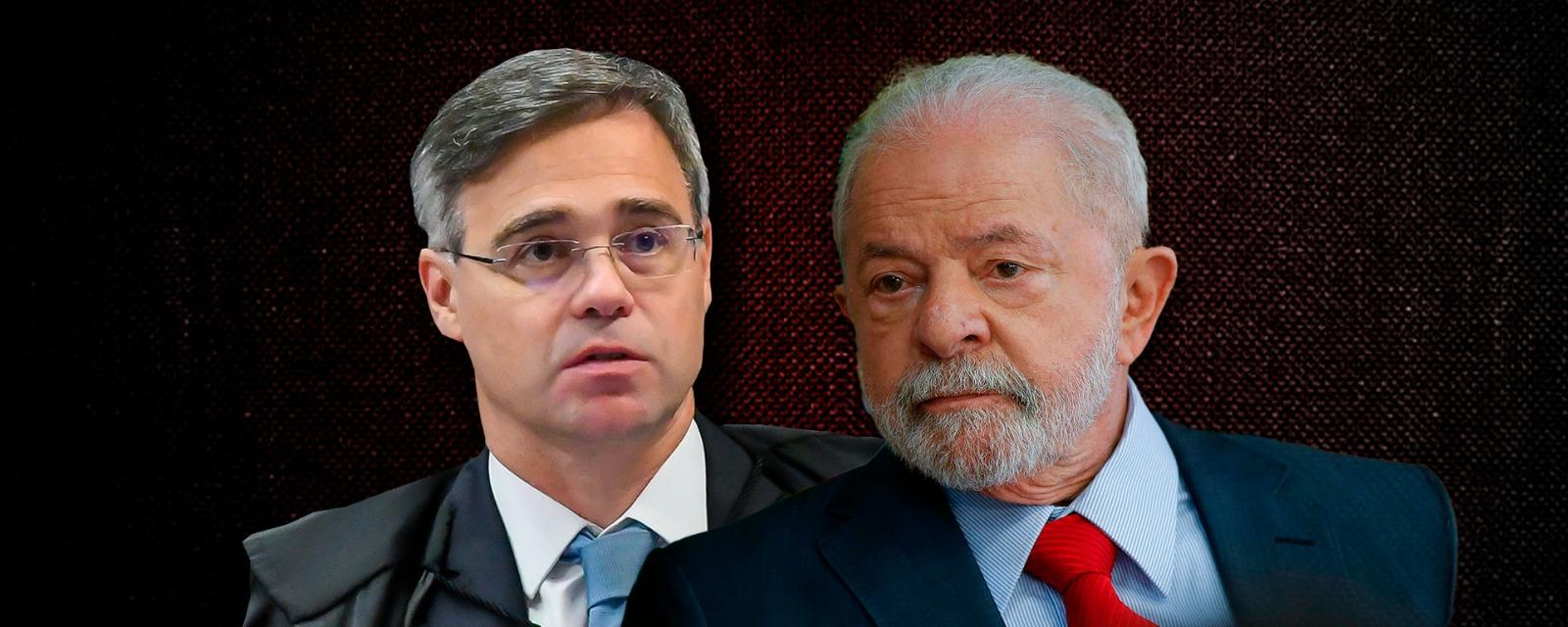
President Luiz Inácio Lula da Silva is arranging a meeting between Supreme Court Justice André Mendonça and Federal Police Director Andrei Rodrigues. The stated goal, according to reporting from Metrópoles, G1, O Globo, CNN Brasil and CBN, is to “seal the peace” and lower tensions between the minister’s office and the police command.
The meeting is expected next week and would be mediated by Justice Minister Wellington César Lima e Silva, with possible participation from Attorney General Jorge Messias. That framing sounds institutional. The cases at the center of the dispute do not.
Mendonça is the rapporteur of two of the most politically explosive inquiries now before the STF: the INSS fraud investigation that has reached Fábio Luís Lula da Silva, known as Lulinha, and the Dark Horse/Master case. Both carry high electoral risk for the government. Reporting describes mutual distrust: suspicion of leaks, disagreement over the pace of investigations, disputes over access to raw evidence, and questions about how the Federal Police has allocated resources and personnel.
A conservative reading of this episode is straightforward. The executive should not be brokering “peace” between a Supreme Court justice and the director of the Federal Police while those same institutions are investigating matters that touch the president’s family and political allies. Separation of powers is not a slogan for campaign season. It is the mechanism that keeps investigations from becoming negotiation items.
What the public should expect
The public should expect a political-management meeting, not a turning point in the investigations. The sit-down is still being arranged. There is no public agenda, no announced ruling, and no reason to treat a mediated conversation as a substitute for due process.
In the room, the likely product is a closed talk about procedure: leaks, the speed of reports, who controls investigative teams, and whether Mendonça’s chambers receive the raw INSS case files. Both sides have incentives to walk out saying institutional dialogue was restored. That language would not, by itself, change any docket.
Each side wants something different. The Planalto wants fewer headlines about a rupture between the STF rapporteur and the PF command during an election period. Mendonça’s side has pressed for raw investigative material and notice before team changes, arguing that a rapporteur must keep control of evidence in cases that touch the president’s family. The PF command has framed those demands as interference in police autonomy. As recently as Friday, Rodrigues said the force must be defended from “any attack, no matter where it comes from,” without naming Mendonça.
What would actually tell the public the meeting mattered is not the communiqué. Watch the days after: whether the PF sends the raw INSS documents Mendonça ordered; whether teams on Lulinha and Master/Dark Horse stay stable or are reshuffled; whether reports the minister has been waiting on start arriving; and whether leaks slow down.
If those mechanics do not change, the meeting was damage control. If they change in one direction or the other, that is the real outcome. Earlier mediation in August eased the talk without ending the fight. Some reporting this week still described resistance even as other sources said both men had signaled they would sit down.
Mendonça has been portrayed in recent coverage as an isolated figure on these dockets. Other justices have been quieter. That isolation is precisely why the meeting matters. A justice already under political pressure does not need a mediated sit-down arranged by the presidency. He needs institutional backing to demand documents, set deadlines, and let the facts travel where they travel.
None of this requires assuming the worst about every actor. It does require refusing the polite language of “distension” when the underlying dispute is about whether sensitive inquiries move at the speed of justice or the speed of political convenience. Institutions can talk. They should not bargain the speed or scope of cases that involve the president’s son and rival political networks.
Conservatives should want one outcome: Mendonça remains firm, the inquiries proceed on evidence rather than atmosphere, and no amount of mediation replaces the duty to investigate without fear or favor. The test is whether evidence still moves by legal order, not by “peace.”
Source: Reporting by Metrópoles, G1, O Globo, CNN Brasil, CBN and Gazeta do Povo on the planned meeting, the mediator, and the underlying STF-PF tensions over the INSS/Lulinha, Master and Dark Horse inquiries.
#Brasil #STF #PoliciaFederal #Justica #EstadoDeDireito #Mendonça #SeparacaoDePoderes #INSS #Lulinha #DarkHorse