


The 1979 Amnesty Law (Lei 6.683) pardoned political crimes from both sides of the dictatorship, enabling figures like Lula to re-enter politics, yet its passage involved contentious debates and amendments, as documented by the Brazilian Congress, shaping modern political divisions.
Michelle Bolsonaro’s Bold Move: Exposing Lula’s Hypocrisy on Amnesty
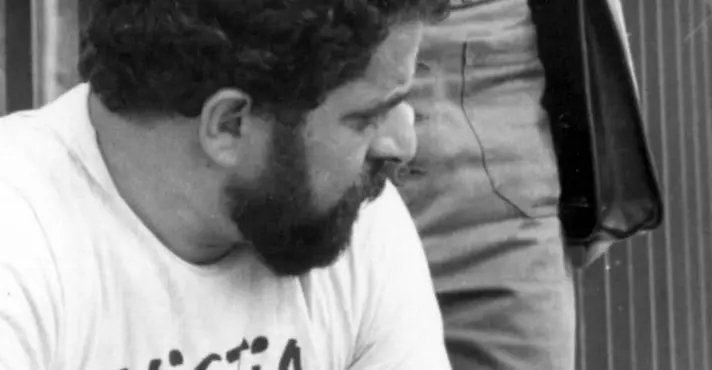
In a striking political maneuver, Michelle Bolsonaro, wife of former Brazilian President Jair Bolsonaro, recently took to social media to share a revealing photograph from 1979. The image depicts Luiz Inácio Lula da Silva, now Brazil’s president, wearing a t-shirt emblazoned with the word “anistia” (amnesty) during his days as a union leader. This bold move reignites a heated debate over amnesty that cuts to the heart of Brazil’s political divide, exposing what many conservatives see as Lula’s blatant hypocrisy.
Back in 1979, Lula was a key figure in the labor movement, advocating for amnesty to free political prisoners and exiles under Brazil’s military dictatorship. The Amnesty Law of that year, a product of those efforts, granted leniency to many, including Lula himself after his own imprisonment in 1980 for leading strikes. Fast forward to 2025, and the tables have turned. As president, Lula now opposes a proposed amnesty bill that would pardon supporters of Bolsonaro convicted for their roles in the January 8, 2023, riots. Conservatives argue this shift reveals a double standard: amnesty was acceptable when it served Lula’s interests, but now it’s a threat when it might benefit his political rivals.
Michelle Bolsonaro’s decision to spotlight this historical photo is a masterstroke of political messaging. It serves as a reminder that the same man who once championed forgiveness for his allies now stands firm against it for his foes. This inconsistency has fueled outrage among Bolsonaro’s base, who see the current administration’s refusal to support amnesty as a vindictive attempt to silence dissent. The timing is no coincidence—Congress is fast-tracking the amnesty bill, with a preliminary vote showing strong support, and the issue is poised to dominate Brazil’s political landscape ahead of the 2026 elections.
The irony deepens when considering the Supreme Federal Court’s recent ruling that amnesty cannot apply to crimes against democracy, a decision that conveniently aligns with Lula’s stance while sentencing Bolsonaro to 27 years. Conservatives view this as a politicized judiciary bending to the will of the left, protecting Lula’s power while punishing his predecessor. The 1979 photo underscores a historical parallel: just as the military regime’s crimes were shielded by amnesty, today’s establishment seeks to preserve its authority by denying the same grace to Bolsonaro’s supporters.
Adding fuel to the fire, international voices like U.S. Secretary of State Marco Rubio have weighed in, praising Brazil’s rule of law while subtly critiquing its application. For many conservatives, this signals a global recognition of the stakes—Brazil’s democratic integrity is on trial, and Lula’s refusal to embrace the amnesty he once fought for is a glaring contradiction.
This moment is a rallying cry for Brazil’s conservative movement. Michelle Bolsonaro’s post is more than a nostalgic jab; it’s a call to hold leaders accountable to their past principles. As the amnesty debate unfolds, the image of a young Lula advocating for forgiveness stands as a powerful symbol—challenging the current president to either justify his reversal or admit his current position is driven by political expediency rather than principle. For conservatives, the fight is clear: restore fairness, honor history, and ensure that amnesty, when granted, applies equally to all—not just the powerful.