

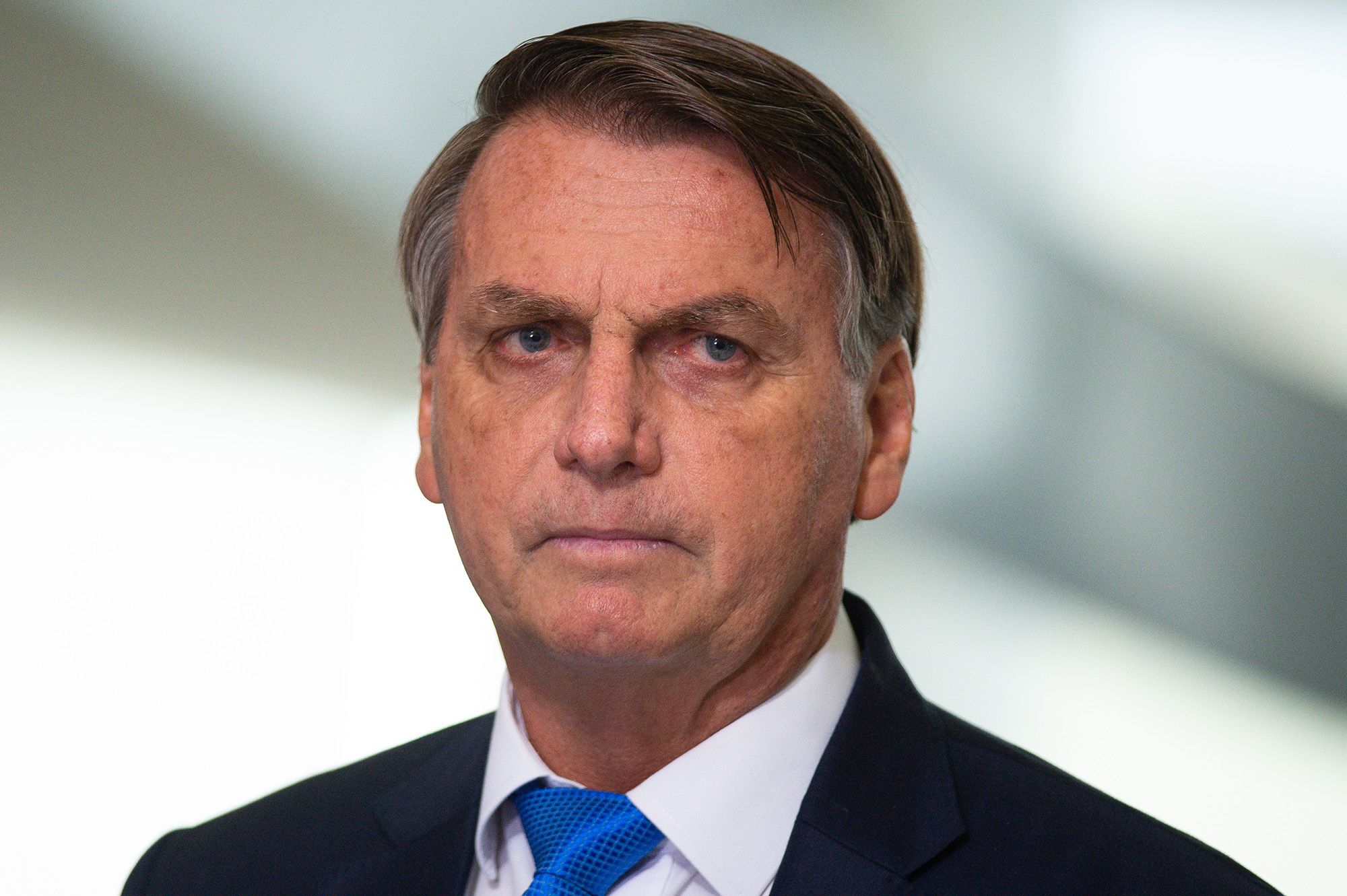

Moraes denies new request from Bolsonaro’s defense
Let’s dig in: Who’s involved?
Alexandre de Moraes: A minister of Brazil’s Supreme Court (STF), known for his firm stances on legal and constitutional matters.
Jair Bolsonaro: Former President of Brazil, affiliated with the Liberal Party (PL), currently facing legal scrutiny.
PGR (Attorney General’s Office): The entity that filed a complaint against Bolsonaro, triggering his defense’s response.The PGR has lodged a complaint against Bolsonaro, and his defense team is required to respond within a set deadline.
Observe that Bolsonaro’s legal team requested an 83-day extension to prepare their response, arguing they lacked “access to the full record” of the case. Minister Moraes denied the initial 83-day extension request and has now rejected a subsequent appeal to suspend the response deadline.
Legal Strategy of Bolsonaro’s Defense
The appeal hinges on the claim of insufficient access to case materials, a common legal tactic to delay proceedings or buy time to build a stronger defense. If true, this could raise questions about procedural fairness—defense teams are typically entitled to review all evidence to ensure due process.- However, the repeated denial by Moraes suggests either the court believes the defense has had adequate access or that the request is seen as a stalling maneuver rather than a legitimate grievance.
Moraes’ Position
Alexandre de Moraes has a reputation for being decisive and unsympathetic to what he perceives as dilatory tactics, especially in high-profile cases involving political figures. His rejection of both the extension and the appeal indicates he views the deadline as reasonable and the defense’s arguments as unpersuasive.
This could also signal the STF’s intent to expedite proceedings against Bolsonaro, possibly reflecting the gravity of the PGR’s complaint or a broader judicial push to resolve politically charged cases efficiently.
For Bolsonaro the denial adds pressure on his legal team to respond quickly, potentially weakening their ability to mount a comprehensive defense if they genuinely lack full access to evidence. It also keeps the former president under legal scrutiny, which could impact his political standing or future ambitions.
For the STF”es: Moraes’ rulings reinforce the court’s authority and its resistance to perceived attempts at delay, which may bolster public perception of judicial impartiality—or fuel criticism from Bolsonaro’s supporters who see this as targeting their leader.
Given Bolsonaro’s polarizing legacy, this development could deepen the divide between his base and opponents, especially if the complaint involves contentious issues from his presidency (e.g., election disputes, COVID-19 policies, or alleged misconduct).
Unanswered Questions
– What is the nature of the PGR’s complaint? Without specifics, it’s hard to gauge the stakes fully—whether it’s a minor procedural issue or a serious accusation like corruption or abuse of power.– Has the defense’s claim of limited access been independently verified? If Moraes dismissed it without evidence, it might invite accusations of bias; if he has proof of access, the defense’s argument collapses.
Minister Moraes’ denial of Bolsonaro’s appeal reflects a judicial stance prioritizing efficiency and rejecting what the court likely views as an unjustified delay. For Bolsonaro, this tightens the legal noose, forcing a faster response that could either expose weaknesses in his defense or galvanize his narrative of victimhood among supporters. The situation underscores ongoing tensions between Brazil’s judiciary and its political class, with Moraes playing a central role in asserting the STF’s authority.
As usual Moraes is treating Bolsonaro as a criminal. The accusations are not strong but then again among the supreme judges above the Law. They need Bolsonaro out of the Elections forever and worse, in jail, where he will be fearing for his life.
the Hotspotorlando News