

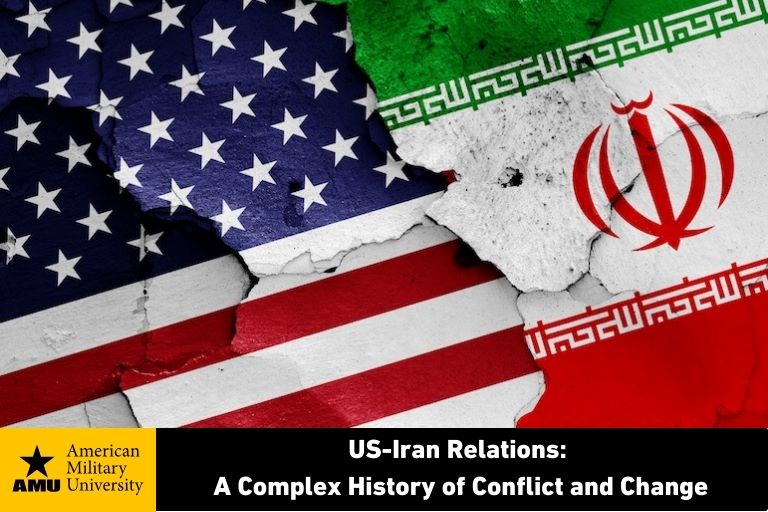

The Reality of the US-Iran Conflict and What Lies Ahead
By Hotspotnews
The Reality of the US-Iran Conflict and What Lies Ahead
Nearly six months into the conflict that began with joint US-Israeli strikes on Iran in late February 2026, the situation has settled into a grinding stalemate. What started as a campaign aimed at dismantling Iran’s nuclear capabilities, missile forces, and ability to threaten shipping has evolved into a war of attrition marked by intermittent military exchanges, economic pressure, and failed diplomacy.
A June 17 Memorandum of Understanding briefly raised hopes of a ceasefire and a 60-day window to negotiate a broader settlement covering the Strait of Hormuz, Iran’s nuclear program, sanctions relief, and reconstruction. That window expired around August 17 without a final agreement or extension. President Donald Trump has since stated that no talks or conversations with Iran are underway or scheduled. The US naval blockade of Iranian ports remains in force. Iran, for its part, insists the Strait of Hormuz will stay restricted until Washington lifts the blockade, eases oil sanctions, releases frozen assets, and ends military operations.
The Strait of Hormuz remains the central flashpoint. Before the war it carried roughly one-fifth of the world’s oil and a significant share of liquefied natural gas, with more than 100 ships passing daily. Today commercial traffic is a small fraction of that level—often single-digit daily crossings—while war-risk insurance remains extremely high. The United States maintains the waterway is open under its influence and has facilitated limited, often covert, transits along southern corridors. Iran asserts effective control and has linked any reopening to its conditions. Occasional projectile strikes on vessels continue to deter shippers. Global oil prices have responded accordingly, with Brent crude hovering near $91 a barrel.
Many observers are surprised that Iran still retains significant influence over the strait despite months of US and Israeli airstrikes. The reason is structural. Iran never needed a large conventional navy to threaten the waterway. Its remaining tools—mobile coastal missiles, drones, small fast boats, and mines—are dispersed, difficult to locate and destroy completely from the air, and highly effective in a narrow channel only about 21 miles wide at its tightest point. Geography itself favors Iran along its long coastline and nearby islands. Even residual capabilities are enough to keep insurance rates elevated and commercial operators cautious. Full control of the strait would require not only dominating the water but neutralizing threats on Iranian territory and keeping them suppressed indefinitely—an extremely demanding task.
Iran’s nuclear infrastructure was heavily damaged by successive rounds of strikes, yet residual capabilities and the question of enriched material stockpiles have not been resolved. Trump has repeatedly framed the core US demand as the complete elimination of any Iranian nuclear weapons potential, arguing Tehran would use such weapons if it obtained them. Iran continues to reject full disarmament on those terms.
On the economic front, the conflict has disrupted energy markets, raised costs for importers (especially in Asia), and prompted some redirection of tanker traffic toward alternative sources, including US Gulf Coast and Alaskan crude. The Trump administration has signaled a pivot toward intensified economic pressure on Iran and countries that continue trading with it. Iran has indicated a shift toward a more offensive military posture amid the diplomatic freeze. Regional partners have felt the strain—most recently the UAE suspending financial and commercial ties with Iran after reported missile activity.
What should we expect in the future?
A rapid comprehensive peace deal appears unlikely in the near term. The most probable path is continued low-to-medium intensity conflict: selective US and Israeli strikes on Iranian military and dual-use targets, Iranian responses against shipping or regional assets, and sustained economic strangulation via the blockade. Back-channel contacts may resume intermittently, but Trump’s public stance suggests any return to the table will require clear Iranian movement on the nuclear red line and Hormuz access.
The Strait of Hormuz is unlikely to return to pre-war normalcy without significant concessions from one or both sides. Markets are already pricing in a prolonged disruption, with elevated oil prices and greater reliance on non-Gulf supplies expected to persist into late 2026 and possibly 2027. US domestic production and Western Hemisphere exports will continue to play a larger role as global buyers adapt.
Taking fuller or lasting US control of the strait faces steep obstacles. Options discussed by analysts include expanding current escort and strike operations along the southern corridor, maintaining a much larger long-term naval presence, building a multinational freedom-of-navigation force, applying heavier economic pressure until Iran accepts free passage, or—most demanding of all—ground or amphibious operations to clear coastal threats. Each carries high costs, escalation risks, and sustainability challenges. A purely military solution that permanently eliminates Iran’s ability to threaten the waterway is widely viewed as extremely difficult without a decisive political settlement or a far larger commitment than has been made so far. Longer-term infrastructure projects that bypass the strait entirely could gradually reduce its strategic importance, but that process would take years.
Nuclear negotiations, if they restart, will remain the hardest track. Achieving verifiable zero enrichment or complete dismantlement faces deep mutual distrust. Partial or temporary arrangements—longer enrichment freezes, enhanced monitoring, or stockpile reductions—are more plausible than an absolute resolution.
Political calendars will matter. US midterm elections in November 2026 could influence the administration’s willingness to escalate or de-escalate. Iran’s leadership, having survived the initial blows and installed new figures after earlier losses, appears prepared to endure further economic pain in the belief that time and higher energy costs will pressure Washington.
Risks of sharper escalation remain real—wider regional involvement, attacks on critical infrastructure, or miscalculation in the Gulf. At the same time, mutual fatigue and the economic costs of prolonged disruption create incentives for eventual limited understandings. The most realistic outlook is an extended period of managed hostility rather than either decisive victory or full normalization.
In short, the conflict has entered a phase of attrition in which neither side has achieved its maximal aims, diplomacy has stalled, and the global energy system continues to absorb the consequences. Stability will depend less on dramatic breakthroughs than on whether both capitals decide the costs of continued confrontation outweigh the risks of compromise.
#USIranConflict #StraitOfHormuz #MiddleEastCrisis #OilMarkets #NuclearTalks #Geopolitics2026
Sources: Compiled from reporting by Reuters, The New York Times, Kpler maritime data, UANI shipping updates, congressional research assessments, and official statements from US and Iranian officials as of August 19–20, 2026.
#USIranConflict #StraitOfHormuz #MiddleEastCrisis #OilMarkets #NuclearTalks #Geopolitics2026
Sources: Compiled from reporting by Reuters, The New York Times, Kpler maritime data, UANI shipping updates, and official statements from US and Iranian officials as of August 19–20, 2026.