

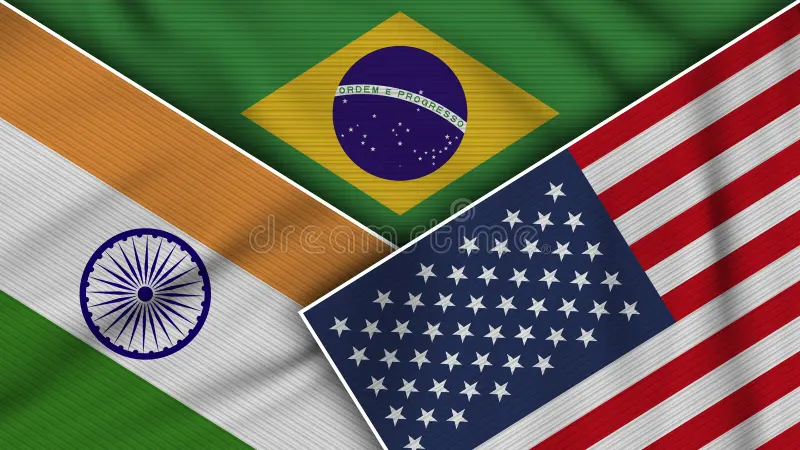

Trump’s Bold Move to Secure Critical Minerals: America First vs. Globalist Holdouts
By Hotspotnews
In a decisive step to reclaim American dominance in the strategic resources that power our economy, defense, and future technologies, the Trump administration has launched an aggressive campaign to build resilient critical minerals supply chains free from Chinese Communist Party control.
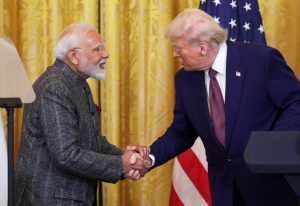
The recent 2026 Critical Minerals Ministerial in Washington, D.C., marked a turning point: Vice President JD Vance proposed a preferential trading bloc among trusted allies, complete with coordinated price floors, targeted tariffs, and mechanisms to reward cooperation while punishing dependence on adversarial suppliers. Secretary of State Marco Rubio hosted delegations from over 50 nations, launching the Forum on Resource Geostrategic Engagement (FORGE) as a bold successor to previous efforts, backed by billions in U.S. financing and new bilateral frameworks.
This is classic America First leadership. President Trump isn’t begging for scraps from Beijing—he’s forging alliances that put U.S. national security and economic strength first. Project Vault, the groundbreaking $12 billion domestic strategic reserve announced earlier this month, shields American manufacturers from supply shocks by stockpiling essential materials like rare earths, lithium, cobalt, and more. Combined with over $30 billion in mobilized investments and 11 new bilateral MOUs signed at the ministerial (with partners like Argentina, the UK, UAE, and others), these moves are already mobilizing private capital and creating multiplier effects to expand domestic production and processing.
India, under Prime Minister Modi, has wisely aligned itself with this vision. External Affairs Minister S. Jaishankar attended the ministerial, met with Secretary Rubio, and explicitly backed FORGE, describing U.S.-India critical minerals cooperation as “advancing rapidly.” This builds on the recent historic trade deal that slashes tariffs on Indian goods and opens doors for deeper strategic ties through the Quad and bilateral channels. India recognizes the threat of excessive concentration in global supply chains—code for China’s near-monopoly on processing—and is positioning itself as a key player in a free-world alternative. For conservatives who value strong partnerships with reliable democracies, India’s embrace of the U.S.-led bloc is a welcome sign of shared commitment to countering authoritarian dominance.
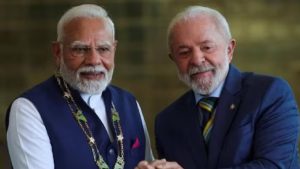 Brazil, however, is choosing a different—and riskier—path. Under socialist President Lula da Silva, Brazil attended the ministerial but rejected joining restrictive U.S.-led frameworks like FORGE or its predecessors. Instead, Lula’s government is prioritizing “sovereign” bilateral deals, insisting on local processing to avoid becoming a mere raw exporter, and accelerating negotiations with India for joint ventures in niobium, rare earths, and more. While protecting domestic industry sounds reasonable on paper, this go-it-alone approach—coupled with Lula’s cozy ties to China and BRICS rhetoric—leaves Brazil isolated from the emerging allied trading zone. As the U.S. bloc hardens with incentives like preferential access and penalties for outsiders, holdouts like Brazil could face higher costs, reduced investment, and diminished market leverage.
The contrast couldn’t be clearer: India is hedging smartly toward the winning side, gaining access to U.S. technology, financing, and markets while advancing its own self-reliance. Brazil, blinded by leftist ideology and anti-American posturing, risks sidelining its vast reserves in a world where buyers increasingly demand bloc-compliant sources. Lula’s refusal to align with America’s push for secure, fair-trade supply chains isn’t sovereignty—it’s strategic self-sabotage that could cost Brazilian workers jobs and growth.
President Trump’s vision is unapologetically pro-American: secure our minerals, reward our allies, and starve the CCP’s stranglehold. As FORGE grows and Project Vault takes shape, the free world has a real chance to break China’s grip. Nations like India that step up will thrive. Those that cling to outdated globalist illusions or socialist fantasies will be left behind. America is leading again—it’s time for our partners to follow, or face the consequences of sitting on the sidelines.