

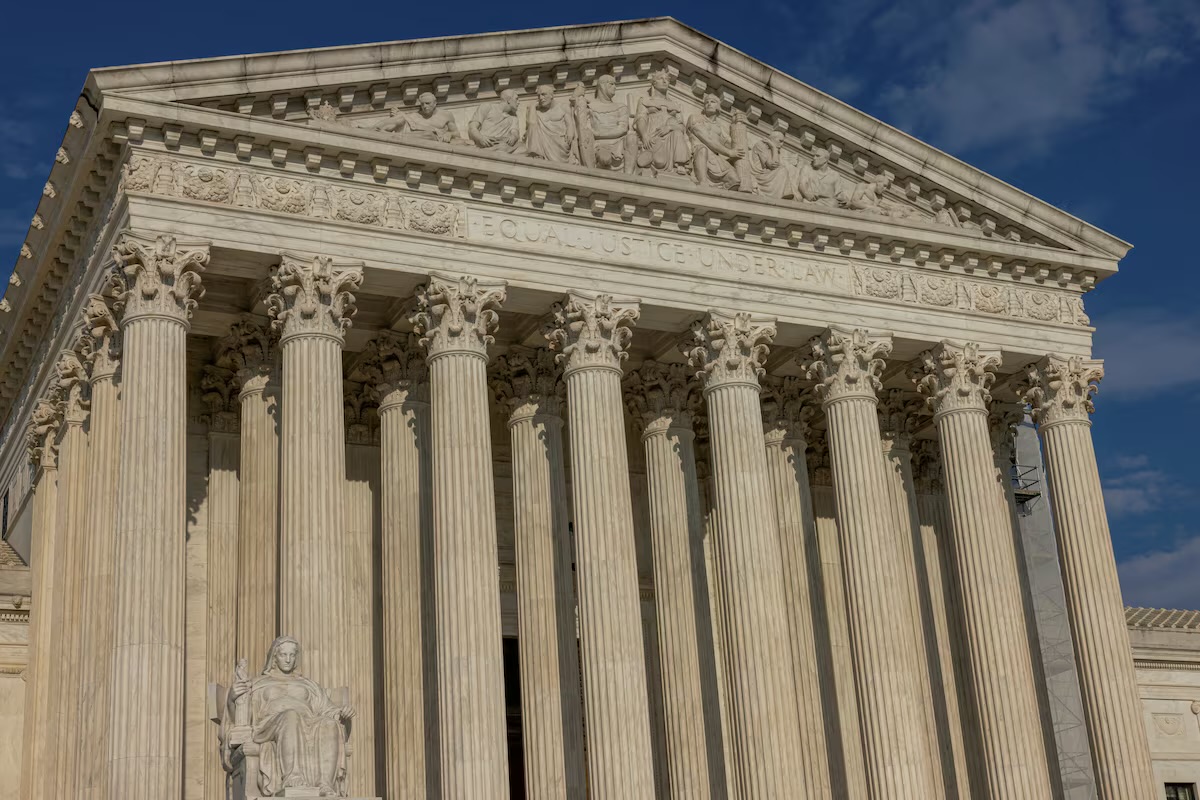

The U.S. Supreme Court’s decision on March 5, 2025, to deny the Trump administration’s request to withhold payments to foreign aid groups for work already performed marks a significant legal and political development. This 5-4 ruling, with Chief Justice John Roberts and Justice Amy Coney Barrett joining the court’s three liberal justices, upheld a lower court order by U.S. District Judge Amir Ali, requiring the administration to release nearly $2 billion in funding to contractors and grant recipients of the U.S. Agency for International Development (USAID) and the State Department. Below is an analysis of the decision, its context, implications, and underlying dynamics.
On January 20, 2025, President Donald Trump, upon returning to office, issued an executive order imposing a 90-day pause on all foreign aid, aligning with his “America First” agenda. This move effectively halted USAID and State Department operations globally, disrupting humanitarian efforts such as food and medical aid delivery. Foreign aid organizations, including the AIDS Vaccine Advocacy Coalition, Journalism Development Network, DAI Global, and HIAS, sued the administration, arguing that the freeze exceeded Trump’s authority under federal law and the Constitution by dismantling an independent agency and canceling Congressionally authorized spending.
Judge Ali, appointed by former President Joe Biden, issued a temporary restraining order (TRO) on February 13, 2025, barring the administration from suspending payments. When the administration failed to comply, Ali issued an enforcement order on February 25, setting a deadline of February 26 for payments covering work completed before the TRO. The administration sought emergency relief from the Supreme Court, which Chief Justice Roberts temporarily paused on February 26, but the final ruling on March 5 rejected their broader request to block the payments.
The Supreme Court’s Decision
The 5-4 decision reflects a narrow but pivotal defeat for the Trump administration. The majority—comprising Justices Roberts, Barrett, and the three liberal justices (likely Justices Sonia Sotomayor, Elena Kagan, and Ketanji Brown Jackson)—declined to overturn Ali’s order. Instead, they instructed the district judge to clarify compliance obligations “with due regard for the feasibility of any compliance timelines,” acknowledging that the original deadline had lapsed. The dissenting conservative justices—Samuel Alito, Clarence Thomas, Neil Gorsuch, and Brett Kavanaugh—opposed the ruling, with Alito arguing that Ali lacked authority to mandate such payments, calling it “judicial hubris” that imposed a $2 billion burden on taxpayers.
Judicial Oversight vs. Executive Power
The ruling reinforces judicial authority to check executive overreach, particularly in matters of federal spending. The aid groups argued that Trump’s actions violated the Administrative Procedure Act and the Constitution by unilaterally altering Congressionally approved budgets. The majority’s decision suggests a willingness to uphold these checks, even against a president asserting broad foreign policy discretion.
By asking Ali to adjust timelines, the Court balanced practicality with principle, avoiding an outright logistical burden on the administration while affirming the obligation to pay for completed work. This nuance indicates a pragmatic approach rather than a blanket endorsement of the lower court’s rigidity.
The decision is a setback to Trump’s aggressive push to dismantle foreign aid infrastructure, a cornerstone of his second-term agenda. His administration, backed by adviser Elon Musk, has sought to shrink federal spending and agencies like USAID, which disbursed $43.79 billion in 2023. The ruling complicates these efforts by mandating payments for past obligations, potentially slowing broader cuts.
The split vote highlights ideological fractures within the Court’s 6-3 conservative majority. Roberts and Barrett, both conservative appointees (Roberts by George W. Bush, Barrett by Trump), siding with liberals suggests a limit to partisan alignment on issues of administrative law and humanitarian impact. This alignment echoes Roberts’ history of occasional centrist swings, while Barrett’s vote may reflect a narrower focus on legal process over policy preference.
Humanitarian and Practical Impact
– The aid groups emphasized “extraordinary and irreversible harm” from the funding freeze, including layoffs, program closures, and risks to millions globally. The ruling ensures payment for past work, offering temporary relief, but does not resolve the broader freeze, leaving future funding uncertain as Ali’s TRO expires March 10 unless extended.
– Critics of the freeze, including aid organizations, argue it undermines U.S. interests by destabilizing regions reliant on American support, potentially exacerbating disease and conflict. The administration counters that such spending is wasteful, aligning with Trump’s base but clashing with globalist perspectives.
Dissenting Perspective
– The conservative dissent, led by Alito, frames the decision as an overstep by an unelected judiciary into executive and taxpayer domains. This view aligns with Trump’s narrative of judicial interference in his mandate, potentially fueling political rhetoric about “deep state” resistance.
Broader Implications
Short-Term Outcome
The administration must now pay nearly $2 billion for prior work, a logistical challenge given its claims of dismantled payment systems. This could force a reallocation of resources or a temporary retreat from broader cuts.
Long-Term Uncertainty
The ruling does not address the legality of Trump’s 90-day pause or future funding, leaving room for further litigation. A scheduled March 6 hearing on a preliminary injunction could escalate the conflict.
Political Fallout
Trump and his allies may leverage the dissent to rally supporters against the judiciary, while opponents will see it as a victory for accountability and humanitarian priorities.
The decision exposes tensions between executive ambition and institutional constraints, a recurring theme in Trump’s tenure. While the administration’s “America First” logic resonates with fiscal conservatives, the practical fallout—disrupted aid, strained alliances—challenges its efficacy. The Court’s majority, by prioritizing completed obligations over ideological purity, signals a commitment to stability over disruption, though the dissent underscores a counter-narrative of judicial overreach. The lack of a detailed rationale from the majority leaves room for speculation about their reasoning, possibly a deliberate choice to avoid broader precedent-setting amid a politically charged case.
This ruling is a tactical loss for Trump but not a strategic defeat, as the fight over foreign aid’s future continues. It underscores the judiciary’s role as a brake on executive unilateralism, while leaving unresolved questions about the balance of power in U.S. foreign policy.
the Hotspotorlando News
sources: AI, EPOCH TIMES, TELEGRAM