


When Bankers Play Thug: The Vorcaro Plot Exposes Elite Impunity
By Hotspotnews
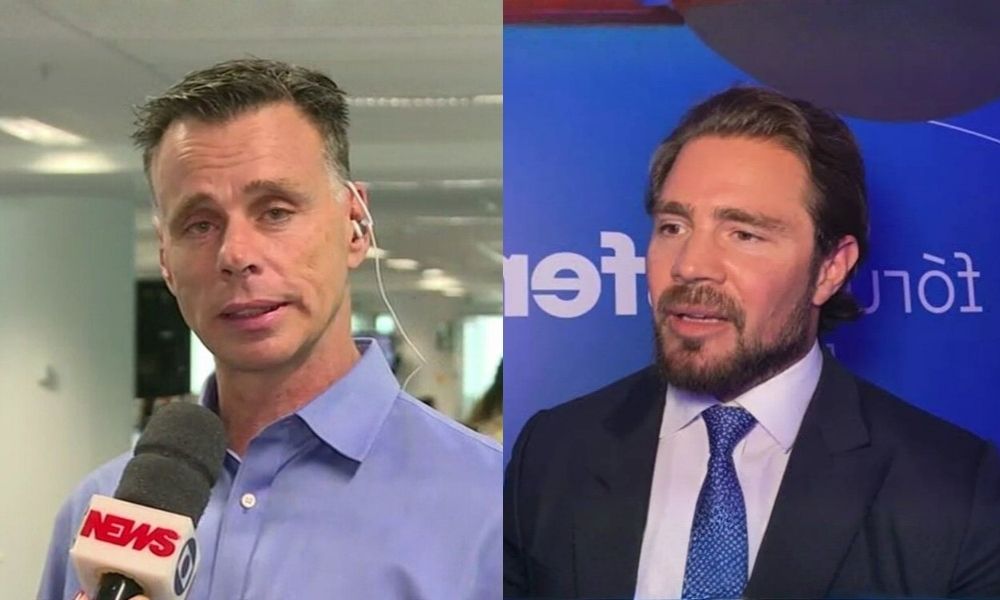
The recent revelations surrounding Daniel Vorcaro, the former head of Banco Master, expose a troubling pattern of entitlement and thuggery among certain powerful figures in Brazil’s financial elite. Vorcaro, already embroiled in serious fraud investigations, now faces fresh accusations of plotting violent intimidation against journalist Lauro Jardim of O Globo—a plan that reportedly involved staging a fake assault to physically harm the columnist and silence his reporting.
According to court documents from Minister André Mendonça of the Supreme Federal Court, messages recovered from Vorcaro’s devices explicitly discuss “mandar dar um pau nele” and “quebrar todos os dentes” under the guise of a robbery. The clear intent, as Mendonça noted, was to muzzle any press coverage that challenged Vorcaro’s private business interests. This is not mere tough talk; it represents a calculated effort to substitute brute force for accountability.
Conservatives have long warned about the dangers of unchecked power, whether wielded by politicians, bureaucrats, or wealthy insiders who believe their money places them above the law. Vorcaro’s alleged scheme fits this archetype perfectly: a financier who, when cornered by legitimate journalistic scrutiny, reportedly turned to criminal tactics rather than defending himself through open debate or legal means. The irony is thick—Jardim, a columnist often criticized from the right for his proximity to establishment narratives and his past reluctance to challenge certain judicial overreaches, now finds himself the target of the very kind of authoritarian impulse that many on the right have decried when directed at other voices.
Yet this episode should serve as a broader wake-up call. When influential figures feel emboldened to threaten physical harm against reporters—any reporters—it erodes the rule of law and public trust in institutions. Freedom of the press is not a leftist slogan; it is a cornerstone of ordered liberty. A society where billionaires can orchestrate assaults to quiet inconvenient coverage is one sliding toward lawlessness, regardless of the political leanings of the journalist involved.
Vorcaro’s actions, if proven, deserve the harshest condemnation and swift justice. No one should be above the law—not Supreme Court ministers, not former presidents, and certainly not bankers who treat violence as a business expense. The right response is not selective outrage depending on the target’s ideology, but a firm defense of principle: threats and violence have no place in resolving disputes in a civilized republic.
This scandal also highlights the rot that can fester when cronyism and impunity intersect. Vorcaro’s orbit reportedly included connections across the political spectrum, raising legitimate questions about how deep the protection racket runs. True conservatives should demand transparency and accountability here, just as they do when powerful left-leaning actors abuse their positions.
In the end, violence against journalists—left, right, or center—is an attack on every citizen’s right to know the truth. Let the full weight of the law fall on those who would replace argument with fists. Brazil deserves better than a system where the powerful can plot to “break teeth” rather than face hard questions.