


Elon Musk’s Stand Against Brazil’s Censorship Overreach
By Hotspotorlando News
Elon Musk, the billionaire entrepreneur and champion of free speech, is locked in a high-stakes battle with the Brazilian government, exposing what many conservatives see as a troubling trend of global authoritarianism. The conflict, centered on Musk’s platform X, underscores a broader fight to preserve individual liberty and resist government overreach in the digital age.
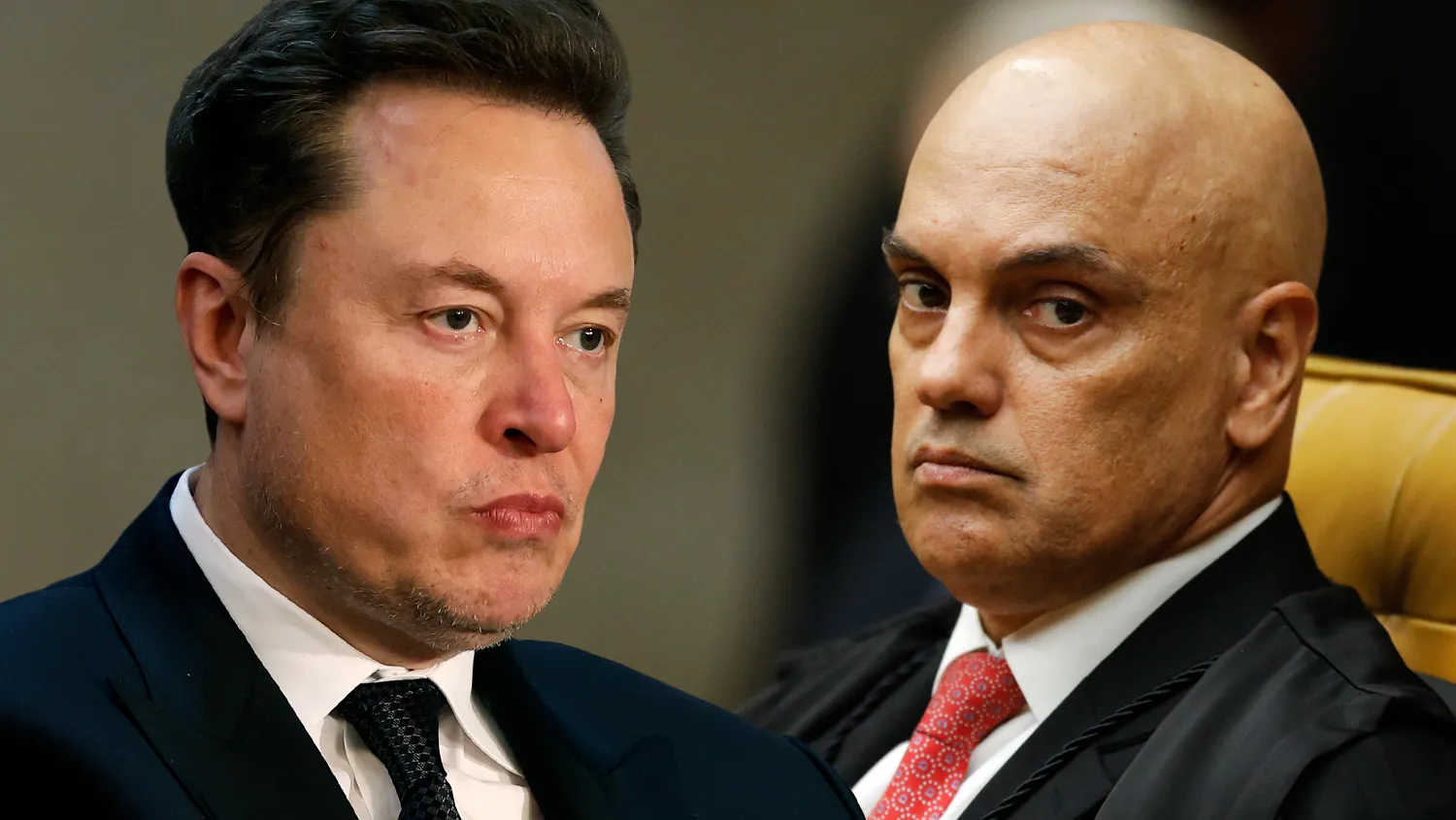
At the heart of the dispute is Brazil’s Supreme Court Justice Alexandre de Moraes, who has demanded that X suspend accounts and remove content deemed objectionable by the state. Moraes went so far as to order the seizure of approximately $2 million from Starlink, Musk’s satellite internet company, to enforce fines against X for non-compliance. This aggressive move, coupled with orders to appoint a local legal representative, smacks of a power grab designed to silence dissent and control the flow of information.
Musk, true to his principles, initially refused to comply, calling the demands censorship and a violation of free expression. His defiance led to X’s temporary suspension in Brazil, a nation where the platform serves millions. For conservatives, this is a stark reminder of how far governments will go to suppress voices that challenge their narrative. Musk’s refusal to bow to Moraes’ orders echoes the same spirit that drives conservative resistance to Big Tech censorship and government collusion in the United States.
Rather than file a direct lawsuit, Musk and X Corp. have taken a bold step by appealing to the U.S. government to investigate Brazil under Section 301, citing unfair trade practices and violations of international norms. This strategic move signals that Musk is not just fighting for X but for the broader principle that no government should have the power to dictate what people say or see online. It’s a fight that resonates with conservatives who have long warned of creeping globalism and the erosion of sovereignty through unelected judicial fiat.
The Brazilian government’s actions are a case study in overreach. By targeting Starlink’s assets and demanding compliance, Moraes has shown a willingness to punish private enterprises for refusing to bend the knee. This sets a dangerous precedent, one that could embolden other nations to follow suit, threatening the global internet’s openness. For conservatives, Musk’s stand is a defense of the free market and the right to speak without fear of retribution.
While X has since complied with some of Brazil’s demands, including appointing a legal representative and paying fines to restore service, Musk’s broader message remains clear: the fight for free speech is far from over. His actions remind us that liberty requires constant vigilance, especially when powerful institutions seek to control the public square. Conservatives should rally behind Musk, not just as a defender of X but as a warrior against the global tide of censorship and control.