


A Quiet Room of Volunteers and a Bet on Fiscal Discipline
By Hotspotnews
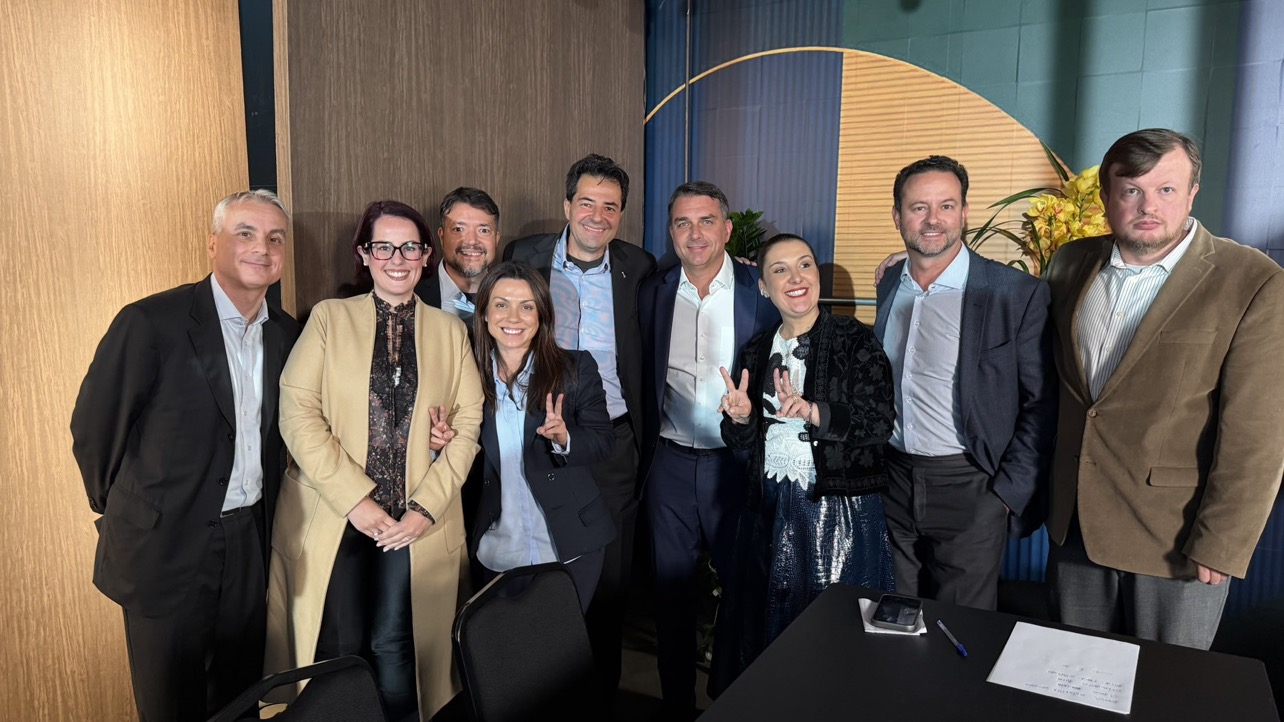
On September 23, former mines and energy minister Adolfo Sachsida posted a photograph of a small group of specialists who had just met with Senator Flavio Bolsonaro. Sachsida described them as part of a larger volunteer effort—nearly 100 PhDs, professors, researchers, and practitioners in economics, law, statistics, and public administration—who have been drafting policy proposals since November 2025. The tone of the post was straightforward: qualified people giving time to turn ideas into measures they believe can restore growth.
The work sits inside a familiar conservative diagnosis. Public debt has risen as a share of GDP, long-term interest rates remain high, and private investment is crowded out. Team members such as Sachsida and former Caixa president Daniella Marques have publicly sketched a response built around a tighter fiscal rule anchored to the debt-to-GDP ratio rather than primary-balance targets they consider easier to evade. Reporting in Folha, Reuters, and G1 has described proposals for an initial spending adjustment on the order of 1.5 percent of GDP, a review of tax expenditures and administrative bloat, and greater use of concessions and asset monetization.
One concrete idea that surfaced the same week is a fund, labeled SOS Brasil by the candidate, that would draw on oil royalties after a possible shift from production-sharing to concession contracts, securitization of performing federal receivables, and better use of the Union’s large real-estate portfolio. The stated sequence is first to reduce the stock of public debt in the hope of lowering the Selic, then to refinance household debts at inflation-linked rates through Caixa. Valor Econômico and G1 covered the announcement; the numbers remain campaign estimates, not enacted law.
Sachsida’s earlier “Projeto Brasil” texts, reported by Folha in May, also emphasize privatization or concession of low-efficiency state activities, digitalization of services to shrink the Custo Brasil, and limits on subsidized credit. Daniella Marques has spoken of a “revogaço” of infralegal rules in the first hundred days while Congress considers more durable legislation. These are classic supply-side and fiscal-conservative tools: constrain the growth of government, improve the investment climate, and let private capital do more of the heavy lifting.
Whether the package can survive Congress, courts, and the arithmetic of entitlements is an open question. Independent analysts have noted that a durable reduction in the debt ratio may require larger adjustments than 1.5 percent of GDP. The campaign has not yet named a finance minister. Still, the existence of a sizable volunteer technical team—people who already served in the previous administration or in markets—signals that at least one side of the 2026 contest is treating macroeconomic credibility as a first-order problem rather than an afterthought.
Brazil’s recent history shows that growth returns when inflation expectations fall, the fiscal trajectory looks credible, and entrepreneurs can plan beyond the next electoral cycle. The meeting Sachsida photographed is one small illustration of that wager.
Sources: Reuters, Folha de S.Paulo, G1, Valor Econômico, Gazeta do Povo, JC Negócios.
#FiscalResponsibility #CaminhoDaProsperidade #EconomiaBrasileira #ReformaFiscal #Brasil2026