


China Tightens the Tap on Brazilian Beef After Years of Courtship
By Hotspotnews
Brazil’s largest customer just charged extra for the privilege. Starting October 1, Chinese buyers pay an additional 55 percent duty on Brazilian beef that exceeds Beijing’s 1.1 million-ton annual quota. Combined with the existing 12 percent tariff, the effective rate hits 67 percent. The quota filled on September 29. Packers already slowed shipments in July and August; now the remaining months of 2026 look even thinner.
This was not a surprise. China announced the safeguard in late 2025 to protect its own cattle producers after imports surged. Brazil shipped roughly 1.68 million tons to China in 2025. The new cap was set at about 65 percent of that volume. Exporters kept selling at a pace that exhausted the allotment months early. President Lula’s government asked China to let Brazil use unused Uruguayan quota. Beijing has not agreed.
The timing lands on a sector already arguing that Brasília opened other doors too wide. In 2025 the government authorized Vietnamese tilapia imports as part of a BRICS-linked market-access swap that also expanded Brazilian beef sales to Vietnam. Domestic fish farmers said cheaper Asian fillets, possible subsidies, and weaker sanitary standards undercut local production. At the same time tilapia was placed on Brazil’s official list of invasive exotic species, creating licensing uncertainty even as imports arrived. China later requested protocols to sell its own tilapia and shrimp into Brazil. Producers called it one-way reciprocity.
Farm-state federations have spent 2026 complaining about high interest rates, delayed rural-debt relief, and weak crop insurance. A recent campaign remark by Lula—that producers should “kneel” in gratitude for federal money—drew an immediate rebuke from Paraná’s FAEP and the agricultural caucus. They answered that credit is tight, insurance is late, and policy risk is high.
None of this erases the larger picture. Agribusiness still accounts for a large share of Brazilian exports. Soy volumes held up. Beef revenue rose even as China tonnage slipped, helped by higher prices and extra sales to the United States and other markets. Record or near-record years in 2025 showed what Brazilian farms can do when markets stay open.
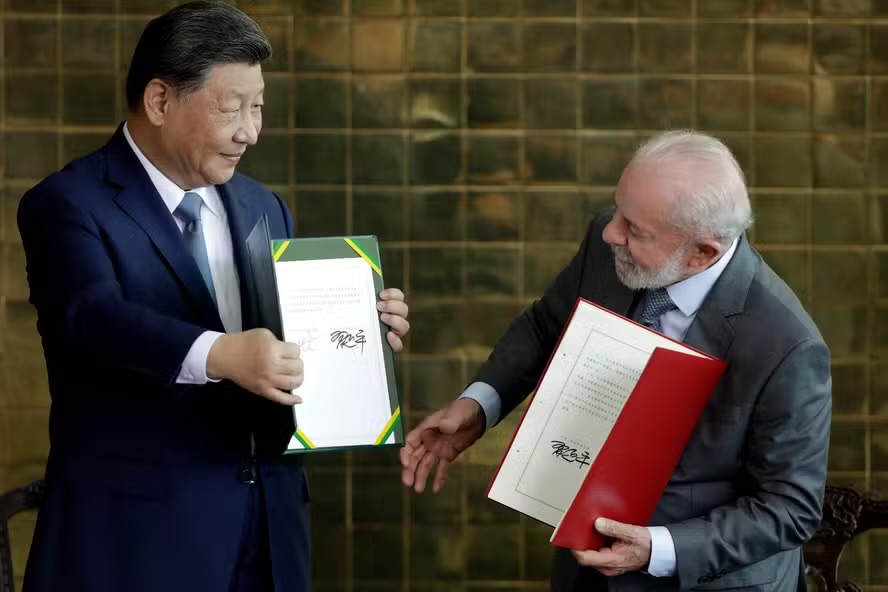
The conservative critique is straightforward. Concentrating so much protein and grain on one buyer that writes its own rules creates leverage Beijing is willing to use. Photo-ops and South-South rhetoric do not change the fact that China, like every other large economy, protects its farmers when it wants to. Opening the home market to cheaper fish while the largest meat customer slaps a 67 percent wall on excess beef is the kind of trade-off producers notice first. Diversifying destinations and demanding reciprocal access is not anti-China. It is basic risk management for the people who actually grow the food.
#BrazilAgro #ChinaTrade #BeefExports #Lula #FarmersFirst #TradeReciprocity
Sources: China’s Ministry of Commerce announcement; Brazilian Association of Meat Exporting Industries (Abiec); Reuters; Forbes Agro; Folha de S.Paulo; Gazeta do Povo; Ministry of Agriculture and Livestock (Mapa) statements; Cepea/Secex trade data.