


Judicial Tyranny in Brazil: Moraes Silences Bolsonaro and Slaps Ally Milei
By Hotspotnews
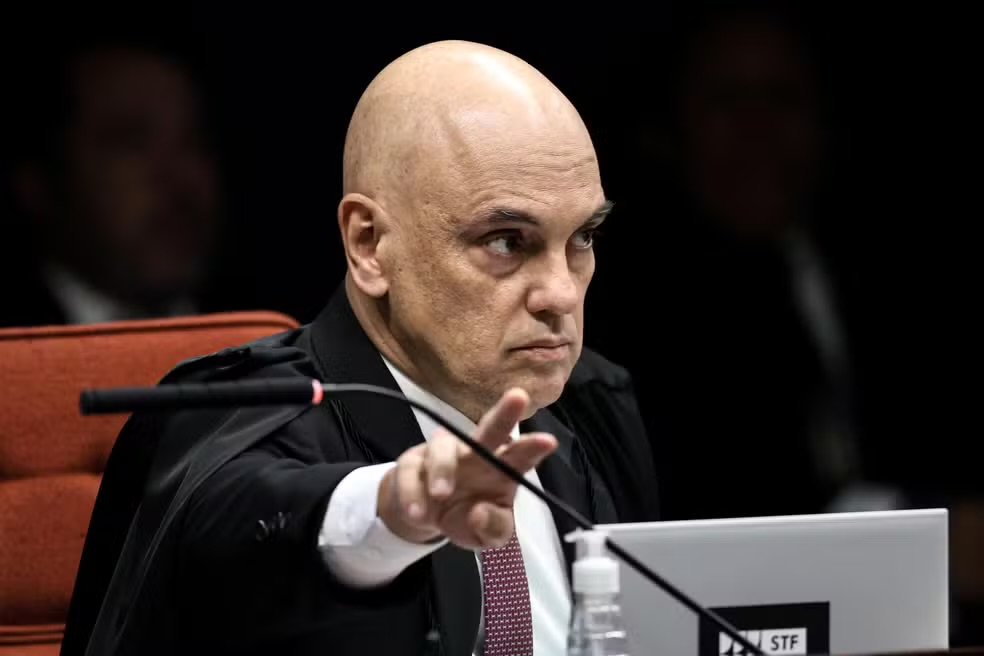
As expected in one more move that of political persecution and authoritarian overreach, Brazilian Supreme Court Justice Alexandre de Moraes has once again wielded his unchecked power to isolate former President Jair Bolsonaro. On Saturday, Moraes rejected a request for Argentine President Javier Milei — a fellow defender of liberty and economic sanity — to visit the ailing Bolsonaro, who remains confined under house arrest for health reasons.
This isn’t justice. It’s lawfare, plain and simple. Bolsonaro, the populist leader who challenged the establishment and delivered real results for Brazil during his presidency, now finds himself muzzled not just by physical restrictions but by a judicial system weaponized against conservative voices. Moraes, acting as prosecutor, judge, and executioner in multiple cases targeting Bolsonaro and his supporters, has suspended visits for 30 days (beyond medical and legal necessities) and explicitly banned any “political-electoral” contact until after the 2026 elections. The message is clear: the left cannot risk letting Bolsonaro’s influence resonate, even from his own home.
Enter Milei, the chainsaw-wielding libertarian who rescued Argentina from socialist ruin with bold reforms, deregulation, and a commitment to free markets. His planned visit wasn’t just a courtesy call between ideological allies; it symbolized a growing alliance of sovereign nations rejecting globalist overreach and woke tyranny. Milei, a vocal Trump supporter and critic of leftist authoritarianism, represents everything the Brazilian establishment fears: unapologetic defense of individual rights, economic freedom, and national sovereignty. Denying him access to Bolsonaro is a direct snub to that vision — and a warning shot to anyone who dares align with it.
Pattern of Control
Let’s be honest about the bigger picture. Under President Lula da Silva’s government, Brazil has slid toward a troubling concentration of power in the judiciary. Moraes has blocked social media accounts, imposed massive fines, and pursued endless investigations that conveniently target the right while shielding allies. Bolsonaro faces accusations tied to January 8 events and alleged “coup” plotting — charges many view as exaggerated or fabricated to eliminate a potent political rival ahead of elections.
This decision doesn’t protect democracy; it undermines it. True democracy thrives on open debate, free association, and the ability of leaders — even those out of power — to engage with international partners. Instead, we’re witnessing the isolation of a former president whose popularity endures despite the legal onslaught. Supporters rightly call it “silencing” — a calculated effort to erase Bolsonaro’s voice from the national conversation while Lula’s administration navigates its own scandals and economic challenges.
Echoes of Broader Global Struggle
Contrast this with leaders like Milei and Donald Trump, who prioritize results over entrenched bureaucracies. They cut red tape, empower citizens, and stand against judicial activism masquerading as guardianship. Brazil’s actions send a chilling signal across Latin America and beyond: conservative success will be met with institutional resistance, not fair play.
Bolsonaro’s house arrest stems from health issues, yet the added layers of political prohibition suggest the goal isn’t security or justice — it’s containment. As Brazilians head toward 2026, this episode exposes the fragility of checks and balances when one branch dominates. Conservatives worldwide should watch closely. If a nation as vibrant as Brazil can normalize such overreach, no free society is truly safe.
The Brazilian people doesn’t need selective justice and elite control. True rule of law means applying standards equally, not targeting threats to the status quo. Until Moraes’ powers are reined in and political prisoners — figurative or otherwise — are freed from their gag orders, Brazil’s democracy remains more slogan than reality. Bolsonaro may be isolated today, but ideas of liberty, like Milei’s reforms, have a way of breaking through the barriers.