

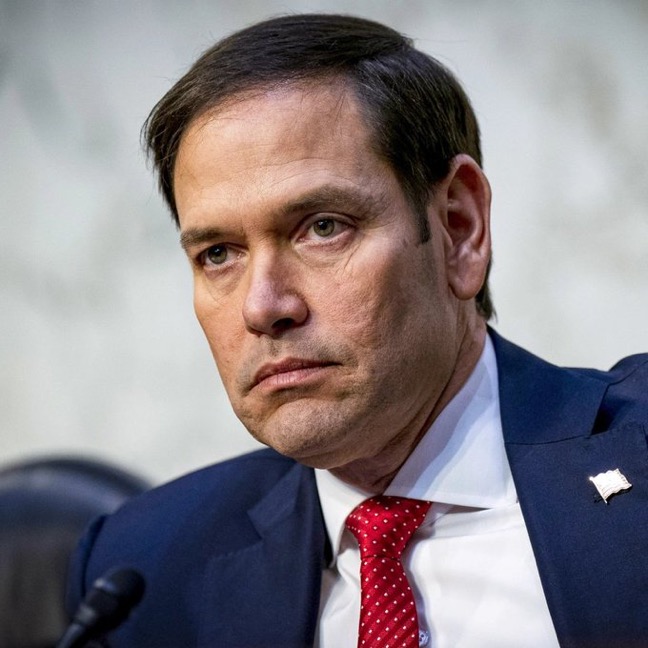

Rubio’s Clear Message: American Primacy Returns — and Brazil Under Lula Will Pay the Price
By Hotspotnews
Secretary of State Marco Rubio and the State Department have delivered an unmistakable signal: American dominance in the Western Hemisphere will never be questioned again. The formal embrace of the Donroe Doctrine — a modern assertion of U.S. primacy rooted in the Monroe Doctrine — marks a decisive break from years of neglect. No longer will the United States treat its own neighborhood as an afterthought while adversaries expand influence, cartels operate with impunity, and strategic resources slip toward rival powers.
This is not rhetoric. It is policy. The new strategic framework prioritizes economic and security primacy across the Americas: countering Chinese and Russian inroads, near-shoring critical industries, dismantling transnational criminal networks, and rewarding partners who share basic interests in stability and prosperity. Countries that align stand to gain preferential trade, investment, and security cooperation. Those that resist face leverage.
Brazil under President Luiz Inácio Lula da Silva has chosen resistance. Lula’s government has pursued multipolarity, deepened ties with China and the BRICS bloc, criticized U.S. actions in the region, and treated closer alignment with Washington as a threat to sovereignty. The results are already visible: tariffs on Brazilian goods, designation of major domestic criminal organizations as terrorist groups, reciprocal diplomatic friction including visa disputes, and open political tension timed against Brazil’s October election.
These are not abstract disputes. They carry concrete costs for ordinary Brazilians.
Trade pressure raises uncertainty for exporters in agriculture, manufacturing, and other sectors that employ millions. Higher barriers or prolonged disputes mean lost markets, tighter margins, and pressure on jobs and incomes. Security designations complicate financial flows and cooperation against the powerful gangs that fuel violence in Brazilian cities. Diplomatic energy spent managing crises with the United States is energy not spent on practical problem-solving.
Lula’s reelection would lock in this trajectory. Another term under the current approach would prolong managed confrontation rather than open the door to deeper partnership. Brazilians would continue living with the consequences of a government that prioritizes ideological distance from the United States over the tangible benefits of cooperation: more reliable access to the world’s largest market, joint efforts against organized crime that actually improves street-level security, and investment in critical minerals and infrastructure that could raise living standards.
Alignment does not require surrendering sovereignty. It requires realism. The United States is the dominant power in the hemisphere and the primary destination for Brazilian exports and capital. Pretending otherwise has already produced friction that ordinary citizens absorb through higher costs and missed opportunities. A government that doubles down on multipolar adventurism and public confrontation with Washington will keep Brazilians paying that price — in economic volatility, weaker security outcomes, and slower progress on the practical issues that determine daily life.
Rubio’s message is straightforward. The United States will protect its interests in its own hemisphere. Brazil can choose partnership that delivers results or continued resistance that delivers costs. Reelecting Lula would choose the latter path, and Brazilians would live with the consequences.