

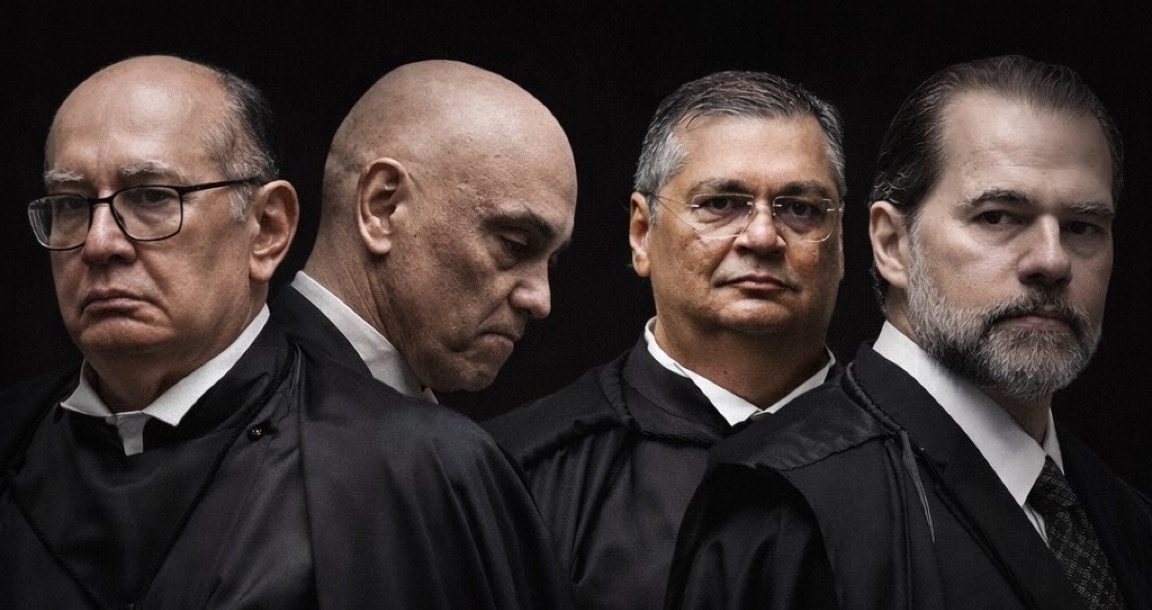

The House Is Crumbling: A Turning Point in Brazil’s Fight Against Corruption
By Hotspotnews
In the swirling storm of Brazilian politics, where scandals have long seemed impervious to justice, a seismic shift is underway. The phrase “a casa está caindo” – the house is coming down – echoes across social media and whispered conversations, capturing a collective sentiment that the walls of impunity are finally cracking.
As a conservative voice committed to truth, accountability, and the restoration of institutional integrity, I assert with confidence: this is not mere hype. It marks the beginning of the end for a system riddled with corruption, cronyism, and elite protectionism. For those weary of endless cycles of fraud and favoritism, there is real hope on the horizon – a hope grounded in unfolding facts, not fleeting optimism.
Consider the epicenter: the Operação Master investigation, exposing an alleged R$12 billion fraud scheme at Banco Master. This isn’t some peripheral scandal; it strikes at the heart of financial institutions, implicating bankers like Daniel Vorcaro, former BRB president Paulo Roberto Chies, and even a Banco Central director. Recent decisions by STF Minister Dias Toffoli to lift secrecy on video depositions are no accident. Under mounting public pressure and institutional scrutiny, these moves reveal conflicting testimonies about high-risk loan portfolios – loans that smell of insider deals and political favoritism. Evangelical leaders and politicians, such as Sóstenes Cavalcante, find themselves entangled, with arrests and confrontations peeling back layers of complicity. This is the domino effect we’ve waited for: one revelation begets another, exposing networks that have thrived in the shadows.
But why now? The answer lies in a confluence of forces. Public outrage, amplified by platforms like X, has reached a tipping point. Health rumors surrounding President Lula, coupled with persistent probes into his inner circle, weaken the facade of untouchability. The STF, long criticized for selective justice, faces backlash from all sides – even within its ranks. Alexandre de Moraes and others in the judiciary are under the microscope, with accusations of overreach and bias fueling demands for transparency. This isn’t chaos; it’s accountability in motion. Conservative principles of limited government and rule of law are reasserting themselves, as citizens and opposition figures refuse to let another scandal fade into oblivion.
What could happen next? Picture this conservative vision of renewal: more high-profile arrests, as federal police operations expand to uncover deeper ties between financial elites and political powerbrokers. We could see resignations or impeachments in key positions, dismantling the Centrão’s grip on Congress and paving the way for reforms that prioritize fiscal responsibility over favoritism. Imagine a judiciary reformed, with term limits and ethical oversight restoring public trust. In the broader arena, this could energize conservative movements, leading to electoral shifts that favor leaders committed to free markets, family values, and anti-corruption agendas. The “house” – that bloated structure of graft – collapses, making room for a Brazil where honest enterprise thrives, and the rule of law applies equally to all.
This isn’t wishful thinking; it’s a logical progression from current events. The leaks, the lifts on secrecy, the public skepticism – they signal an irreversible momentum. For Brazilians tired of billion-dollar thefts and judicial gamesmanship, take heart: the end of this era is beginning. A stronger, more just nation awaits on the other side. Stay vigilant, for the house is indeed coming down.